


A German court has refused to allow a family to shed their “foreign-sounding” names for new German ones they said would protect them from discrimination and aid integration into a country becoming attractive for immigrants.
The family, living in Germany under asylum after fleeing Azerbaijan, were given the opportunity to take on German versions of their names, some of which carry Islamic associations, the administrative court in Goettingen, in the state of Lower Saxony, said in a document.
But the family refused this offer, wanting instead to pick completely new German names with the goal of preventing any discrimination in finding work that could arise from an overly complicated spelling or connection to Islam.

Photo: EPA
照片:歐新社
“The fact that a surname is of foreign origin, or does not sound German, cannot alone be routinely presented as an important reason for a change of name,” the court ruled.
(Reuters)
一個德國法庭拒絕允許一家人擺脫掉他們的「聽起來像外國人」的名字,另取保護他們免受歧視,以及有助於整合到這個愈來愈受移民歡迎的國家的新德文名字。
下薩克森邦哥廷根的行政法庭在一份文件中指出,這個逃離亞塞拜然以庇護身分住在德國的家庭,被給予取一個他們的名字(部分與伊斯蘭有關)的德文版本的機會。
但這家人拒絕此一提議,要求取全新的德文名字,目的在於避免在找工作時,因為太過複雜的拼寫或與伊斯蘭有關而受到歧視。
法庭如此裁示,「光是姓氏源自外國或念起來不像德文此一事實,不足以成為改變姓名的重要理由。」
(路透/翻譯:張沛元)
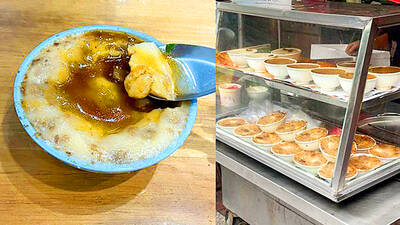
Rice is an essential ingredient in Taiwanese cuisine. Many foods are made of rice, adding more variety to our cooking, such as rice cake, or “gui.” Wagui is made by steaming rice flour batter in a bowl. The term “gui” refers to a type of food made from rice, while “wa” refers to a bowl. The pronunciation of “gui” in Taiwanese Hokkien is similar to the word for “nobility” in Chinese, so it is common for people to prepare various types of gui, including wagui, as offerings to the gods or ancestors,. 米是台灣重要的主食,用米製成的食品十分多元,豐富我們的飲食,如米做成的「粿」。粿的意思是米做成的糕點,碗粿是將在來米漿倒入碗中蒸熟,因而得名。粿因為音同「貴」,因此碗粿等粿食常用作供品祭拜神明和祖先。 nobility (n.) 高貴,高尚;貴族 offering (n.) 供品 While Taiwan may not be
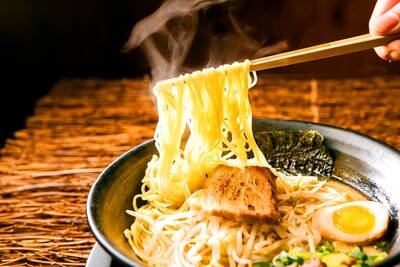
It’s no secret that Japanese people have a deep affection for noodles. Like in the rest of East Asia, noodles are an important staple food, second only to rice. Japanese people have enjoyed noodles for over 1,000 years. The first noodles came from China and were introduced around 800 CE. As time passed, noodles in Japan not only became widespread but also developed some unique Japanese characteristics. The three most popular types of noodles in Japan are ramen, soba, and udon. Ramen, typically made from wheat flour, is usually thin and firm. The dough is kneaded and left to

On Tuesday last week, the flame for this summer’s Paris Olympics was lit at the birthplace of the ancient Olympic Games in southern Greece in a meticulously choreographed ceremony. It will then be carried through Greece for more than 5,000km before being handed over to French organizers at the Athens venue used for the first modern Olympics in 1896. The pageantry at Olympia has been an essential part of every Olympics for nearly 90 years since the Games in Berlin. It’s meant to provide an ineluctable link between the modern event and the ancient Greek original on which it was initially modelled. Once

Drive-through (or drive-thru) restaurants provide people with the immense convenience of being able to purchase and pick up meals without needing to leave their vehicles. These restaurants have been around for decades, and their success has spawned a number of equally handy services. The drive-through concept originated with the drive-in restaurant, the first of which was established in the US in 1921. Patrons would order and eat the food that was delivered to their cars by workers called “carhops.” Ten years later, a drive-through service was introduced, but it was not until 1947 that the first exclusively drive-through restaurant opened its


 RSS
RSS