


If you’ve ever rubbed a balloon against a carpet then put it next to your hair, you will have noticed that your hair is attracted to the balloon. Similarly, when you take socks out of the dryer, sometimes they stick together. What these examples both have in common is that they are caused by static electricity. Static electricity is a result of objects rubbing against each other to create positive and negative electrical charges.
(JOHN PHILLIPS, STAFF WRITER)
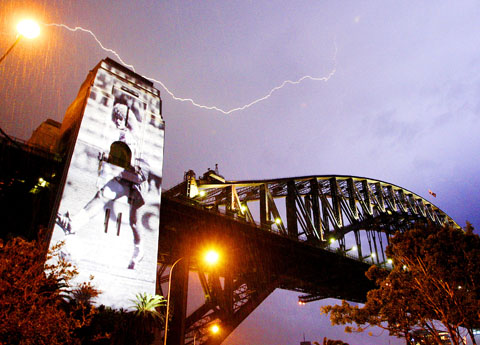
PHOTO: AP
假如你曾經把一顆氣球放在地毯上摩擦,然後再把它放到你的頭髮上,你會發現你的頭髮被這顆氣球吸了起來。同樣的道理,當你從烘衣機裡把襪子拿出來時,它們有時候也會被吸在一起。這兩個例子的共通點就是,它們都是因靜電所引起的。靜電是物體相互摩擦,產生正電荷和負電荷的結果。
(翻譯:袁星塵)
In today’s experiment you are going to build an electroscope to measure the static electricity of various household objects.
What you will need: A straw, glue, an aluminum pie dish, adhesive tape, a polystyrene cup, string, aluminum foil, a balloon, a pencil, a ruler and several different items to test (you can choose anything that’s available).
今天的實驗中,你會自己做一個驗電器,來測量看看不同的家用品各會產生多少靜電。
實驗所需:一根吸管、膠水、錫箔烤盤、膠帶、一個塑膠杯、線、錫箔紙、一個氣球、一枝鉛筆、一把尺和其他一些可以拿來測量的不同物品(什麼都可以拿來測試)。
INSTRUCTIONS 步驟說明
Step1: Using a sharp pencil, make two holes at opposite sides of the cup, near the base.
Step 2: Push the straw through the holes. Push it through as far as it will go, so that just a centimeter is poking out from one hole, and the rest of the straw is coming out the other hole.
Step 3: Cut a piece of string and thread it through the straw. It should hang down by about four of five centimeters. Tie a few knots in the string.
Step 4: Glue the rim of the cup to the pie dish.
Step 5: Roll up a small ball of aluminum foil and stick it to the end of the string. The ball should be hanging right next to the edge of the dish.
步驟一:用一枝削尖的鉛筆,在塑膠杯靠近底部的兩邊各戳一個洞。
步驟二:把吸管穿過這兩個洞,盡可能地把它往外推,保留其中一端露出洞外一公分左右,其餘的部份從另一個洞口穿出。
步驟三:剪一段細繩,將其穿過這根吸管,留約四到五公分自然垂在吸管外,然後在繩子上打幾個結。
步驟四:把這個杯子開口的邊緣黏在錫箔烤盤上。
步驟五:把錫箔紙揉成一小團,然後把它黏在細繩的一端。這顆錫箔紙小球懸掛的位置必須要正好在錫箔烤盤的邊緣外端。
TEST THE ELECTROSCOPE 測試驗電器
To make sure it works, you’re going to test the electroscope with an object with a lot of static electricity.
Step 1: Inflate the balloon and rub it for about thirty seconds on a carpet. This will charge it with electrons.
Step 2: Pick up your electroscope by the cup. If you touch the pie dish the test won’t work. Now put the electroscope on to the top of the balloon.
Step 3: If the aluminum foil ball is repelled away from the dish, the electroscope works. Measure how far the aluminum ball moves from the edge of the dish. If it doesn’t move, go back over the instructions and make sure you followed them correctly.
為了確保它能正常運作,你要用一個會產生很多靜電的東西來測試。
步驟一:將氣球充氣後,在地毯上摩擦約三十秒。這樣會讓氣球產生電子。
步驟二:手握杯子拿起你的驗電器,然後把它放在氣球上;如果你碰到錫箔烤盤,它就會失效了。
步驟三:如果這顆鋁箔球和錫箔烤盤彼此排斥,就表示你的驗電器成功了。測量錫箔球距離錫箔盤間的距離是多少。如果它沒有動,再回去看一次上述的步驟,看看你是不是有哪裡做錯了。
CONDUCT THE TESTS 進行實驗
Take the household objects you have chosen as test subjects, and one by one put the electroscope on top of them. Measure the movement of the ball each time. By the time you finish testing, you will know which objects have the highest electrical charge.
把你準備好的日常生活用品拿來進行實驗,每次把驗電器放到其中一個物體上,分別測量每個物體實驗下錫箔球與盤子的距離。等你結束實驗後,你就會知道哪些東西會產生最多電荷了。
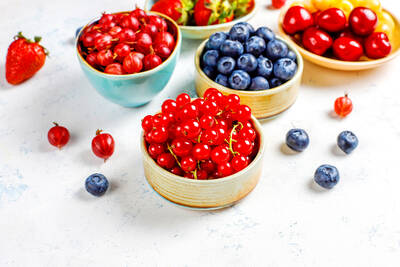
Many of us face common health challenges: tired eyes from long screen use, the search for anti-aging support and the need for weight control without resorting to restrictive diets. While no single food is a miracle cure, berries offer targeted, evidence-based nutritional support that’s easy and delicious to add to your daily routine. For overall immunity and healthy skin, vitamin C is essential. Strawberries provide roughly 10 percent more vitamin C than oranges, while blackcurrants deliver three to four times as much. These tasty fruits also contain abundant polyphenols, which help the body manage oxidative stress, support overall
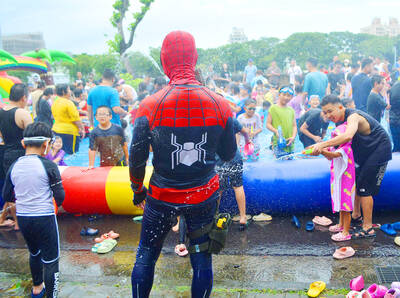
A: Why didn’t you come to work earlier this week? Did you go anywhere for fun? B: I went to Thailand with friends to celebrate the 2026 Water Festival, also known as the Songkran Festival. The three-day annual celebrations ran from April 13 to 15. Everyone was having water fights in the streets. A: I know that “Songkran” is the traditional New Year in Southeast Asia, usually celebrated in mid-April. B: And we also attended the 2026 Siam Songkran Music Festival this time. The EDM shows by Martin Garrix — who has been crowned the World’s No. 1 DJ by “DJ
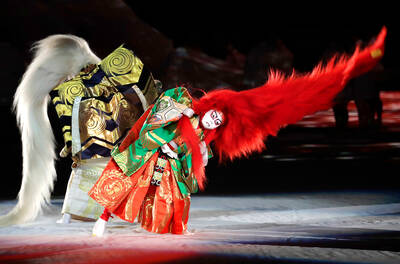
Handing down a name over generations is a central part of the Japanese traditional theater art of Kabuki, and that ceremony gets celebrated at theaters and special events every few years. Now, the ritual is taking place with the eighth Kikugoro, who is having that honor passed down from his 83-year-old father, the seventh Kikugoro, who in turn got that name from his father. “Taking on the name is about taking on the spirit and responsibility that’s created and getting passed down over generations by those who came before us,” the younger Kikugoro, Kazuyasu Terajima, told reporters recently. Another famous family name in

A: Apart from the Thai Water Festival, Taiwan’s three major Matsu pilgrimages are among Asia’s largest annual folk activities. B: This year, “Baisha-ma” of the Baishatun Gongtian Temple in Miaoli County was the first to kick off her pilgrimage, with the deity departing on April 12 and returning on the 20. A: Then “Dajia-ma” of the Dajia Jenn Lann Temple in Taichung will set off next, departing tonight before midnight and returning on April 26. B: And what about “Beigang-ma” of Yunlin County’s Beigang Chao-tian Temple? When will she launch her procession? A: Typically, “Beigang-ma” begins her procession on the eve of her lunar


 RSS
RSS