


Suriname may be the smallest country in South America, but it has a diversity of cultures and languages disproportionate to its size. The less than half-million people who live there represent immigrants from all over the world. Take a look below to see how they all got there, and how they have shaped the Suriname of today.
蘇利南或許是南美洲最小的國家,但它擁有多元的文化語言,可別小看這個國家。蘇利南全國將近五十萬的人口,代表著來自世界各地的移民。讓我們來一窺蘇利南人的移民史,看他們如何造就了今日的蘇利南。
A closer look 說古論今
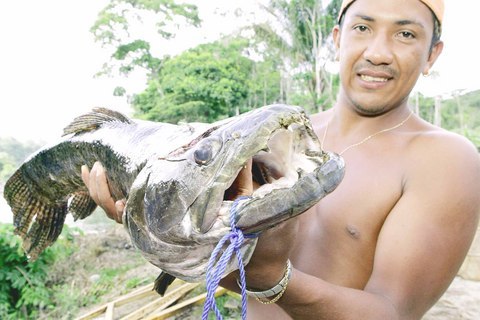
PHOTO: AFP
Suriname was inhabited around 3000BC with tribes living along the coast and in the rain forests as well. Europeans arrived in the 16th century, and control of the country flip-flopped between the Dutch and British for the next couple centuries. At one point, the British gave the Dutch the area of Suriname in exchange for the state of New York, which had been controlled by the Dutch.
The Dutch brought slaves from Africa to build their colonies for them. However, when they abolished slavery in 1863, they had to start bringing workers from other parts of the world. Many of these workers were Chinese, Indians and Indonesians, and their descendants today make up a large part of Suriname's current population. Suriname still has close relations with the Netherlands, and Surinamers make up about 2 percent of the population of the Netherlands today.
Suriname's cultural diversity is matched only by its ecological diversity. More than 80 percent of the country is covered in tropical rainforests, which are home to all kinds of rare animals. Suriname has the largest protected area of rain forest in the world. The rain forests are also protected by the fact that 90 percent of Suriname's population live on the narrow northern coast instead of in the forests.
Instead of mixing into one big culture, the different ethnic groups of Suriname have kept themselves separate and maintained their own traditions. As a result, it's hard to describe just what the culture of Suriname is. (Taipei Times)
西元前三千年,蘇利南是由沿海及雨林的部落民族居住的。歐洲人於十六世紀抵達後,蘇利南的控管權就在荷蘭與英國手中更迭好幾個世紀。就某方面來說,英國之所以將蘇利南地區給了荷蘭,是為了交換荷蘭當時控制的紐約州。
荷蘭人從非洲帶黑奴來替他們建造殖民地。不過荷蘭在一八六三年廢奴後,就開始從世界其他地方引進勞工。許多勞工是中國人、印第安人與印尼人,他們的後裔也佔了蘇利南現今人口的一大部分。蘇利南現今仍與荷蘭關係密切,荷蘭有2% 的人口來自蘇利南。
蘇利南文化的多元性可媲美其生態多樣性。這個國家逾八成的國土是熱帶雨林,居住著各種珍稀動物。蘇利南擁有全世界最大的熱帶雨林保護區。蘇利南有九成人口居住在峽長的北海岸而非雨林,這也是熱帶雨林得以保全的原因。
蘇利南各種族並未融合成龐大的單一文化,而是各自保持分離,維護自己的傳統文化。所以,很難將蘇利南的文化歸類描述。
(翻譯:賴美君)
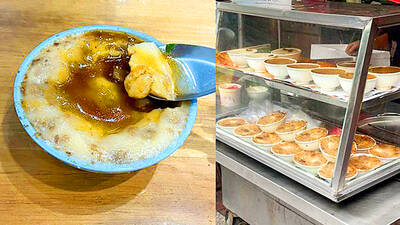
Rice is an essential ingredient in Taiwanese cuisine. Many foods are made of rice, adding more variety to our cooking, such as rice cake, or “gui.” Wagui is made by steaming rice flour batter in a bowl. The term “gui” refers to a type of food made from rice, while “wa” refers to a bowl. The pronunciation of “gui” in Taiwanese Hokkien is similar to the word for “nobility” in Chinese, so it is common for people to prepare various types of gui, including wagui, as offerings to the gods or ancestors,. 米是台灣重要的主食,用米製成的食品十分多元,豐富我們的飲食,如米做成的「粿」。粿的意思是米做成的糕點,碗粿是將在來米漿倒入碗中蒸熟,因而得名。粿因為音同「貴」,因此碗粿等粿食常用作供品祭拜神明和祖先。 nobility (n.) 高貴,高尚;貴族 offering (n.) 供品 While Taiwan may not be
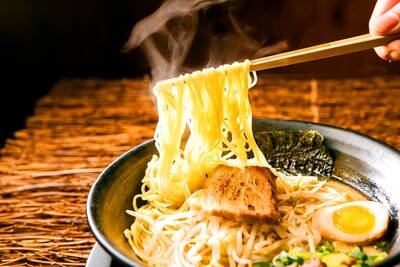
It’s no secret that Japanese people have a deep affection for noodles. Like in the rest of East Asia, noodles are an important staple food, second only to rice. Japanese people have enjoyed noodles for over 1,000 years. The first noodles came from China and were introduced around 800 CE. As time passed, noodles in Japan not only became widespread but also developed some unique Japanese characteristics. The three most popular types of noodles in Japan are ramen, soba, and udon. Ramen, typically made from wheat flour, is usually thin and firm. The dough is kneaded and left to

Drive-through (or drive-thru) restaurants provide people with the immense convenience of being able to purchase and pick up meals without needing to leave their vehicles. These restaurants have been around for decades, and their success has spawned a number of equally handy services. The drive-through concept originated with the drive-in restaurant, the first of which was established in the US in 1921. Patrons would order and eat the food that was delivered to their cars by workers called “carhops.” Ten years later, a drive-through service was introduced, but it was not until 1947 that the first exclusively drive-through restaurant opened its

On Tuesday last week, the flame for this summer’s Paris Olympics was lit at the birthplace of the ancient Olympic Games in southern Greece in a meticulously choreographed ceremony. It will then be carried through Greece for more than 5,000km before being handed over to French organizers at the Athens venue used for the first modern Olympics in 1896. The pageantry at Olympia has been an essential part of every Olympics for nearly 90 years since the Games in Berlin. It’s meant to provide an ineluctable link between the modern event and the ancient Greek original on which it was initially modelled. Once


 RSS
RSS