


N estled in an alley near the intersection of Zhongxiao East and Dunhua North roads, NEU Store carries a well-edited selection of clothing seen on hipsters from the Lower East Side of Manhattan to Los Angeles. Carefully arranged racks of jackets and dresses zigzag through the spacious boutique and around tables displaying velvet Melissa wedges and retro-inspired T-shirts. In one corner is a diorama with three vintage portable Columbia GP-3 turntables surrounded by walls plastered with album covers.
A lot of the clothing sold by NEU Store is available exclusively in Taiwan at the shop. Many of the designers are inspired by different genres of music and the subcultures that spring up around them.
“We picked the name NEU, so you can imagine what kind of music we listen to,” says Yiling Cheng (鄭伊伶), the co-owner of Garden Girl Enterprises (花園娃娃服飾), the store’s parent company, which was founded in 1992 to import American street wear brands XLarge, XGirl and Paul Frank. NEU! — pronounced “noy” — was a German krautrock band formed by two former members of Kraftwerk in 1971.
Over the past few years, Cheng notes, fashion has turned over a new leaf as consumers rely more on the Internet and celebrities for style cues, instead of waiting for high fashion designers to dictate the trends for each season. Fashionistas are now inspired by street style blogs and sites like Cobrasnake and Last Night’s Party, which posted photos of the young New York City hipsters who gathered at Soho club Don Hill’s for parties thrown by the Misshapes, a trio of DJs who quickly became cult fashion icons.
Cheng and co-owner Stan Lee frequently travel to the US to keep up-to-date on new designers. Buddhist Punk’s bold, neon-heavy prints are saturated in the aesthetic of new rave, while Kill City’s skinny jeans and tees, bold, asymmetrical silhouettes and monochrome color palette take their cue from post-punk bands. On the flip side, Jovovich Hawk’s airy, lacy sundresses bring a very sweet, retro California aesthetic into the store, while Karen Zambos’ well tailored vintage-inspired coats and dresses could be imagined on a 1940’s debutante.
NEU Store is also the exclusive importer of the hyper-feminine clothing line designed by Paris and Nicky Hilton, and Dim Mak, the line of tees and hoodies from the record label founded by celebrity DJ Steve Aoki aka Kid Millionaire.
Scenesters on a budget can pick up Junk Food T-shirts with rainbows or Smurfs, a popular 1980s cartoon, printed on the front for NT$1,550 each, or a pair of luscious velveteen burgundy Melissa wedges for NT$3,980. An elegant, black wool trench coat from Karen Zambos runs for NT$18,000, while a short dress by Buddhist Punk, with gathered tiers of raw-edged zebra-print silk is NT$13,400. A limited edition gray jacket from the Warhol Factory X Levi’s series with a skull applique on the back is $29,500.
NEU Store also doubles as a gallery space. On Saturday, it will host RockersNYC, an exhibition of poster art from the New York based designer whose graphic tees have developed a cult following from the Lower East Side to Tokyo, from 7pm to 11:30pm. For other events, check out the store’s blog at neu-store.blogspot.com.

Growing up in a rural, religious community in western Canada, Kyle McCarthy loved hockey, but once he came out at 19, he quit, convinced being openly gay and an active player was untenable. So the 32-year-old says he is “very surprised” by the runaway success of Heated Rivalry, a Canadian-made series about the romance between two closeted gay players in a sport that has historically made gay men feel unwelcome. Ben Baby, the 43-year-old commissioner of the Toronto Gay Hockey Association (TGHA), calls the success of the show — which has catapulted its young lead actors to stardom -- “shocking,” and says

The 2018 nine-in-one local elections were a wild ride that no one saw coming. Entering that year, the Chinese Nationalist Party (KMT) was demoralized and in disarray — and fearing an existential crisis. By the end of the year, the party was riding high and swept most of the country in a landslide, including toppling the Democratic Progressive Party (DPP) in their Kaohsiung stronghold. Could something like that happen again on the DPP side in this year’s nine-in-one elections? The short answer is not exactly; the conditions were very specific. However, it does illustrate how swiftly every assumption early in an
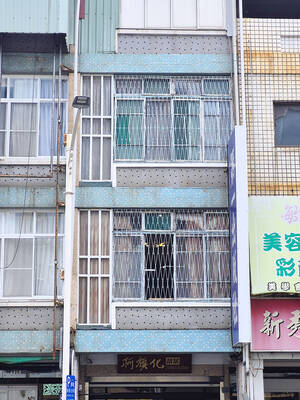
Inside an ordinary-looking townhouse on a narrow road in central Kaohsiung, Tsai A-li (蔡阿李) raised her three children alone for 15 years. As far as the children knew, their father was away working in the US. They were kept in the dark for as long as possible by their mother, for the truth was perhaps too sad and unjust for their young minds to bear. The family home of White Terror victim Ko Chi-hua (柯旗化) is now open to the public. Admission is free and it is just a short walk from the Kaohsiung train station. Walk two blocks south along Jhongshan
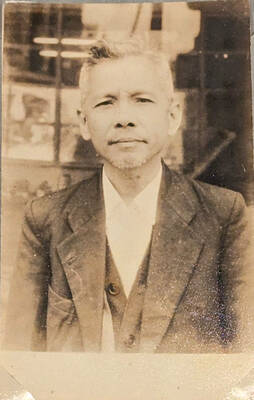
Jan. 19 to Jan. 25 In 1933, an all-star team of musicians and lyricists began shaping a new sound. The person who brought them together was Chen Chun-yu (陳君玉), head of Columbia Records’ arts department. Tasked with creating Taiwanese “pop music,” they released hit after hit that year, with Chen contributing lyrics to several of the songs himself. Many figures from that group, including composer Teng Yu-hsien (鄧雨賢), vocalist Chun-chun (純純, Sun-sun in Taiwanese) and lyricist Lee Lin-chiu (李臨秋) remain well-known today, particularly for the famous classic Longing for the Spring Breeze (望春風). Chen, however, is not a name


 RSS
RSS