


A Taiwanese company has been fined US$9,000 for dumping wastewater in a Vietnamese canal, a Vietnamese official said yesterday, just months after another firm from Taiwan was blamed for mass fish deaths in Vietnam.
Public anger has mounted against foreign companies accused of polluting Vietnam since April, when tonnes of dead fish washed up off the central coast in the country’s worst ecological disaster in decades.
That incident was blamed on Taiwanese steel firm Formosa Ha Tinh Steel Corp (台塑河靜鋼鐵興業), which was slapped with a US$500 million fine for discharging toxic waste into the ocean.
In the latest case, authorities have accused Taiwanese screw manufacturer Header Plan (祺諾) of allowing contaminated water to run off into the Moi canal in southern Vietnam’s Dong Nai Province.
State media said residents have complained of increasing pollution in the canal since the plant opened in 2002.
The company has been ordered to clean up the waterway and was fined more than US$9,000, an official said yesterday.
“Header Plan must pay the fine according to an order from the Dong Nai People’s Committee,” said an official from the provincial environmental department, speaking on condition of anonymity. “We investigated the company’s violation based on local residents’ claims.”
The official did not say when the wastewater was discharged.
In June, Formosa Ha Tinh agreed to pay the heavy fine for discharging contaminated waste, which crippled livelihoods in the central coastal area where fishing is the main source of income.
Demonstrators held rare protests in the authoritarian country after the fish began washing up along shores near a Formosa Ha Tinh construction site.
Protesters blamed officials for dragging their feet on investigations into the scandal, and many of the rallies were violently broken up, with scores jailed.
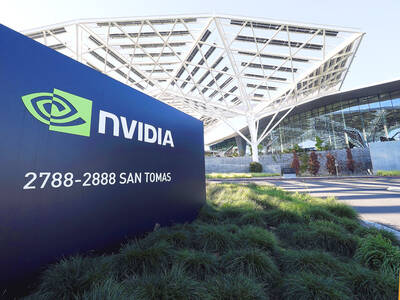
CHIP RACE: Three years of overbroad export controls drove foreign competitors to pursue their own AI chips, and ‘cost US taxpayers billions of dollars,’ Nvidia said China has figured out the US strategy for allowing it to buy Nvidia Corp’s H200s and is rejecting the artificial intelligence (AI) chip in favor of domestically developed semiconductors, White House AI adviser David Sacks said, citing news reports. US President Donald Trump on Monday said that he would allow shipments of Nvidia’s H200 chips to China, part of an administration effort backed by Sacks to challenge Chinese tech champions such as Huawei Technologies Co (華為) by bringing US competition to their home market. On Friday, Sacks signaled that he was uncertain about whether that approach would work. “They’re rejecting our chips,” Sacks

NATIONAL SECURITY: Intel’s testing of ACM tools despite US government control ‘highlights egregious gaps in US technology protection policies,’ a former official said Chipmaker Intel Corp has tested chipmaking tools this year from a toolmaker with deep roots in China and two overseas units that were targeted by US sanctions, according to two sources with direct knowledge of the matter. Intel, which fended off calls for its CEO’s resignation from US President Donald Trump in August over his alleged ties to China, got the tools from ACM Research Inc, a Fremont, California-based producer of chipmaking equipment. Two of ACM’s units, based in Shanghai and South Korea, were among a number of firms barred last year from receiving US technology over claims they have
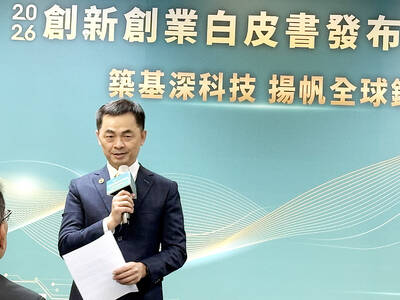
BARRIERS: Gudeng’s chairman said it was unlikely that the US could replicate Taiwan’s science parks in Arizona, given its strict immigration policies and cultural differences Gudeng Precision Industrial Co (家登), which supplies wafer pods to the world’s major semiconductor firms, yesterday said it is in no rush to set up production in the US due to high costs. The company supplies its customers through a warehouse in Arizona jointly operated by TSS Holdings Ltd (德鑫控股), a joint holding of Gudeng and 17 Taiwanese firms in the semiconductor supply chain, including specialty plastic compounds producer Nytex Composites Co (耐特) and automated material handling system supplier Symtek Automation Asia Co (迅得). While the company has long been exploring the feasibility of setting up production in the US to address

OPTION: Uber said it could provide higher pay for batch trips, if incentives for batching is not removed entirely, as the latter would force it to pass on the costs to consumers Uber Technologies Inc yesterday warned that proposed restrictions on batching orders and minimum wages could prompt a NT$20 delivery fee increase in Taiwan, as lower efficiency would drive up costs. Uber CEO Dara Khosrowshahi made the remarks yesterday during his visit to Taiwan. He is on a multileg trip to the region, which includes stops in South Korea and Japan. His visit coincided the release last month of the Ministry of Labor’s draft bill on the delivery sector, which aims to safeguard delivery workers’ rights and improve their welfare. The ministry set the minimum pay for local food delivery drivers at


 RSS
RSS