


After a slump in foreign visitors triggered by a deadly attack last year, a new wave of local sightseers has saved tourism in Pakistan’s idyllic northern Hunza Valley.
Though there are no official figures, hotel owners say large numbers of domestic tourists are visiting, heading north to escape the sizzling heat of summer that lasts well into October.
In the valley’s main town of Karimabad, they snap pictures at the ancient Baltit Fort, a first-century redoubt from where they can take in breathtaking views of lush forests and snow-capped peaks.
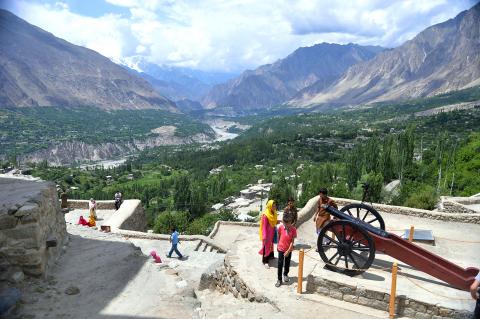
Photo: AFP
Foreign tourism once helped support the Gilgit-Baltistan region, but it has slowed to a trickle after the killing of 10 foreign climbers at the base camp of Nanga Parbat mountain last year.
In their place have come visitors from Punjab and Karachi, thanks mainly to a well-publicized television campaign. Though their business is welcome and vital, cultural differences also highlight the growing gap between the religiously conservative south and traditionally secular north, observers say.
Some complain the local guests can be disrespectful toward the liberal traditions that have long set the area apart from the rest of the country, and are prone to spoiling the region’s natural beauty by littering.
International tourism took a hit after Pakistan joined the US in its war on terror after Sept. 11, 2001.
Sherbaz Kaleem, manager of the ancient Baltit Fort, said that during peak season before 2001, “we used to receive almost 200, 300 international community tourists” daily.
The numbers were reduced to a trickle, but began to pick up once again later that decade.
The slow recovery came to a screeching halt in June last year, when attackers shot dead 10 foreign tourists at the base camp of the Nanga Parbat.
Kaleem said many people canceled visits to Hunza, while tourists at Baltit Fort numbered two to three every day.
“Even then they were afraid and many people told them that they should go back,” Kaleem said.
Locals say the industry is now reorienting itself to focus on the local market.
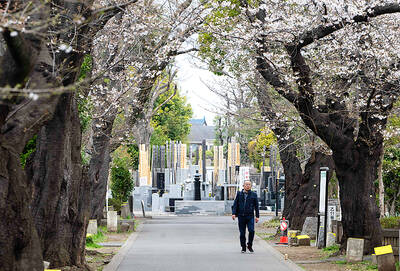
ROCKY RELATIONS: The figures on residents come as Chinese tourist numbers drop following Beijing’s warnings to avoid traveling to Japan The number of Chinese residents in Japan has continued to rise, even as ties between the two countries have become increasingly fractious, data released on Friday showed. As of the end of December last year, the number of Chinese residents had increased by 6.5 percent from the previous year to 930,428. Chinese people accounted for 22.6 percent of all foreign residents in Japan, making them by far the largest group, Japanese Ministry of Justice data showed. Beijing has criticized Tokyo in increasingly strident terms since Japanese Prime Minister Sanae Takaichi last year suggested that a military conflict around Taiwan could

Germany is considering Australia’s Ghost Bat robot fighter as it looks to select a combat drone to modernize its air force, German Minister of Defense Boris Pistorius said yesterday. Germany has said it wants to field hundreds of uncrewed fighter jets by 2029, and would make a decision soon as it considers a range of German, European and US projects developing so-called “collaborative combat aircraft.” Australia has said it will integrate the Ghost Bat, jointly developed by Boeing Australia and the Royal Australian Air Force, into its military after a successful weapons test last year. After inspecting the Ghost Bat in Queensland yesterday,
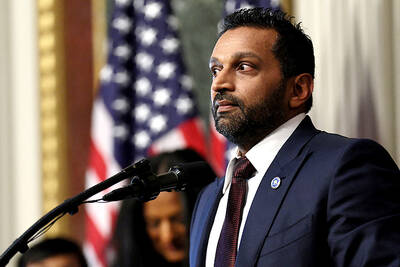
A pro-Iran hacking group claimed to breach FBI Director Kash Patel’s personal e-mail inbox and posted some of the contents online. The e-mails provided by the hacking group include travel details, correspondence with leasing agents in Washington and global entry, and loyalty account numbers. The e-mail address the hackers claim to have compromised has been previously tied to Patel’s personal details, and the leaked e-mails contain photos of Patel and others, in addition to correspondence with family members and colleagues. “The FBI is aware of malicious actors targeting Director Patel’s personal email information,” the agency said in a statement on
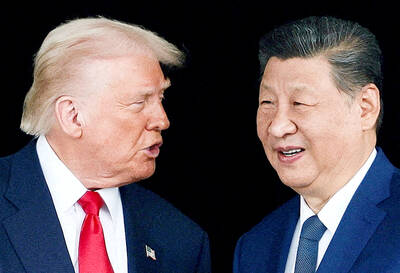
RIVALRY: ‘We know that these are merely symbolic investigations initiated by China, which is in fact the world’s most profligate disrupter of supply chains,’ a US official said China has started a pair of investigations into US trade practices, retaliating against similar probes by US President Donald Trump’s administration as the superpowers stake out positions before an expected presidential summit in May. The move, announced by the Chinese Ministry of Commerce on Friday, is a direct mirror of steps Trump took to revive his tariff agenda after the US Supreme Court last month struck down some of his duties. “China expresses its strong dissatisfaction and firm opposition to these actions,” a ministry spokesperson said in a statement, referring to the so-called Section 301 investigations initiated on March 11.


 RSS
RSS