


South Africa, which has one of the highest rates of HIV in the world, has no AIDS prevention plan in place for the 450,000 foreign soccer supporters it hopes will travel to the country one year from now for the World Cup.
With 33 percent of women aged 25 to 29 thought to carry the virus, epidemiologists estimate that AIDS-related illnesses will kill 300,000 South Africans in the same year that foreign fans will travel to the nine host cities to enjoy soccer and cheap alcohol.
The South African Law Commission is studying proposals to legalize sex work as experts warn of an influx of women trafficked for prostitution ahead of the World Cup, but it will be at least three months before it releases its findings.
A meeting of stakeholders was also called last week by the South African National AIDS Commission to discuss health-related preparations for the World Cup.
Local World Cup organizing committee spokesman Rich Mkhondo referred questions about arrangements for visiting supporters to the Department of Health.
“Our brief is limited to stadiums, timetables and technology. But beyond hygiene issues in stadiums, such as what to do with litter, we are not responsible for health issues,” he said.
Jonathan Berger of the AIDS Law Project said the lack of preparation was “of concern” with the tournament kick-off scheduled for June 9 next year.
More than US$1.2 billion has been spent on state-of-the-art stadiums and infrastructure projects since South Africa won its World Cup bid in 2004. Yet the country’s HIV and AIDS prevention and treatment programs remain a shambles, amid overspending by the Department of Health, a shortage of drugs and an exodus of underpaid health professionals.
Jackie Selebi, the South African National Police Commissioner who is currently suspended after charges of corruption, suggested recently that sex work and public drinking should be legalized during the World Cup.
“This way of thinking suggests he only has the pleasure of football fans in mind, not the need to protect the rights and livelihoods of sex workers,” said a researcher for Consultancy Africa Intelligence.
Female campaigners have called for southern African regional measures to limit the trafficking of women into South Africa ahead of the World Cup.
South Africa has no laws prohibiting human trafficking.
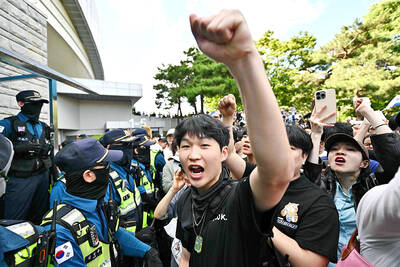
‘ABSURD MISTAKE’: The election commission said that there had been a failure to anticipate turnout after 14 polling stations ran short of ballot papers South Korean riot police yesterday cleared protesters from a Seoul polling station after a 35-hour blockade sparked by a shortage of ballot papers during local elections earlier this week. Wednesday’s election was the first nationwide vote since South Korean President Lee Jae-myung took office following the ouster of Yoon Suk-yeol over his short-lived martial law declaration. Lee’s ruling Democratic Party swept most races, but failed to flip the crucial Seoul mayoral seat. The South Korean National Election Commission apologized, blaming a failure to anticipate turnout after 14 polling stations in Seoul ran short of ballot papers. Some polling stations stayed open until 10pm to

France experienced its hottest spring on record, the French weather service said on Tuesday, after an exceptional early heat wave that also broke highs for the season in England and Wales. Meteo-France said the average nationwide temperature over March to May was 13.8°C — about 1.7°C above the norm, and surpassing records set in 2011 and 2020. “The warmest spring since records began in 1900,” it said in a bulletin. All three months were warmer than average, but the onset of an “unprecedented heatwave” late last month pushed the mercury to highs typically seen at the height of the summer. “Our country had never
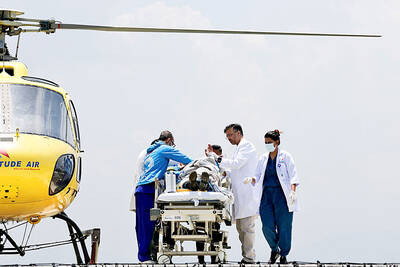
A Sherpa guide was found crawling to base camp on Mount Everest a week after he went missing and was reunited with his family, who had given up hope he would return. Dawa Sherpa was last seen on Friday last week descending the mountain, but he did not reach base camp even though his client did. The pair were among the last climbers on the mountain as the climbing season came to an end and the route was dismantled. Dawa was located by a cleaning crew on Thursday morning as he was crawling down the snowy slopes around the Khumbu Icefall, just above
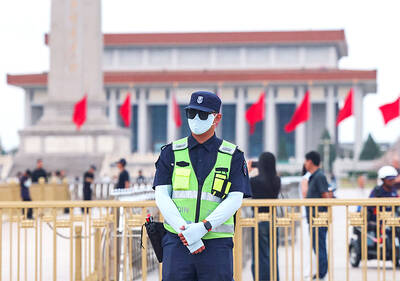
Chinese authorities are snuffing out any remembrance of the deadly 1989 military crackdown on student-led pro-democracy protests in Tiananmen Square, which happened 37 years ago yesterday, in a further tightening of a years-long campaign to erase what happened from public memory. Police told relatives of the victims they would not be allowed to visit a cemetery in Beijing on the anniversary of the crackdown, a person with knowledge of the matter said. Relatives of the victims visited the cemetery on the anniversary for more than 30 years to read memorial statements with police keeping watch, Amnesty International said. Hundreds of people,


 RSS
RSS