


The Taiwan Biodiversity Research Institute, in collaboration with National Taiwan Normal University, has developed a genomic toolkit that helps identify plant varieties with subtly different genomic characteristics.
Scientists used to identify species via DNA barcoding, a technique that works well with most animals, but poorly with plants, the institute said yesterday.
Given that plants have a slower pace of evolution than animals, different species’ gene sequences can appear alike, even if their morphological characteristics are starkly dissimilar, it said.
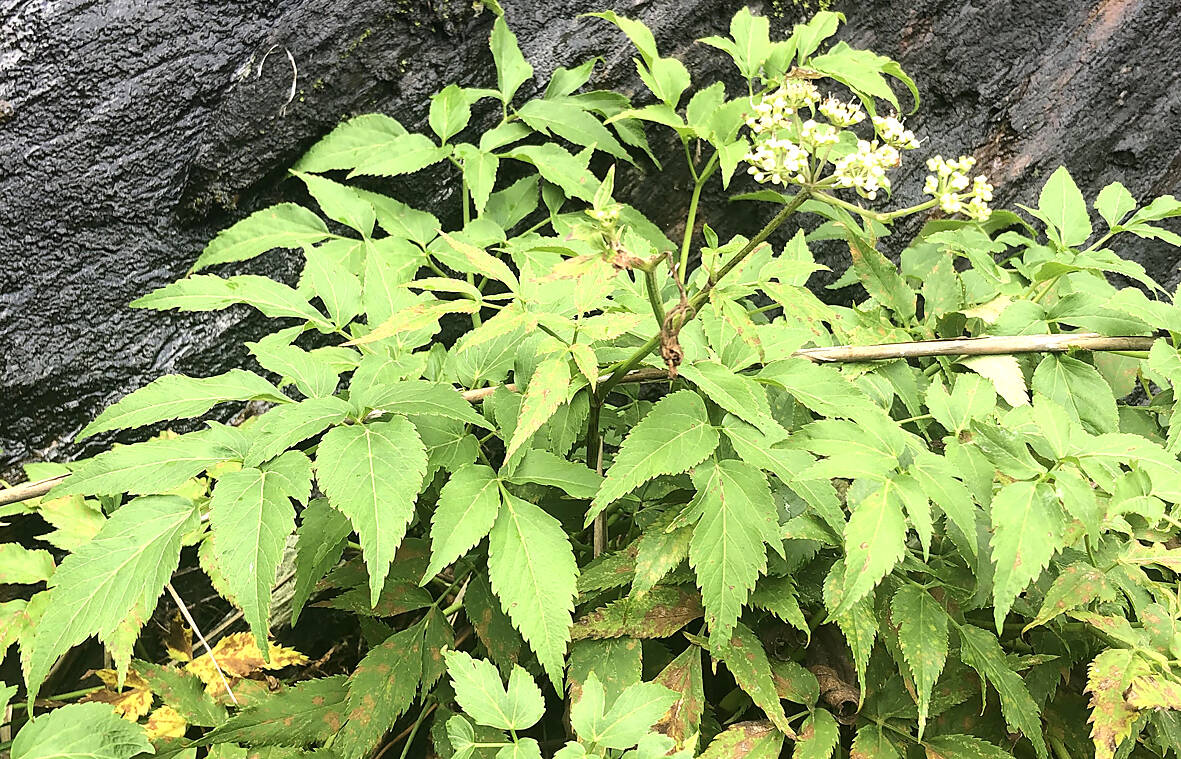
Photo courtesy of the Taiwan Biodiversity Research Institute
Traditional species identification approaches such as DNA barcoding are like using blurred photographs to differentiate one object from the other, which cannot show their real differences, the institute said.
To overcome such limitations, the institute said it integrated its past studies to produce a strategic framework for plant species identification in collaboration with the university.
The framework — which it called a “genomic toolkit” — lays out different identification techniques and their applicable contexts, the institute said.
While DNA barcoding can still be applied to identifying a plant on higher taxonomic levels such as order or family, more delicate techniques are recommended when analyzing plants with similar genomes, it said..
For example, researchers differentiated Chloris pilosa, or hairy star grass, from other plants of the grass family via molecular identification techniques, successfully preventing the invasive species that originated in Africa from proliferating in Taiwan, the institute said.
Molecular identification has also helped customs and law enforcement authorities spot contraband plants, it added.
Latest genomic data can also be incorporated to identify subtle differences in plants’ genetic structures, the institute said.
A research team combined molecular data with morphological analysis methods to examine plants of the Angelica genus nationwide and in 2024 identified a new plant species, Angelica aliensis, it said.
The distribution of Angelica aliensis is limited to mountainous areas at elevations of 800m to 1,200m in southern Taiwan, the institute said, adding that it used to be wrongly identified, as it looks similar to Angelica tarokoensis.
Species identification is not only an academic challenge, but also relevant to national biosafety and conservation, the institute said.
The genomic toolkit is a significant breakthrough, as it overcomes the limitations of DNA barcoding and advanced plant species identification to the genomic level, it said.
It is expected to help protect Taiwan’s biodiversity and benefit plant research and conservation around the world, it added.

Yangmingshan National Park authorities yesterday urged visitors to respect public spaces and obey the law after a couple was caught on a camera livestream having sex at the park’s Qingtiangang (擎天崗) earlier in the day. The Shilin Police Precinct in Taipei said it has identified a suspect and his vehicle registration number, and would summon him for questioning. The case would be handled in accordance with public indecency charges, it added. The couple entered the park at about 11pm on Thursday and began fooling around by 1am yesterday, the police said, adding that the two were unaware of the park’s all-day live

A former soldier and an active-duty army officer were yesterday indicted for allegedly selling classified military training materials to a Chinese intelligence operative for a total of NT$79,440. The Taipei District Prosecutors’ Office indicted Chen Tai-yin (陳泰尹) and Lee Chun-ta (李俊達) for contravening the National Security Act (國家安全法) and the Anti-Corruption Act (貪污治罪條例). Chen left the military in September 2013 after serving alongside then-staff sergeant Lee, now an army lieutenant, at the 21st Artillery Command of the army’s Sixth Corps from 2011 to 2013, according to the indictment. Chen met a Chinese intelligence operative identified as “Wang” (王) through a friend in November

Minister of Digital Affairs Lin Yi-ching (林宜敬) yesterday cited regulatory issues and national security concerns as an expert said that Taiwan is among the few Asian regions without Starlink. Lin made the remarks on Facebook after funP Innovation Group chief executive officer Nathan Chiu (邱繼弘) on Friday said Taiwan and four other countries in Asia — China, North Korea, Afghanistan and Syria — have no access to Starlink. Starlink has become available in 166 countries worldwide, including Ukraine, Malaysia, the Philippines and Vietnam, in the six years since it became commercial, he said. While China and North Korea block Starlink, Syria is not
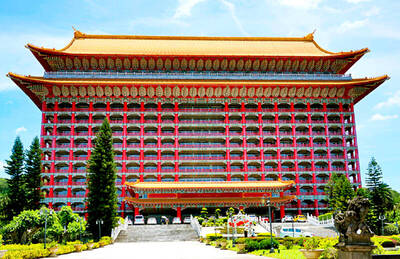
The Grand Hotel Taipei has rejected media reports claiming that the hotel had prevented CBS from broadcasting coverage of the Beijing summit between U.S. President Donald Trump and Chinese President Xi Jinping (習近平) on its premises. Media reports alleging that the hotel owner, dissatisfied with CBS’s coverage, prohibited the network from broadcasting political content on the hotel premises, are not true, the hotel said in a statement issued last night. The reports were “inconsistent with how the hotel actually handled the matter,” it said. The hotel said it received a refund request from a


 RSS
RSS