

Taiwan grown kiwifruit is more expensive than imports because of their limited quantity, but have a sweetness and delicate texture that comes from being harvested closer to ripeness than their foreign counterparts, the Ministry of Agriculture said yesterday.
Efforts are being made to expand production of locally grown kiwifruit, Miaoli District Agricultural Research and Extension Station Deputy Director Chung Kuo-hsiung (鍾國雄) said in a statement.
The fruit starts coming into season in mid-September, but often sells out quickly due to limited quantity, the branch office of the agriculture said.
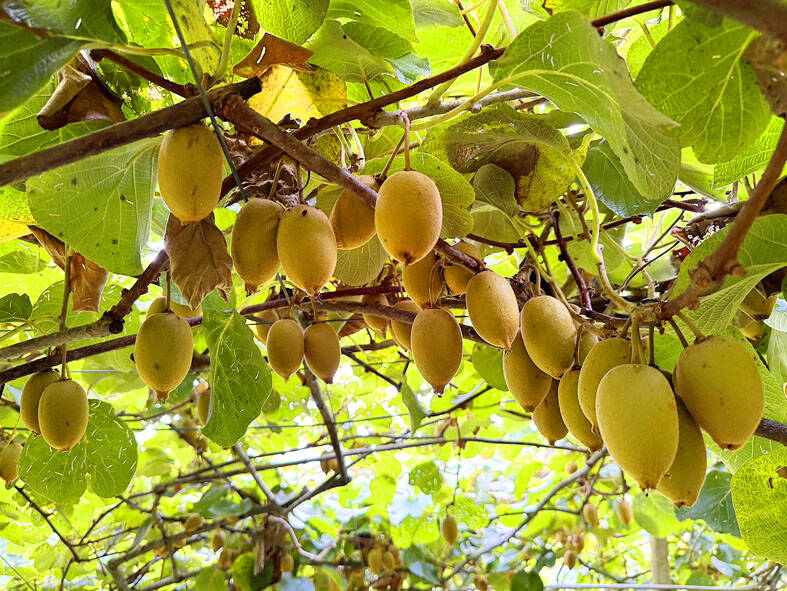
Photo courtesy of the Miaoli District Agricultural Research and Extension Station
In Taiwan, kiwifruit is grown at an elevation of at least 1,000m in mountainous areas such as Miaoli County’s Dahu Township (大湖), Hsinchu County’s Jianshih Township (尖石) and Taichung’s Lishan (梨山), the office said.
Because of the cool climate kiwifruits grow in, many farmers opt to use little or no pesticides or fertilizer on their vines, it said.
Taiwan’s kiwifruit are harvested when they are 90 percent or even fully ripe, while imported kiwis have to be picked when only 70 to 80 percent ripe so that they can ripen during shipping, it said.
The later harvest gives Taiwan’s kiwifruit a higher sugar content, making them sweeter, and also produces a more delicate texture and balanced sweet-sour flavor, the office said.
Because local harvesting times and shipping practices vary, Taiwanese kiwifruit are sometimes slightly hard when they reach the market, it said.
In such cases, they can be placed in a paper bag with bananas or other fruit that release ethylene, hastening the ripening process, it added.
In general, the harder kiwifruits would ripen completely in one to three days, and they can then be stored in the refrigerator for up to one to two weeks, the statement said.
Taiwan produced 133 tonnes of kiwifruit last year and imported 30,000 tonnes, mostly from New Zealand, but also from Italy, China, the US, France and Japan, ministry data showed.
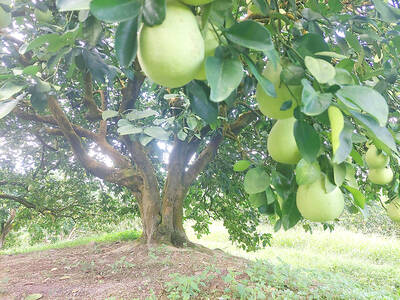
A Hualien pomelo farmer refused to sell to China after the country announced it would permit more Taiwanese pomelo imports, prompting widespread support from Taiwanese consumers, who rallied to buy his fruit. China’s Taiwan Affairs Office last month said that China’s General Administration of Customs registered an additional 79 Taiwanese pomelo orchards and packing facilities in Hualien County, allowing more Taiwanese producers to export pomelos to China. “I am a Hualien fruit farmer and I refuse to sell to China,” Liu Tzu-hao (劉子豪) from Ruisui Township (瑞穗) said in an online post. Liu is a well-known farmer in the community and has served
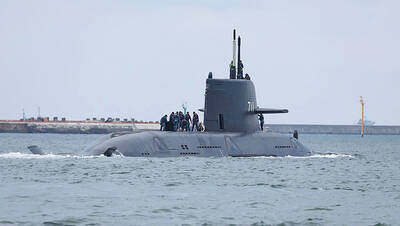
UPDATE: The submarine would need to undergo combined systems testing and crew training for navy personnel before it is ready for mission, an expert said Taiwan’s first domestically built submarine, the Hai Kun (Narwhal, 海鯤), could be delivered to the navy as early as next month, military expert and Taiwan Association for Security and Development chairman Chi Tung-yun (紀東昀) said yesterday. The submarine was yesterday morning observed departing for its 21st sea trial and its 15th submerged test. The vessel missed the initial delivery deadline of November last year due to “testing delays,” its primary contractor, shipbuilder CSBC Corp, Taiwan, said in June. The contractor also cited “political pressure from China” in procuring critical equipment. All testing operations are in the final stages, with the

OCT. 31: The antiviral drugs Tamiflu and Eraflu have been distributed to about 4,000 medical facilities nationwide for people in seven groups who develop flu-like symptoms As the domestic influenza epidemic enters its peak season and continues to escalate, the Centers for Disease Control (CDC) yesterday announced that publicly funded influenza antiviral drugs for seven eligible groups have been extended to Oct. 31, allowing those who develop flu-like symptoms to receive the medication without undergoing a rapid influenza test. The CDC has extended the expanded use of flu antiviral drugs to seven groups: healthcare and influenza-prevention personnel; residents and staff at nursing homes, long-term care facilities and similar institutions; kindergarten and daycare workers and home-based caregivers; students from kindergarten through high school, vocational high school and the
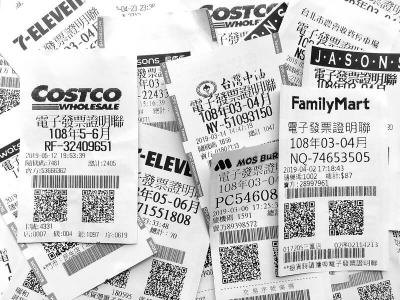
Six NT$10 million (US$315,527) special prizes and seven NT$2 million grand prizes in Taiwan's May-June uniform invoice lottery remained unclaimed as of today, including one NT$10 million winner who spent only NT$10 on an Uber Eats delivery order, the Ministry of Finance said. The ministry said the 13 winners need to claim their prizes by Nov. 5. The eight-digit serial number that won the NT$10 million special prize for May-June was 38548029, with 18 winning receipts in total. The NT$2 million grand prize number was 10138845, of which there were 22 winning receipts, the ministry said. In addition to the receipt issued for an


 RSS
RSS