


A shipment of frozen sea urchins imported from Chile by a Japanese restaurant chain has been blocked at the border due to excessive levels of cadmium, the Food and Drug Administration (FDA) reported today.
The 40kg batch, imported by Zensho Taiwan Co, Ltd, which operates Sukiya and Hama Sushi Taiwan, was processed in accordance with regulations, which involves either returning it to Chile or destroying it at the border, the agency said.
The batch was found to contain 0.5 milligrams per kilogram (mg/kg) of cadmium, exceeding the legal limit of 0.3mg/kg for seafood, FDA Acting Director-General Lin Chin-fu (林金富) said.
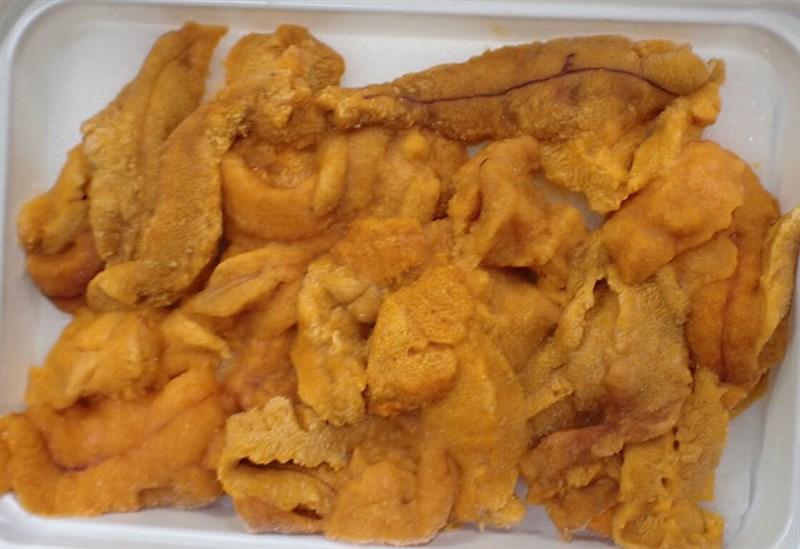
Photo courtesy of the Food and Drug Administration
As a result of this violation, enhanced inspections would be conducted on the company's future shipments, replacing the routine random checks previously applied, Lin told reporters.
However, since only one out of 11 batches of Chilean sea urchins imported over the past six months failed the inspection, no additional restrictions or special regulatory measures would be imposed for Chilean sea urchins at this stage, he said.
The FDA’s weekly report also identified 15 other substandard food products, including Egyptian basil leaves, Indian groundnut kernels and Vietnamese soft peanut candies, which were found to exceed pesticide residue limits or have other safety concerns.
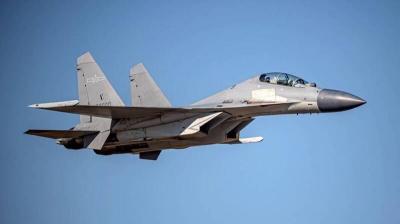
Eight Chinese naval vessels and 24 military aircraft were detected crossing the median line of the Taiwan Strait between 6am yesterday and 6am today, the Ministry of National Defense said this morning. The aircraft entered Taiwan’s northern, central, southwestern and eastern air defense identification zones, the ministry said. The armed forces responded with mission aircraft, naval vessels and shore-based missile systems to closely monitor the situation, it added. Eight naval vessels, one official ship and 36 aircraft sorties were spotted in total, the ministry said.
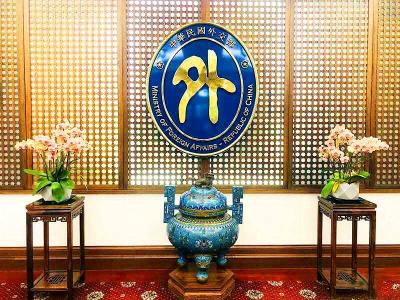
The Ministry of Foreign Affairs (MOFA) today said that if South Korea does not reply appropriately to its request to correct Taiwan’s name on its e-Arrival card system before March 31, it would take corresponding measures to alter how South Korea is labeled on the online Taiwan Arrival Card system. South Korea’s e-Arrival card system lists Taiwan as “China (Taiwan)” in the “point of departure” and “next destination” fields. The ministry said that it changed the nationality for South Koreans on Taiwan’s Alien Resident Certificates from “Korea” to “South Korea” on March 1, in a gesture of goodwill and based on the

Taiwanese officials were shown the first of 66 F-16V fighter jets purchased by Taiwan from the United States, the Ministry of National Defense said yesterday, adding the aircraft has completed an initial flight test and is expected to be delivered later this year. A delegation led by Deputy Minister of National Defense Hsu Szu-chien (徐斯儉) visited Lockheed Martin’s F-16 C/D Block 70 (also known as F-16V) assembly line in South Carolina on March 16 to view the aircraft. The jet will undergo a final acceptance flight in the US before being delivered to Taiwan, the
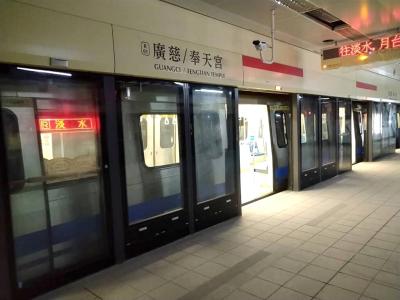
The New Taipei Metro's Sanyin Line and the eastern extension of the Taipei Metro's Tamsui-Xinyi Line (Red Line) are scheduled to begin operations in June, the National Development Council said today. The Red Line, which terminates at Xiangshan Station, would be connected by the 1.4km extension to a new eastern terminal, Guangci/Fengtian Temple Station, while the Sanyin Line would link New Taipei City's Tucheng and Yingge stations via Sanxia District (三峽). The council gave the updates at a council meeting reviewing progress on public construction projects for this year. Taiwan's annual public infrastructure budget would remain at NT$800 billion (US$25.08 billion), with NT$97.3


 RSS
RSS