


The American Institute in Taiwan’s (AIT) Taipei office has condemned the Chinese government for publishing out a new set of guidelines aimed at targeting what it deems “die-hard Taiwan independence separatists” and called the rules “destabilizing.”
In a statement issued on Friday, an AIT spokesperson said the institute “strongly condemns the escalatory and destabilizing language” from People’s Republic of China (PRC) officials in “legal guidelines” that were announced in June.
“PRC threats and legal pressure will not achieve peaceful resolution to cross-strait differences,” the AIT said, adding that it “urge[s] the PRC to engage in meaningful dialogue with Taiwan.”
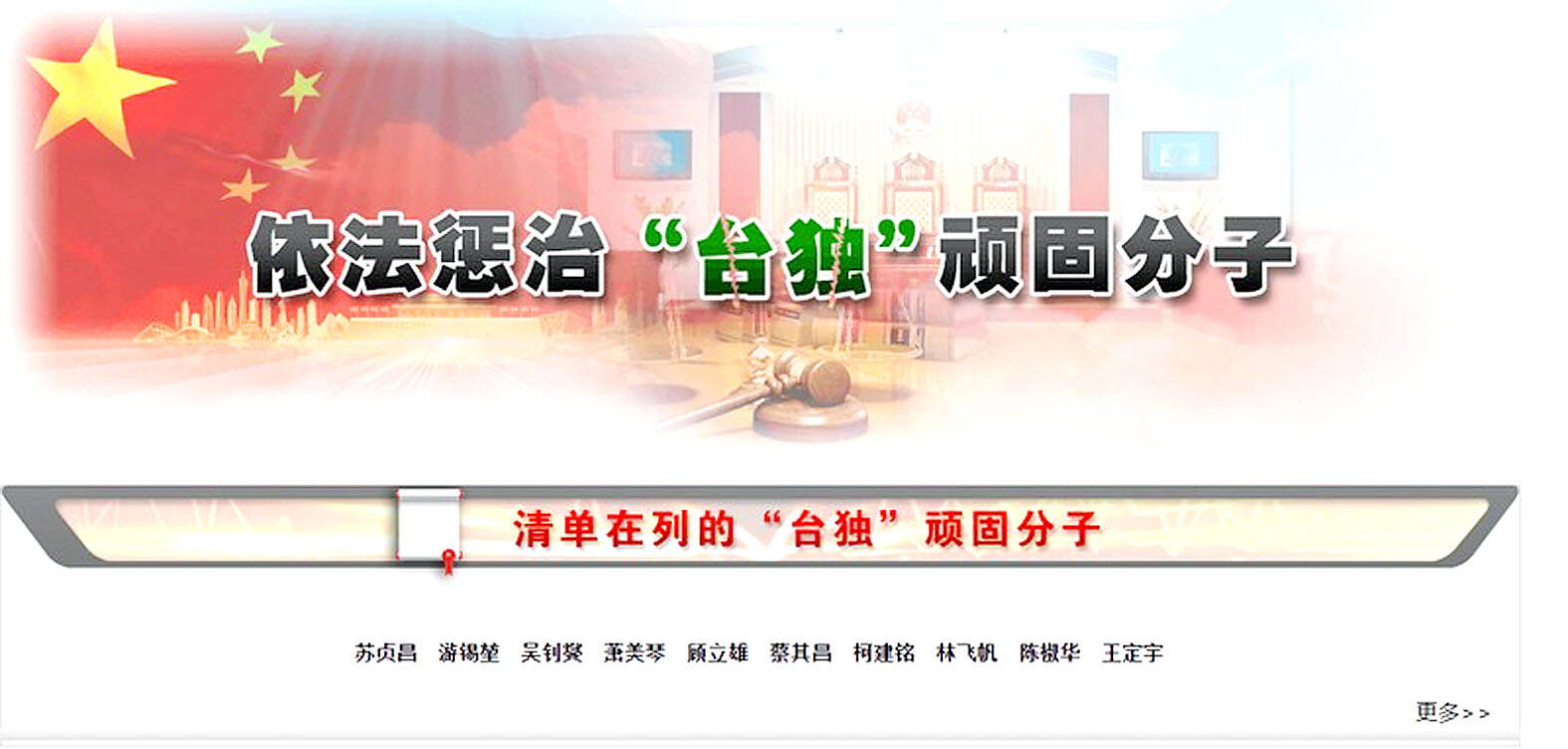
Photo: Screen grab from China’s Taiwan Affairs Office Web site
“We also continue to urge restraint and no unilateral change to the status quo, which has preserved peace and stability in the Taiwan Strait and throughout the region for decades,” the de facto US embassy added.
The AIT’s comments came two days after China’s Taiwan Affairs Office (TAO) launched a new section on its Web site disclosing the information on those listed as “die-hard Taiwan independence separatists,” including Vice President Hsiao Bi-khim (蕭美琴) and Minister of National Defense Wellington Koo (顧立雄).
TAO also encouraged the public to report suspicious behaviors to the Chinese authorities.
The section was created after Chinese officials issued new guidelines on June 21, effective immediately, which allow courts in China to try Taiwan independence advocates in absentia.
“Die-hard” advocates of Taiwan independence who are convicted of inciting secession or committing other “serious crimes” could be sentenced to death, the judicial guidelines say.
The guidelines, which detail “the criminal nature of ‘Taiwan independence’ separatist acts, their criminal liabilities and the procedure to impose penalties,” can be seen as “a refinement and supplement” to China’s 2005 “Anti-Secession” Law, Chinese state backed Xinhua news agency said at the time.
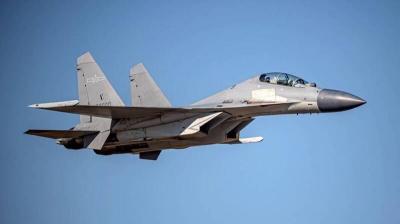
Eight Chinese naval vessels and 24 military aircraft were detected crossing the median line of the Taiwan Strait between 6am yesterday and 6am today, the Ministry of National Defense said this morning. The aircraft entered Taiwan’s northern, central, southwestern and eastern air defense identification zones, the ministry said. The armed forces responded with mission aircraft, naval vessels and shore-based missile systems to closely monitor the situation, it added. Eight naval vessels, one official ship and 36 aircraft sorties were spotted in total, the ministry said.
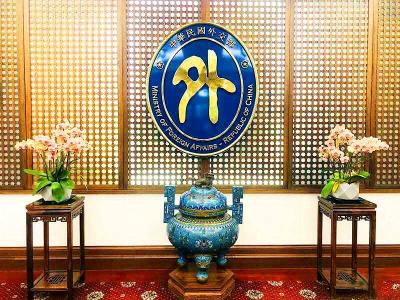
The Ministry of Foreign Affairs (MOFA) today said that if South Korea does not reply appropriately to its request to correct Taiwan’s name on its e-Arrival card system before March 31, it would take corresponding measures to alter how South Korea is labeled on the online Taiwan Arrival Card system. South Korea’s e-Arrival card system lists Taiwan as “China (Taiwan)” in the “point of departure” and “next destination” fields. The ministry said that it changed the nationality for South Koreans on Taiwan’s Alien Resident Certificates from “Korea” to “South Korea” on March 1, in a gesture of goodwill and based on the

Taiwanese officials were shown the first of 66 F-16V fighter jets purchased by Taiwan from the United States, the Ministry of National Defense said yesterday, adding the aircraft has completed an initial flight test and is expected to be delivered later this year. A delegation led by Deputy Minister of National Defense Hsu Szu-chien (徐斯儉) visited Lockheed Martin’s F-16 C/D Block 70 (also known as F-16V) assembly line in South Carolina on March 16 to view the aircraft. The jet will undergo a final acceptance flight in the US before being delivered to Taiwan, the
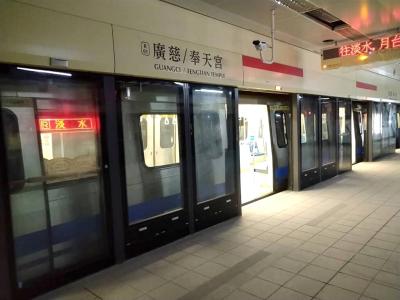
The New Taipei Metro's Sanyin Line and the eastern extension of the Taipei Metro's Tamsui-Xinyi Line (Red Line) are scheduled to begin operations in June, the National Development Council said today. The Red Line, which terminates at Xiangshan Station, would be connected by the 1.4km extension to a new eastern terminal, Guangci/Fengtian Temple Station, while the Sanyin Line would link New Taipei City's Tucheng and Yingge stations via Sanxia District (三峽). The council gave the updates at a council meeting reviewing progress on public construction projects for this year. Taiwan's annual public infrastructure budget would remain at NT$800 billion (US$25.08 billion), with NT$97.3


 RSS
RSS