


COVID-19 hospitalizations last week rose 6 percent to 987, while deaths soared 55 percent to 99, the Centers for Disease Control (CDC) said yesterday, adding that the recent wave of infections would likely peak this week.
People aged 65 or older accounted for 79 percent of the hospitalizations and 90 percent of the deaths, the majority of whom have or had underlying health conditions, CDC data showed.
The youngest hospitalized case last week was a six-month-old, who was born preterm and was unvaccinated, CDC physician Lin Yung-ching (林詠青) said.
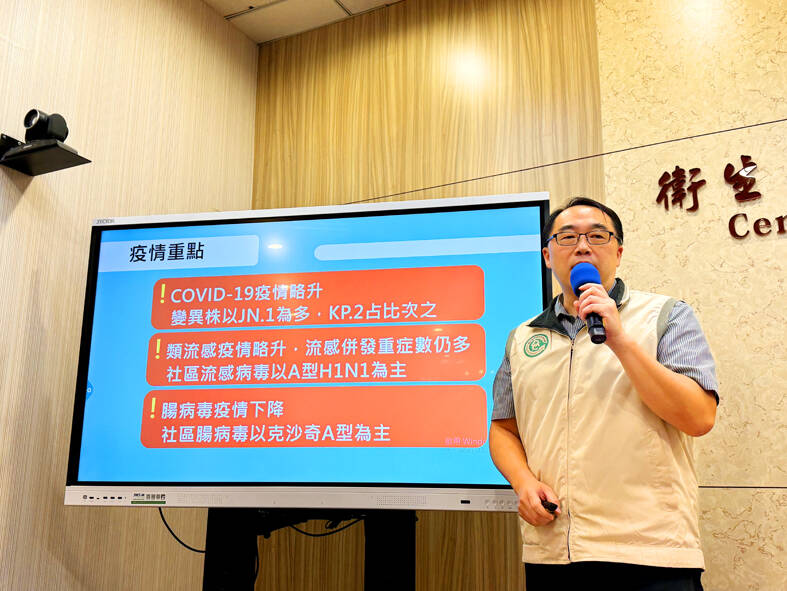
Photo: CNA
The infant had a fever, coughing and a runny nose early this month, but two days later, after developing difficulty breathing and experiencing changes in appetite and vitality, she was rushed to a hospital, where she tested positive for COVID-19 and pneumonia, Lin said.
While weekly cases are increasing, the growth rate of the cases has been falling, from 90 percent to 30 percent, 14 percent and 6 percent in the past few weeks, CDC Deputy Director-General Tseng Shu-hui (曾淑慧) said.
The CDC’s simulation model suggests that the peak might occur this week, Tseng said.
Viral genome sequence data indicate that JN.1 is still the dominant subvariant of SARS-CoV-2 around the world and in Taiwan, where it is responsible for nearly 40 percent of the imported and local cases in the past four weeks, followed by KP.2, making up more than 20 percent of the imported and local cases, CDC Epidemic Intelligence Center Director Guo Hung-wei (郭宏偉) said.
The main circulating subvariants worldwide are JN.1, KP.2, KP.3 and the rapidly increasing LB.1, Tseng said.
While JN.1 is listed as a “variant of interest,” the WHO has classified the other strains as “variants under monitoring,” she said.
The new subvariants all have higher transmissibility and better immune escape than previous ones, but they have not been proven to increase the severity of the disease, and existing testing methods and medication are still effective, she said.
“The WHO advises people at a high risk of developing severe COVID-19 that a dose of any available vaccine is more beneficial than delaying vaccination,” she said.
If their immunity from previous vaccines has waned, they should get the XBB.1.5-adapated vaccine, rather than wait for the next updated vaccine, she added.
As many countries are in October to administer newly updated vaccines — either targeting JN.1 or KP.2 — the CDC would be holding a specialists’ meeting today to discuss the safety and efficacy of the vaccines, and are expected to make a decision on which vaccine Taiwan should purchase, the centers said.
Meanwhile, 105,322 hospital visits for flu-like illness were reported last week, about 2.2 percent more than the previous week, Guo said, adding that 56 cases of severe flu complications and 21 flu-related deaths were also reported.
The youngest flu-related fatality last week was a child, who was not vaccinated this flu season, and had a fever, sore throat, loss of appetite early last month, Lin said.
After developing difficulty breathing and falling unconscious at home the next day, she was rushed to a hospital for emergency treatment, where her heartbeat had temporarily stopped, he said.
After her vital signs became steady, her blood pressure and blood oxygen levels remained low, he said.
As a chest X-ray showed pneumonia, and further examination suggested myocarditis, she was placed on extracorporeal membrane oxygenation and admitted to an intensive care unit, he said.
However, she remained in a coma and died of multiple organ failure after being hospitalized for about a month, Lin said.
With tourist sites crowded with more visitors during the summer, people should practice good hand hygiene and cough etiquette, especially in crowded indoor venues, the CDC said.
People should seek immediate medical treatment if they develop signs of severe illness such as shortness of breath, difficulty breathing and cyanosis (when the skin, lips or nails turn a bluish tone, indicating low blood oxygen), it added.
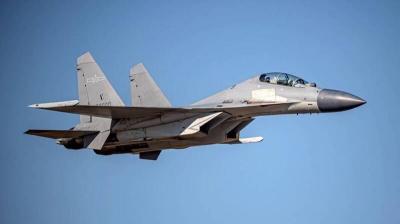
Eight Chinese naval vessels and 24 military aircraft were detected crossing the median line of the Taiwan Strait between 6am yesterday and 6am today, the Ministry of National Defense said this morning. The aircraft entered Taiwan’s northern, central, southwestern and eastern air defense identification zones, the ministry said. The armed forces responded with mission aircraft, naval vessels and shore-based missile systems to closely monitor the situation, it added. Eight naval vessels, one official ship and 36 aircraft sorties were spotted in total, the ministry said.
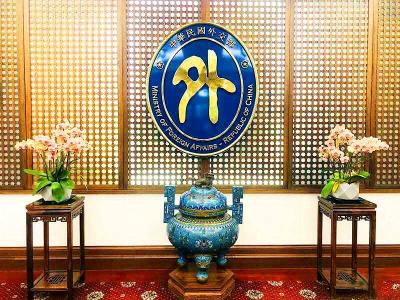
The Ministry of Foreign Affairs (MOFA) today said that if South Korea does not reply appropriately to its request to correct Taiwan’s name on its e-Arrival card system before March 31, it would take corresponding measures to alter how South Korea is labeled on the online Taiwan Arrival Card system. South Korea’s e-Arrival card system lists Taiwan as “China (Taiwan)” in the “point of departure” and “next destination” fields. The ministry said that it changed the nationality for South Koreans on Taiwan’s Alien Resident Certificates from “Korea” to “South Korea” on March 1, in a gesture of goodwill and based on the

Taiwanese officials were shown the first of 66 F-16V fighter jets purchased by Taiwan from the United States, the Ministry of National Defense said yesterday, adding the aircraft has completed an initial flight test and is expected to be delivered later this year. A delegation led by Deputy Minister of National Defense Hsu Szu-chien (徐斯儉) visited Lockheed Martin’s F-16 C/D Block 70 (also known as F-16V) assembly line in South Carolina on March 16 to view the aircraft. The jet will undergo a final acceptance flight in the US before being delivered to Taiwan, the
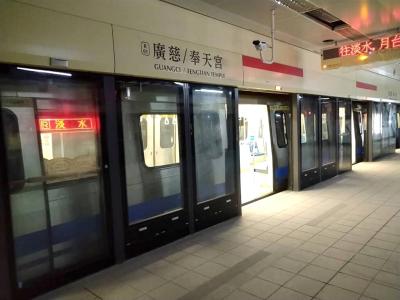
The New Taipei Metro's Sanyin Line and the eastern extension of the Taipei Metro's Tamsui-Xinyi Line (Red Line) are scheduled to begin operations in June, the National Development Council said today. The Red Line, which terminates at Xiangshan Station, would be connected by the 1.4km extension to a new eastern terminal, Guangci/Fengtian Temple Station, while the Sanyin Line would link New Taipei City's Tucheng and Yingge stations via Sanxia District (三峽). The council gave the updates at a council meeting reviewing progress on public construction projects for this year. Taiwan's annual public infrastructure budget would remain at NT$800 billion (US$25.08 billion), with NT$97.3


 RSS
RSS