

Nearly 90 percent of people who experience sexual violence do not report the incidents to police, the Modern Women’s Foundation said yesterday.
The WHO defines sexual violence as “acts that range from verbal harassment to forced penetration, and an array of types of coercion, from social pressure and intimidation to physical force.”
Surveys worldwide have found that about 80 percent of people who are targets of sexual violence do not report incidents and in Taiwan the number might be as high as 90 percent, the foundation said, citing the results of an online survey it conducted.
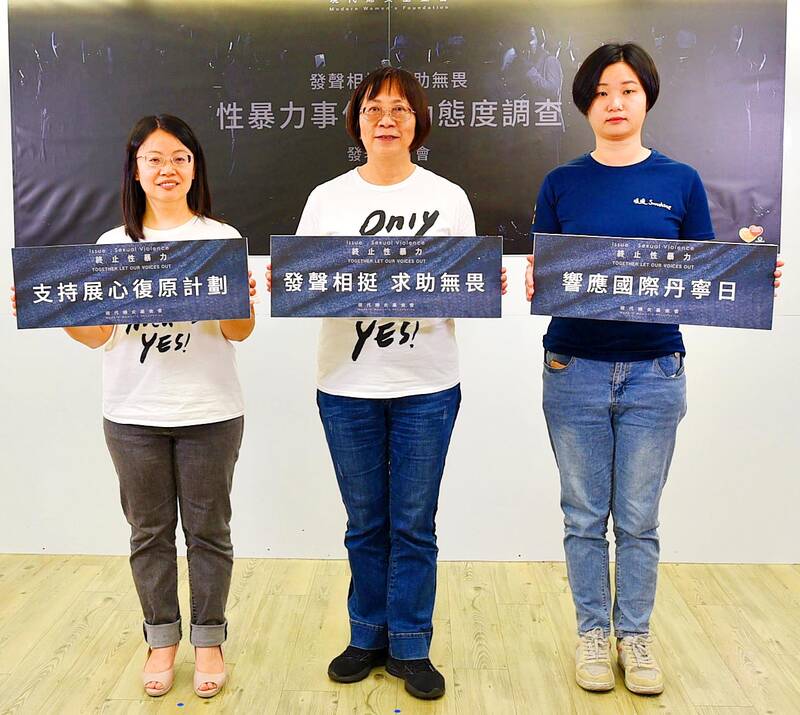
Photo: Wu Po-hsuan, Taipei Times
A support system for victims of sexual violence needs to be established and more attention should be put on the issue through events like Denim Day, the foundation said.
The survey, which was divided into questions on hypothetical scenarios and actual experiences, was conducted last month. It garnered 876 valid responses.
About 40 percent of those surveyed never tell anyone, including friends, after they experience sexual violence, it said, adding that only 32.4 percent said they had sought assistance following an incident.
As many as 20,000 cases of sexual violence go unreported each year, the foundation said, citing Ministry of Health and Welfare data.
Among respondents who said they had been subjected to sexual violence, 85 percent had been sexually harassed and 27.6 percent had been sexually assaulted, the survey showed.
“Most of those who do not report incidents are worried that there is insufficient evidence, that the case will bring them shame or that their life will be thrown into disorder,” foundation president Jennifer Wang (王如玄) said.
“However, it is greatly concerning that people are bearing this trauma alone,” Wang said. “We need to ensure that people committing these acts are brought to justice.”
Among those who said they had told someone about their experience, less than 30 percent said they received the reaction they expected and more than 50 percent said they did not.
“For example, this could mean a friend telling a victim that they failed to protect themselves or that they are blowing things out of proportion,” foundation director-general Chang Miao-ju (張妙如) said.
“It could also be an authority figure who has an unprofessional attitude or an unsatisfactory ruling in a lawsuit,” Chang said. “Any of those things can make a victim feel disheartened and helpless.”
People who do not find appropriate help can develop anxiety, insomnia, nightmares and even mental dissociation, she said.
People should be encouraged to seek professional help and should be accompanied, but should never be forced against their will to speak with someone, she said.
Tang Ching (湯淨), who founded Nuan Nuan Sunshine, a support group for people who have experienced sexual violence, said she hoped the group would be a place for people to share their stories anonymously and provide mutual support.
“Many people fail to recognize what constitutes sexual violence,” Tang said. “Often the act occurs when the victim is very young or it is committed by someone the victim had an emotional connection with, making it harder for them to tell others.”
Sometimes speaking to others can also unlock memories that have been buried, thereby causing renewed suffering, she said.

A Hualien pomelo farmer refused to sell to China after the country announced it would permit more Taiwanese pomelo imports, prompting widespread support from Taiwanese consumers, who rallied to buy his fruit. China’s Taiwan Affairs Office last month said that China’s General Administration of Customs registered an additional 79 Taiwanese pomelo orchards and packing facilities in Hualien County, allowing more Taiwanese producers to export pomelos to China. “I am a Hualien fruit farmer and I refuse to sell to China,” Liu Tzu-hao (劉子豪) from Ruisui Township (瑞穗) said in an online post. Liu is a well-known farmer in the community and has served
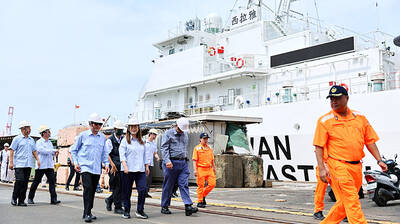
Ocean Affairs Council (OAC) Minister Kuan Bi-ling (管碧玲) on Wednesday said decommissioned coast guard vessels were given to the Philippines to enhance regional rescue capacity and would not affect Taiwanese fishers’ rights and benefits. Kuan made the remarks after confirmation on Tuesday that a 500-tonne Coast Guard Administration (CGA) patrol and rescue vessel would be given to the Philippine Coast Guard. The donation ceremony was reportedly done in Manila, but whether the vessel — previously numbered “CG123” and named Kinmen (金門) — has been handed over has yet to be confirmed. China’s Taiwan Affairs Office (TAO) on Wednesday criticized the donation for “taking
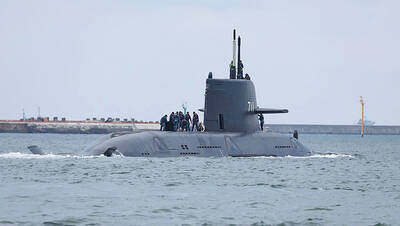
UPDATE: The submarine would need to undergo combined systems testing and crew training for navy personnel before it is ready for mission, an expert said Taiwan’s first domestically built submarine, the Hai Kun (Narwhal, 海鯤), could be delivered to the navy as early as next month, military expert and Taiwan Association for Security and Development chairman Chi Tung-yun (紀東昀) said yesterday. The submarine was yesterday morning observed departing for its 21st sea trial and its 15th submerged test. The vessel missed the initial delivery deadline of November last year due to “testing delays,” its primary contractor, shipbuilder CSBC Corp, Taiwan, said in June. The contractor also cited “political pressure from China” in procuring critical equipment. All testing operations are in the final stages, with the
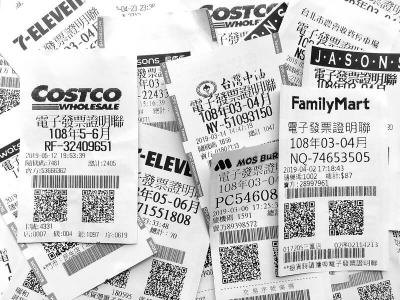
Six NT$10 million (US$315,527) special prizes and seven NT$2 million grand prizes in Taiwan's May-June uniform invoice lottery remained unclaimed as of today, including one NT$10 million winner who spent only NT$10 on an Uber Eats delivery order, the Ministry of Finance said. The ministry said the 13 winners need to claim their prizes by Nov. 5. The eight-digit serial number that won the NT$10 million special prize for May-June was 38548029, with 18 winning receipts in total. The NT$2 million grand prize number was 10138845, of which there were 22 winning receipts, the ministry said. In addition to the receipt issued for an


 RSS
RSS