


Travel during the Mid-Autumn Festival three-day weekend is expected to lead to a rise in the number of infectious respiratory diseases, physicians said.
Taichung Medical Clinics Association president and pediatrician Tseng Chung-fang (曾崇芳) said that cases of upper respiratory diseases — not just COVID-19 — usually increase by about 20 to 30 percent after the Mid-Autumn Festival holiday.
Based on her observations, people with “long COVID” symptoms, including coughing, sore throat and chest tightness, also increased by 20 to 30 percent in the past two months, Tseng said.
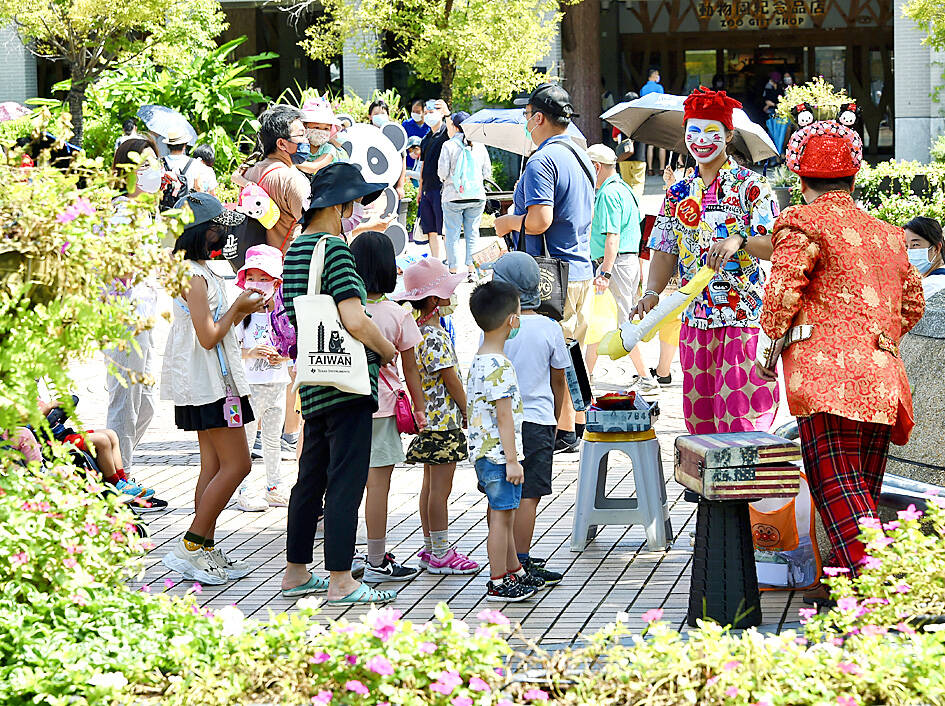
Photo: Tu Chien-jung, Taipei Times
Respiratory infections usually increase as the weather gets colder, and an increasing number of children with such illnesses have been admitted to hospital this month, National Taiwan University Children’s Hospital superintendent Huang Li-min (黃立民) said on Saturday.
Many children being treated for respiratory symptoms at outpatient clinics or emergency rooms did not have COVID-19, but were diagnosed with the respiratory syncytial virus or enteroviruses, he said.
“The troublesome part is that the symptoms of these diseases are very similar, so patients must receive rapid tests at the hospital, or else it is nearly impossible to tell them apart,” Huang said.
Adults are capable of reporting their symptoms and performing a rapid test, but children usually do not understand what they are experiencing and cannot express themselves well, which leads to more hospital admissions, he said.
When hospitals increase the number of pediatric facilities designated for COVID-19 patients, it leaves fewer beds for patients with other diseases, he said.
“Many infectious diseases are attacking at the same time, which is really troubling,” he said, adding that the pediatric division is under significant pressure.
Since a significant local COVID-19 outbreak began in April, about 20 percent of children and adolescents have contracted the disease, and about 10 to 30 percent of children are at risk of experiencing post-COVID-19 syndrome, or “long COVID,” which could affect their studies and daily life, China Medical University Children’s Hospital superintendent Wang Jiu-yao (王志堯) said.
Wang cited data from the hospital’s post-COVID outpatient clinic that showed that the most common post-COVID-19 syndrome symptoms in children and adolescents were coughing (43.5 percent), sore throat and other throat disorders (35.1 percent), ear pain and other ear problems (34.9 percent), weight loss or weight gain (33.1 percent) and weakness (31.8 percent).
Children who have post-COVID-19 syndrome might also be at risk of experiencing multisystem inflammatory syndrome in children (MIS-C), he said, adding that lack of motivation (25.3 percent), anxiety (22.7 percent) or loss of interest in life (11.7 percent) are also reported.
Parents of children who have recovered from an acute COVID-19 infection should take action if a child shows signs of physical discomfort, decreased activity level, changes in diet or sleeping habits, poor learning or interpersonal relationship troubles, he said, adding that parents should seek medical attention in such situations.
The Central Epidemic Command Center has said that the number of COVID-19 cases involving the BA.5 subvariant of the Omicron variant of SARS-CoV-2 could peak near the end of this month.

FUKUOKA SITUATION: Japanese media reported that the pathogen is expected to be identified by the summer, while the CDC downplayed the idea that it was hMPV A “mysterious cold-like illness” reported in Japan’s Fukuoka Prefecture does not seem to be a new disease, but Japanese authorities have been asked about the situation, the Centers for Disease Control (CDC) said yesterday. The Fukuoka Prefectural Medical Association on Wednesday told a news conference that a “mystery cold” that has become a hot topic on social media is “highly likely to be caused by some kind of viral infection,” Japan’s KBC News reported. “Many people are experiencing symptoms starting with a sore throat, followed by a runny nose, phlegm and a severe cough,” KBC News reported, citing association officials. Health authorities are

Nvidia Corp CEO Jensen Huang (黃仁勳) arrived in Taiwan yesterday ahead of upcoming AI and technology events, saying he plans to meet with clients and Taiwan Semiconductor Manufacturing Co Chairman C.C. Wei (魏哲家) during his visit. After landing at Taipei Songshan Airport, Huang posed for photos with fans and handed out Yakult drinks to reporters and supporters waiting at the scene, saying he has “a lot to do” during the trip. Asked about reports that Nvidia’s planned headquarters site in Taipei’s Beitou Shilin Technology Park could break ground on May 27, Huang said that if the company holds an event, he would

The Ministry of Finance this afternoon announced the winning numbers for the March-April uniform invoice lottery. The winning number for the NT$10 million (US$318,060) special prize is 19531471, and the winning number for the NT$2 million grand prize is 85941329. Three numbers were drawn for the NT$200,000 first prize: 07225810, 20231230 and 83518781. Those with receipts matching the last seven digits of any of the first-prize numbers will win the NT$40,000 second prize, while those matching the last six digits will win the NT$10,000 third prize. Those whose receipts match the last five digits of the first-prize numbers can claim the NT$4,000 fourth prize,
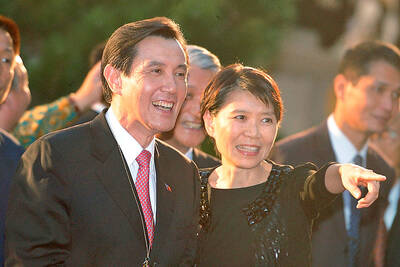
Former president Ma Ying-jeou (馬英九) yesterday expressed “shock and regret” over a statement issued by his wife without his consent, and rejected her assertion that his eldest sister, Ma Yi-nan (馬以南), would manage his medical care or act as his spokesperson amid an ongoing embezzlement probe into his foundation. Ma Ying-jeou in a statement said he was shocked by a statement by his wife, Chou Mei-ching (周美青), regarding his affairs. Ma Yi-nan “must not” be in charge of his healthcare and other personal affairs, nor can she be allowed to represent the Ma family, the former president said. He said he was also


 RSS
RSS