


People who try to catch up on sleep during the Lunar New Year holiday are more likely to wake up with a headache than feeling refreshed, Asia University Hospital internal neurologist Wu Chih-ying (吳致螢) said.
A disordered sleeping schedule is a known trigger of migraines and headaches, including stress-induced ones, the Taichung-based doctor said, adding that too little or excessive sleep and changing sleep patterns could lead to days of acute headaches and migraines.
While a mechanism linking headaches to oversleeping has yet to be explained, several theories have been proposed, he said.
Some research suggests that excessive sleep could upset the balance of neurotransmitters, especially of melatonin and serotonin, which could cause anxiety, depression, memory problems and reduced motor skills, he said.
A regular schedule is important for healthy sleep and is a better way to ensure quality sleep than long-term sleep aid use, he said.
People should avoid alcohol, nicotine or intense exercise before going to bed, he said, adding that forced sleep is counterproductive.
If not tired, people should try relaxing activities, such as listening to music or reading, until they feel like sleeping, he said.
Maintaining a regular schedule for activity and rest would help stabilize the circadian rhythm, which could be interrupted by catch-up sleep, he said.
Short naps during the day could restore energy for working and studying in the afternoon, but resting for too long makes falling asleep at night difficult, he said, adding that coffee or strong tea should be avoided in the afternoon.
Creating a calm and restful environment is also important for sleep, and bedrooms should be free of light or noise, he said.
Sleeping pills are controlled substances, because they could pose risks to some groups; for example, elderly people who use sleep medication are at higher risk of falling, he said.
Operators of heavy equipment or vehicles and people who work at great heights are more likely to be involved in an accident after using a sleep aid, and people with dementia who take such medication are at higher risk of confusion, he said.
Frequent and persistent headaches at night is indicative of respiratory disorders, including a narrow air passage and sleep apnea, and people experiencing such headaches should consult a neurologist, he said.
Sleep disorders, including snoring, excessive dreaming, wakefulness and shallow or difficult sleep, are highly prevalent among people who suffer from migraines, he said, adding that identifying potential physiological causes for the symptoms could help control migraines.

Actor Darren Wang (王大陸) was sentenced to six months in prison, commutable to a fine, by the New Taipei District Court today for contravening the Personal Data Protection Act (個人資料保護法) in a case linked to an alleged draft-dodging scheme. Wang allegedly paid NT$3.6 million (US$114,380) to an illegal group to help him evade mandatory military service through falsified medical documents, prosecutors said. He transferred the funds to Chen Chih-ming (陳志明), the alleged mastermind of a draft-evasion ring, although he lost contact with him as he was already in detention on fraud charges, they said. Chen is accused of helping a

SECURITY: Starlink owner Elon Musk has taken pro-Beijing positions, and allowing pro-China companies to control Taiwan’s critical infrastructure is risky, a legislator said Starlink was reluctant to offer services in Taiwan because of the nation’s extremely high penetration rates in 4G and 5G services, the Ministry of Digital Affairs said yesterday. The ministry made the comments at a meeting of the legislature’s Transportation Committee, which reviewed amendments to Article 36 of the Telecommunications Management Act (電信管理法). Article 36 bans foreigners from holding more than 49 percent of shares in public telecommunications networks, while shares foreigners directly and indirectly hold are also capped at 60 percent of the total, unless specified otherwise by law. The amendments, sponsored by Chinese Nationalist Party (KMT) Legislator Ko
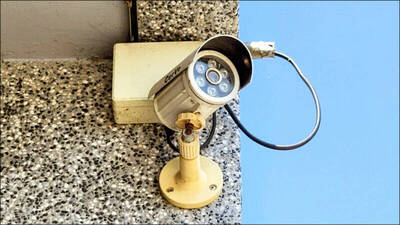
UNREASONABLE SURVEILLANCE: A camera targeted on an road by a neighbor captured a man’s habitual unsignaled turn into home, netting him dozens of tickets The Taichung High Administrative Court has canceled all 45 tickets given to a man for failing to use a turn signal while driving, as it considered long-term surveillance of his privacy more problematic than the traffic violations. The man, surnamed Tseng (曾), lives in Changhua County and was reported 45 times within a month for failing to signal while driving when he turned into the alley where his residence is. The reports were filed by his neighbor, who set up security cameras that constantly monitored not only the alley but also the door and yard of Tseng’s house. The surveillance occurred from July

‘SAME OLD TRICK’: Even if Beijing resumes individual travel to Taiwan, it would only benefit Chinese tourism companies, the Economic Democracy Union convener said China’s 10 new “incentives” are “sugar-coated poison,” an official said yesterday, adding that Taiwanese businesses see them clearly for what they are, but that Beijing would inevitably find some local collaborators to try to drums up support. The official, speaking on condition of anonymity, made the remark ahead of a news conference the General Chamber of Commerce is to hold today. The event, titled “Industry Perspectives on China’s Recent Pro-Taiwan Policies,” is expected to include representatives from industry associations — such as those in travel, hotels, food and agriculture — to request the government cooperate with China’s new measures, people familiar with


 RSS
RSS