


The animal kingdom is full of surprises that challenge our understanding of biology. From remarkable feeding mechanisms to extreme defense strategies, some creatures possess traits so unusual that they seem like pure fiction. Here are four fascinating examples that show nature’s endless creativity.
The humble snail may appear simple, but its mouth tells a different story. Snails possess a ribbon-like tongue called a radula, densely covered with anywhere from 1,000 to 12,000 tiny teeth. This structure works like a cheese grater, allowing them to scrape and grind food with surprising efficiency. Far from being passive creatures, snails are actually well-equipped eating machines.
Squids face an unusual challenge: their esophagus runs directly through their brain. Consequently, swallowing prey that is too large—such as fragments of crab shell—can potentially cause brain damage. This peculiar arrangement forces squids to thoroughly break down their food before swallowing, making every meal a careful operation.
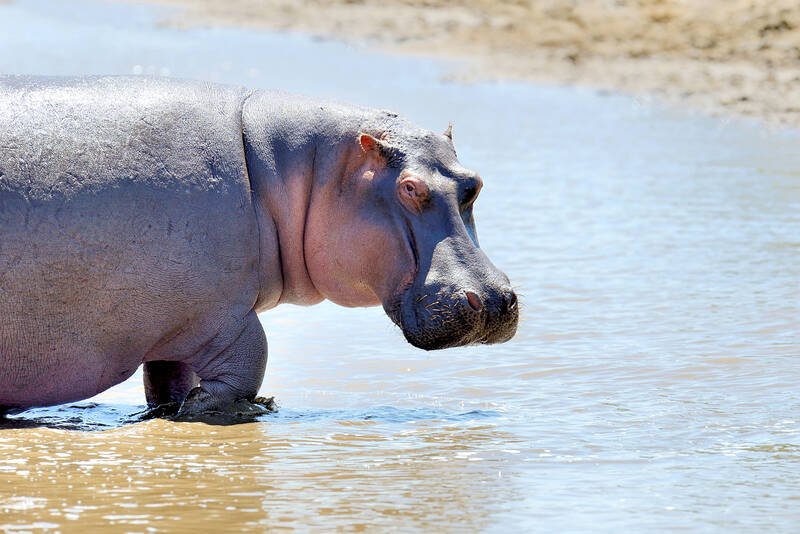
Photo: Freepik / 照片:Freepik
Deep in African rainforests, the hairy frog has developed one of nature’s most extreme defense mechanisms. When threatened, this creature deliberately fractures its own toe bones and forces them through the skin to form sharp claws—earning comparisons to the comic book character Wolverine. How these frogs recover from such self-inflicted injuries remains a mystery.
Finally, hippos often appear to sweat blood, but this striking red secretion is actually a natural protective fluid. It functions as both sunscreen against intense African heat and an antibacterial agent, keeping wounds clean.
Taken together, these facts are a reminder: evolution doesn’t aim for elegance — it aims for survival, even when the result looks wonderfully weird.
動物王國充滿了各種挑戰我們對生物學理解的驚奇現象。從非凡的進食機制到極端的防禦策略,有些生物擁有的特不尋常到似乎只是虛構的。以下有四個迷人的例子,展現了大自然無窮無盡的創造力。
平凡的蝸牛看似簡單,但其口器卻訴說著另一番故事。蝸牛擁有一條稱為「齒舌」的緞帶狀舌頭,上面密布著約一千到一萬兩千顆微小的牙齒。這種構造如起司刨絲器般運作,使蝸牛能夠以驚人的效率刮取並磨碎食物。蝸牛實際上是裝備完善的進食機器,絕非被動的生物。
魷魚面臨一項奇特的生理挑戰:牠們的食道直接穿過大腦。因此,吞下過大的獵物—例如蟹殼碎片—可能會對大腦造成傷害。這種特殊的構造迫使魷魚在吞食前必須徹底分解食物,使得每一餐都成為一種精細的操作。
在非洲雨林深處,毛蛙演化出自然界中最極端的防禦機制之一。當受到威脅時,牠會刻意折斷自己的腳趾骨,並將骨頭刺穿皮膚,形成鋒利的爪子,因此被拿來與漫畫角色「金鋼狼」相比。這些青蛙如何從這種自我造成的傷害中恢復,至今仍是科學上的謎團。
最後,河馬常常看起來像是在流血汗,但這種醒目的紅色分泌物其實是一種天然的防護液體。此液體同時具有防曬功能,可抵禦非洲強烈的陽光,並具備抗菌劑的功能,幫助傷口保持清潔。
綜合來看,這些事實提醒我們:演化的目標並不是追求優雅,而是生存,即使結果看起來奇異得令人驚嘆。
MORE INFORMATION
radula n. (軟體動物的)齒舌
grater n. 刨絲器
scrape v. 刮掉;擦傷
squid n. 魷魚
esophagus n. 食道
rainforest n. 雨林
self-inflicted adj. 自己造成的
secretion n. 分泌物
sunscreen n. 防曬乳;防曬油
anti-bacterial adj. 抗菌的
elegance n. 優雅;典雅
KEY VOCABULARY
1. possess v. 具有;擁有
Good teachers possess firm kindness, guiding students through effort, doubt, and growth. 好的老師擁有堅定的善意,引導學生走過努力、懷疑與成長。
2. creativity n. 創造力;創意
Strong creativity appears when curiosity meets effort and careful reflection.
當好奇心結合努力與仔細反思時,強大的創造力便會出現。
3. grind v. 磨碎 (grind-ground-ground)
The cook ground spices by hand to follow the old recipe. 廚師用手研磨香料,以遵循那道老食譜。
4. efficiency n. 效率
Team efficiency depends on clear roles, trust, and steady communication.
團隊效率取決於清楚的角色、信任,以及穩定的溝通。
5. consequently adv. 因此
The machine broke down suddenly; consequently, production slowed for several hours.
機器突然壞掉;因此,生產減慢了好幾個小時。
6. potentially adv. 可能地;潛在地
The medicine is potentially helpful for reducing pain, but may cause side effects in some people.
這種藥物可能對減輕疼痛有幫助,但對某些人可能產生副作用。
7. deliberately adv. 故意地
Tom deliberately stayed quiet during the argument with his wife to avoid saying anything wrong.
湯姆故意在妻子的爭論中保持沉默,以免說錯話。
8. fracture v. (使)斷裂;骨折
Jack accidentally fractured his wrist while falling from the slippery stairs yesterday.
傑克昨天從濕滑的樓梯摔下,不小心把手腕摔斷了。
9. claw n. 爪子
The tiger’s sharp claw left marks on the thick tree trunk.
老虎尖銳的爪子在粗大的樹幹上留下痕跡。
空中美語APP+︰全新AI學習,限時免費!(學習音檔) https://www.english4u.net/qr/app.html
文章由AMC空中美語授權使用: https://www.english4u.net

A: Taiwan legalized same-sex marriage on May 24, 2019, so this week marks the seventh anniversary of that milestone. By the end of 2024, a total of 32,126 LGBT couples had tied the knot. B: How many of them got married to foreign partners? A: In 2024, there were 504 cross-border same-sex marriages. By the end of that year, there were 130 cross-strait same-sex marriages between Taiwanese and Chinese — accounting for only about 0.4 percent of the total. B: I’ve heard that a seven-year marriage brings the “seven-year itch.” I bet some couples regret their decisions now. A:

A: While Taiwan is celebrating the 7th anniversary of legalizing same-sex marriage, a poll shows that the support rate for same-sex marriage rose sharply from 37.4 percent seven years ago to 69.9 percent last year. B: Actually, I’m a bit curious about the size of Taiwan’s LGBT population. A: I’m not sure. But if we take a Gallup poll in the US as an example, 9.3 percent of American adults identified as LGBT in 2024. B: Wow, is it because the Americans are relatively open? In many other countries, the figures hover around 5 percent. A: Based on this,
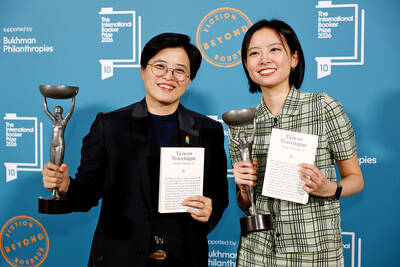
Taiwan Travelogue, the novel by Taiwanese author Yang Shuang-zi and translated into English by Lin King, won the prestigious International Booker Prize in London on May 19. It marks the first time a Taiwanese literary work has received the International Booker Prize, setting a historic milestone both for Taiwanese literature and for the award itself. Prior to this achievement, Taiwan had only once appeared on the Booker radar, when Taiwanese author Wu Ming-yi was longlisted for the Booker Prize in 2018 with The Stolen Bicycle. The International Booker Prize honors works of fiction translated into English and published in the UK or Ireland.
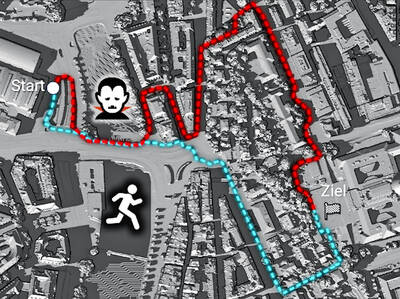
As climate change and urbanization push city temperatures higher, walking outdoors is becoming increasingly uncomfortable in many parts of the world, especially when prolonged time spent in sunlight is involved. As a result, outdoor lovers are now seeking cooler, shaded walking routes. However, most mainstream map apps still do not __1__ shaded footpaths. Enter routing.osm.ch — a Swiss web-based route planner that introduces a novel solution to this problem. Its “Vampire mode,” named after the legendary creatures’ fear of being __2__ natural light, was developed by a Swiss research team led by Professor Stefan Keller. The platform combines open data from


 RSS
RSS