


Visitors walking down the streets of London and other major English cities might notice a curious sight. Many of the old __1__ have some of their windows boarded up. What’s even stranger is that there doesn’t appear to be any consistent pattern as to which windows get covered.
This architectural __2__ dates back over 300 years during a time when “coin clipping” was a common crime in England. Back then, silver coins had simple designs with __3__, unmarked edges. Without any pattern extending to the coins’ rims, it was difficult to tell if the edges had been __4__. This made it easy for criminals to clip thin pieces of silver from around the edges of coins.
Since the coins’ value came from the __5__ of silver they contained, a clipped coin was worth less than a full one. This became a real __6__ when taxes were paid with these lighter coins. The government ended up receiving less revenue than expected. To make up for the __7__ loss, the government introduced a property tax based on the number of windows in a building.

Photo: AdobeStock 照片:AdobeStock
However, the policy led to unintended consequences. Many property owners passed the cost on to the tenants through higher __8__. To avoid paying even more, many landlords began sealing windows or building houses with fewer of them. As a result, working-class families, who could only afford to live in small, shared apartments, __9__ a lack of fresh air and sunlight. Many fell ill, and diseases spread quickly through these buildings.
As awareness grew about the link between poor housing conditions and the health dangers, public __10__ to end the tax became louder. Finally, in 1851, the window tax was removed, and people in England were allowed to see the light again.
漫步在倫敦和其他英國大城市的街頭,遊客可能會注意到一個奇特的景象。許多老舊建築物的部分窗戶被封了起來。更奇怪的是,哪些窗戶被封起來似乎沒有一致的規律可循。
這種建築特色可以追溯到三百多年前,當時「硬幣剪邊」在英格蘭是一種常見的犯罪行為。當時,銀幣的設計簡單,邊緣光滑無紋。由於圖案沒有延伸到硬幣邊緣,因此很難判斷邊緣有沒有被削掉。這使得罪犯很容易從硬幣邊緣剪下薄薄的銀片。
由於硬幣的價值取決於含銀的重量,所以剪了邊的硬幣不如完整硬幣值錢。使用這些較輕的硬幣繳稅時,這就成了一個相當頭痛的問題。結果政府取得的稅收低於預期。為了彌補財政損失,政府推行一種根據建築物窗戶數量而課徵的房產稅。
然而,這項政策卻帶來意想不到的後果。許多房東藉由提高租金而將這筆費用轉嫁給租客。為了避免承擔更多開銷,許多房東開始封窗或興建窗戶較少的房屋。結果,只負擔得起住在狹小合租公寓的勞工階級家庭飽受缺乏新鮮空氣和陽光的折磨。有許多人生病,而疾病在這些建築物中迅速蔓延開來。
隨著人們益發注意到惡劣住房環境與健康危害之間的關聯,大眾要求取消窗戶稅的呼聲也越來越高。最終在 1851 年,窗戶稅被廢除,英格蘭的人們得以重見光明。
What Did You Learn?
(A) headache
(B) shaved off
(C) calls
(D) rents
(E) feature
(F) smooth
(G) structures
(H) weight
(I) suffered from
(J) financial
答案:
1. G 2. E 3. F 4. B 5. H 6. A 7. J 8. D 9. I 10. C
Words in Use
1. curious a. 古怪的
The cat made a curious noise that I had never heard before.
這隻貓咪發出了我從未聽過的奇怪聲音。
2. consistent a. 一致的
The results of the experiment are consistent every time, showing the method is reliable.
每次進行該實驗所產生的結果都一致,顯示了實驗方法是可靠的。
3. architectural a. 建築的
The expert spent a week studying the architectural details of the ancient temple.
那位專家花了一週的時間研究那座古廟的建築細節。
4. clip vt. 剪去,修剪(本文的 clipping 為動名詞、clipped 則為過去分詞作形容詞用)
The tailor clipped a small strip off the outer edge of the fabric to even it out.
裁縫師從布料的外緣剪掉一小條來使邊緣更加平整。
5. crime n. 罪行
criminal n. 罪犯
The young man was arrested for committing a serious crime.
那個年輕人因犯下一起嚴重罪行而被逮捕。
The police officer quickly caught the criminal who robbed the bank.
那名警官迅速抓住了搶劫該銀行的罪犯。
Practical Phrases
1. board up. . . / board. . . up (用木板等)封住……
During the violent protests, many stores chose to board up their doors to prevent damage.
在暴力抗議期間,許多商店選擇封住門以防止損壞。
2. date back + 一段時間 追溯至……前
This small church may date back more than 100 years.
這間小教堂可能可以追溯到一百多年前。
3. end up V-ing 結果∕最終∕到頭來……
Jane was supposed to join the party but ended up studying until midnight.
阿珍本來應該去參加派對,結果她讀書讀到午夜。
4. make up for. . . 彌補……
Jason had to make up for the missed lesson by working extra hard.
傑森不得不格外努力來彌補錯過的課程。
5. pass sth on to sb 把某事物轉移給某人
When his plan failed, Stan tried to pass all the blame on to his partner.
計畫失敗時,史坦試圖把所有責任都推給合作夥伴。
6. fall ill 生病
Paul worried his child might fall ill from the cold weather.
保羅擔心自己的小孩可能會因為寒冷的天氣而生病。
聽文章朗讀及講解: https://ivy.pse.is/455bfu
本文出自常春藤解析英語雜誌: www.ivy.com.tw
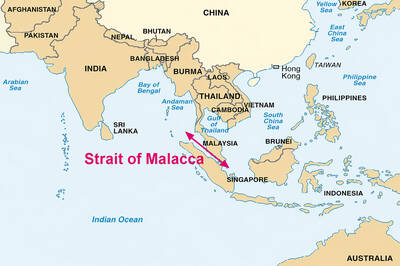
The closure of the Strait of Hormuz has forced policymakers in Asia to face questions over the security of other maritime chokepoints, including the Strait of Malacca, which is the world’s busiest waterway for international trade. WHAT IS THE MALACCA STRAIT? The 900km long Malacca Strait, bounded by Indonesia, Thailand, Malaysia and Singapore, provides the shortest sea route from East Asia to the Middle East and Europe. It carries nearly 22 percent of the world’s maritime trade, according to the Center for Strategic and International Studies (CSIS). This includes oil and gas shipments from the Middle East to the energy-hungry economies of China,
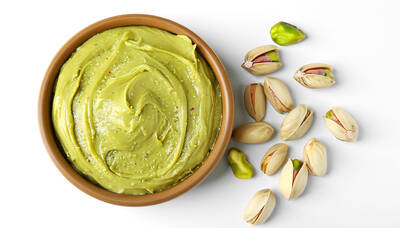
It seems like every year, new foods or drinks start trending and suddenly show up everywhere. A decade ago, avocado __1__ restaurant menus, while oat milk became the must-have addition to your coffee in cafes around five years back. The latest trend to hit this list is the pistachio. This flavorful green nut now features in everything from chocolate bars to Indian curries. While pistachios have long played a central role in certain regional cuisines, their recent global __2__ can be traced to Dubai. There, a specialty chocolate shop went __3__ on TikTok for one of its chocolate bars

One reason pistachios have taken the food world by storm compared to other nuts is their soft, green color. When ground down into a cream or butter, the green hue __6__ nicely with golden pastries or dark-brown chocolate, making it perfect for Instagram photos and TikTok videos. Their labor-intensive cultivation and __7__ also contribute to their image as a premium ingredient. Thus, buying a pistachio-based product often feels like a __8__ treat. Pistachios also stand out for their distinct flavor and health __9__. They have a subtle, sweet, earthy flavor that goes well with both sweet desserts and

A: Besides hit TV drama series like “Pursuit of Jade,” Disney+’s South Korean fortune-telling reality show “Battle of Fates” is also quite eye-catching. B: Fortune-telling reality show? That’s new. Are the competitors all fortune-tellers? A: Yup, 49 top shamans and fortune-tellers compete through divination, face reading, tarot cards and other methods. Those with higher accuracy rates then advance to the next round. B: But I still prefer watching dating reality shows. A: Maybe you can try Korea’s “Transit Love 4,” “Single’s Inferno 5,” or Japan’s “Offline Love,” “Badly in Love,” and even gay romance “The Boyfriend 2.” Those should


 RSS
RSS