


1. 我們必須盡可能生產更多優良的絲布。
ˇ We must produce as much fine silk cloth as possible.
χ We must produce as many fine silk cloths as possible.
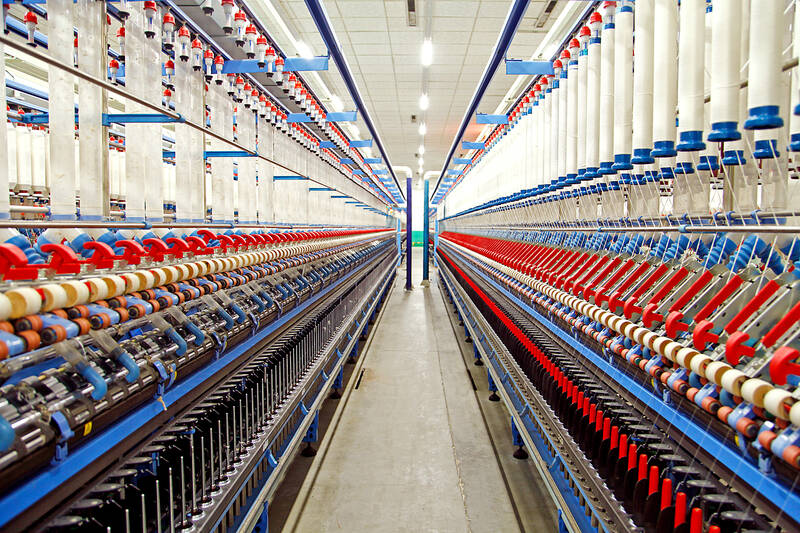
Photo: AdobeStock l 照片:AdobeStock
註:many 用於可數名詞前面,much 用於不可數名詞前面。cloth 作「布料」解,是不可數名詞,沒有複數;作「一塊布」、「桌布」解,才是可數名詞,複數是 cloths。
2. 抱歉,我法語懂得不多。
ˇ I am sorry I know so little French ( = very little French).

Photo: AdobeStock l 照片:AdobeStock
χ I am sorry I know a little French.
註:a little 作「有一些」解。例如:
I have a little money with me. It might be enough for a pair of shoes.
(我身邊帶著一點錢,也許夠買一雙鞋子了。)
little 是「很少」、「幾乎沒有」之意。如果說 I am glad I know a little French.
(幸好我懂一點法文。)則合乎情理。
3. 她台北的朋友很少。
ˇ She has few friends in Taipei.
χ She has a few friends in Taipei.
註:a few 與 few 的區別和 a little 與little 的區別類似,參上例。錯句中的 a few,應作「不少」、「有一些」解。
4. 他們幾乎沒有時間做完工作。
ˇ They have little time to finish their work.
χ They have few time to finish their work.
註:few 和 a few 用在可數名詞前面;little 和 a little 用在不可數名詞前面。
5. 我們必須盡可能少犯錯誤。
ˇ We must make as few errors as possible.
χ We must make as fewer errors as possible.
註:在連接詞 as ... as 和 so ... as 間,只可用形容詞或副詞的原級。例如:
He is as hardworking as his sister.
We must work as hard as possible.
You do not study so well as the others.
Exercises
A. 那邊人很少。
There are __________ people there.
1. a little
2. little
3. a few
4. few
B. 他們幾乎沒有時間把工作做完。
They have __________ time to finish their work.
1. a little
2. little
3. a few
4. few
Answers:
A. 4
B. 2
文章由書林出版公司提供:
www.bookman.com.tw
蘇正隆 — 台灣翻譯學學會前理事長、師大翻譯研究所兼任副教授; 編著《走讀自然.花言樹語》,《英語的對與錯》,《世紀病毒:必讀防疫英文知識與詞彙》...等。國家教育研究院中英雙語詞彙審議委員;研究領域為翻譯、術語及詞典編譯,從事植物與人文導覽數十年,亦曾應邀遠赴國外大學做植物人文導覽。

When people think of Spain, they often picture bullfights and flamenco—but there’s another celebration you shouldn’t miss. Every March, Valencia comes alive with “Las Fallas.” Its origins go back centuries to when carpenters burned wooden scraps they no longer needed to welcome spring as winter ended. Over time, the custom evolved from bonfires to giant street sculptures called fallas. This tradition has since developed into a UNESCO-recognized event that attracts millions of visitors. This festival centers on the ritual burning of falla monuments. Each monument is made up of several ninots: giant puppets that are crafted all year by local artists.

A: South Korean supergroup BTS is finally staging a comeback tomorrow, releasing their new album in nearly four years: “Arirang.” B: And to promote their new album, BTS will hold a comeback concert at the Gwanghwamun Plaza in downtown Seoul this weekend. According to police estimates, the show could attract a crowd of at least 260,000 fans. A: What about their new world tour? When will it start? B: The upcoming world tour will kick off from Gaoyang on April 9, and Kaohsiung will be included this time. A: Really? Hurry up and tell me the dates of the Kaohsiung shows. Maybe we

A: K-pop supergroup BTS is set to tour Taiwan at the end of the year, putting on three shows in Kaohsiung on Nov. 19, 21 and 22. B: But before that, VieShow Cinemas across Taiwan will launch the “BTS World Tour ‘Arirang’ in Japan Live Viewing” from the Tokyo Dome on April 18. A: In recent years, BTS’ junior groups — Tomorrow X Together (TXT) and CORTIS, which debuted under the same label in 2019 and 2025 respectively — have also quickly become global sensations. B: I like those two groups, too. Didn’t TXT just perform at the Taipei Dome recently? Their popularity
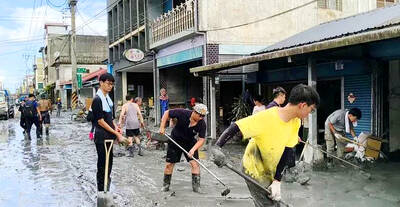
Heavy rain brought by Typhoon Ragasa caused the barrier lake above Matai’an Creek in Hualien’s Guangfu Township to overflow on Sept. 23 of last year. The sudden rush of water and mud destroyed a major bridge and swept through nearby villages, leaving significant damage in its wake. The barrier lake was formed in July, when heavy rain caused landslides and blocked the creek’s natural flow. As rainwater built up, the lake grew increasingly unstable. When Typhoon Ragasa hit, the water level rose rapidly and finally overflowed. In the aftermath, volunteers across Taiwan, known as “shovel supermen,” stepped in


 RSS
RSS