


對話 Dialogue
清清:華華,你聽說了嗎?2026年是觀賞極光的黃金期。
Qīngqing: Huáhua, nǐ tīngshuō le ma? Èr líng èr liù nián shì guānshǎng jíguāng dehuángjīnqí.
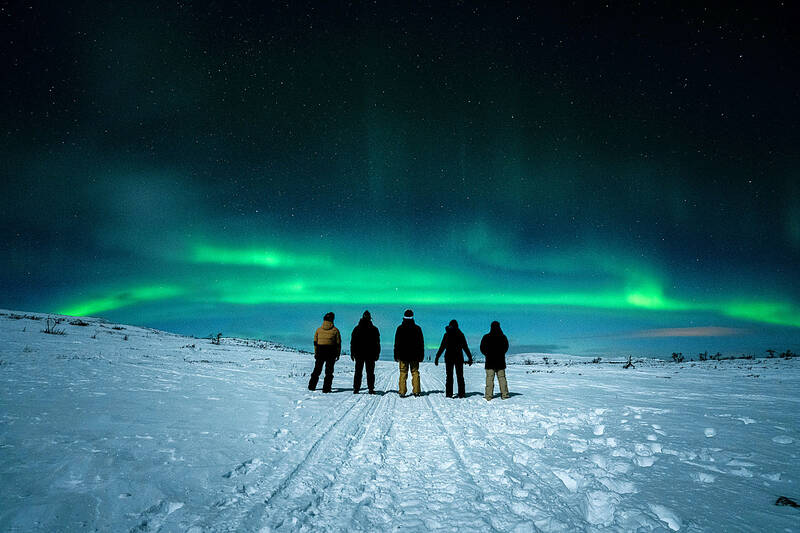
Photo: Unsplash / 照片:Unsplash
華華:真的嗎?我一直很想看極光,但還沒機會。
Huáhua: Zhēnde ma? Wǒ yìzhí hěn xiǎng kàn jíguāng, dàn hái méi jīhuì.
清清:我也是!我朋友說,今年極光大爆發,看到極光的機會很多。
Qīngqing: Wǒ yě shì! Wǒ péngyǒu shuō, jīnnián jíguāng dà bàofā, kàndào jíguāng de jīhuì hěn duō.
華華:聽起來很讚!可是自己飛去北極圈看極光好像很貴。
Huáhua: Tīng qǐlái hěn zàn! Kěshì zìjǐ fēi qù Běijíquān kàn jíguāng hǎoxiàng hěn guì.
清清:嗯,還是我們組團一起去?也許可以省一點錢。
Qīngqing: Ēn, háishì wǒmen zǔ tuán yìqǐ qù?Yěxǔ kěyǐ shěng yìdiǎn qián.
華華:好主意!你想去哪一國看極光?
Huáhua: Hǎo zhǔyì! Nǐ xiǎng qù nǎ yì guó kàn jíguāng?
清清:我想去挪威,那裡風景很漂亮,而且交通很方便。
Qīngqing: Wǒ xiǎng qù Nuówēi, nàlǐ fēngjǐng hěn piàoliàng, érqiě jiāotōng hěn fāngbiàn.
華華:好啊!那我們下班後各自先查查機票和住宿,改天吃午飯再一起討論吧。
Huáhua: Hǎo a! Nà wǒmen xiàbān hòu gèzì xiān chá chá jīpiào hé zhùsù, gǎitiān chī wǔfàn zài yìqǐ tǎolùn ba.
翻譯 Translation
Qingqing: Huahua, have you heard? 2026 is going to be a golden year for viewing the Northern Lights.
Huahua: Really? I’ve always wanted to see an aurora, but I haven’t had the chance yet.
Qingqing: Me too. My friend said that this year will have major aurora bursts, so there will be plenty of chances to see it.
Huahua: That sounds amazing, but flying to the Arctic Circle to see the aurora must be really expensive.
Qingqing: Yeah, maybe we can go as a group? That way we could save some money.
Huahua: Good idea. Which country would you want to see the aurora in?
Qingqing: I’d like to go to Norway. The scenery is beautiful, and they have great transportation.
Huahua: Sounds great. Let’s each check flights and accommodation after work, and we can talk more over lunch sometime.
生詞 Vocabulary
1. 極光 (jíguāng) aurora; northern lights
2. 黃金期 (huángjīnqī) golden period; prime time; optimal period
3. 大爆發 (dà bàofā) major outbreak; big burst; explosive event
4. 讚 (zàn) awesome; great; thumbs-up
5. 組團 (zǔtuán) organize a group; form a tour group
6. 好主意 (hǎo zhǔyì) good idea
7. 挪威 (Nuówēi) Norway
8. 住宿 (zhùsù) accommodation; lodging
教材音檔 Audio Files
國立清華大學華語中心提供
By National Tsing Hua University Chinese Language Center:

★ Bilingual Story is a fictionalized account. 雙語故事部分內容純屬虛構。 “Any New Year’s resolutions?” he asked. Lena put her coffee down. “Yeah,” she said. “To get in shape.... round is a shape, right?” Mark chuckled. “I support this. Fully achievable. Low risk.” “Thanks,” she smiled and lovingly rubbed her round belly. “I like a resolution I can’t fail.” “Funny thing is, I was thinking about getting round too.” Lena nodded her head in approval, “You could put some meat on those skinny bones of yours.” Mark shook his head, “Not that kind of round. Wheel-of-Life round.” She raised an eyebrow.

Skating is a popular recreational and competitive activity that involves sliding over surfaces using specially designed footwear. Its origins date back over 1,000 years to Northern Europe, where people first strapped animal bones to their feet to move across frozen lakes and rivers. In the 17th century, the Dutch transformed skating into a leisure activity. They also replaced bone blades with metal, leading to the creation of modern ice skates. Today, ice skating is enjoyed as a global sport and an exciting pastime by people of all ages. Figure skating is one of the best-known and most graceful forms of skating.

對話 Dialogue 清清:最近天氣越來越冷,感覺很容易感冒,要不要一起去吃薑母鴨或是羊肉爐? Qīngqing: Zuìjìn tiānqì yuèláiyuè lěng, gǎnjué hěn róngyì gǎnmào, yào bú yào yìqǐ qù chī jiāngmǔyā huòshì yángròulú? 華華:最近我覺得有點累,想吃薑母鴨,可是又怕一下子吃太補會上火。 Huáhua: Zuìjìn wǒ juéde yǒudiǎn lèi, xiǎng chī jiāngmǔyā, kěshì yòu pà yíxiàzi chī tài bǔ huì shànghuǒ. 清清:那我們去喝香菇雞湯吧,不太容易上火,喝了也會很暖和。 Qīngqing: Nà wǒmen qù hē xiānggū jītāng ba, bú tài róngyì shànghuǒ, hē le yě huì hěn nuǎnhuo. 華華:聽起來不錯!你們家平常冬天都吃什麼進補? Huáhua: Tīng qǐlái búcuò! Nǐmen jiā píngcháng dōngtiān dōu chī shénme jìnbǔ? 清清:我家都煮麻油雞,吃完整個人手腳都會熱起來。我也很久沒喝香菇雞湯了,正好可以去打打牙祭。 Qīngqing: Wǒ jiā dōu zhǔ máyóujī, chī wán zhěnggè rén shǒujiǎo dōu huì rè qǐlái. Wǒ yě hěn jiǔ méi hē xiānggū jītāng le, zhènghǎo kěyǐ qù dǎ dǎ yájì. 華華:可是我最近在減肥,會不會吃得太補,肉又長回來了? Huáhua: Kěshì wǒ zuìjìn zài jiǎnféi, huì bú
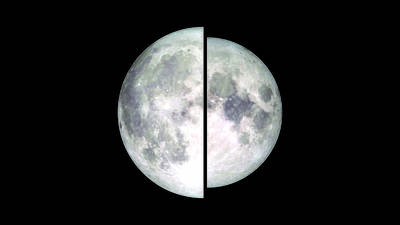
Have you ever gazed at the night sky and felt as though the Moon loomed larger than usual? Your eyes were not deceiving you. The Moon’s apparent size can __1__ subtly depending on where it is in its orbit. On certain occasions, it reaches its fullest phase while at its closest point to Earth. When these two events __2__, scientists and the public refer to the spectacle as a “supermoon.” The Moon does not orbit our planet in a perfect circle. Instead, it travels along a more oval-shaped __3__, completing one full orbit every 27 days. Consequently, there are times when


 RSS
RSS