


對話 Dialogue
清清:天氣變冷了,我想吃火鍋了。
Qīngqing: Tiānqì biàn lěng le, wǒ xiǎng chī huǒguō le.
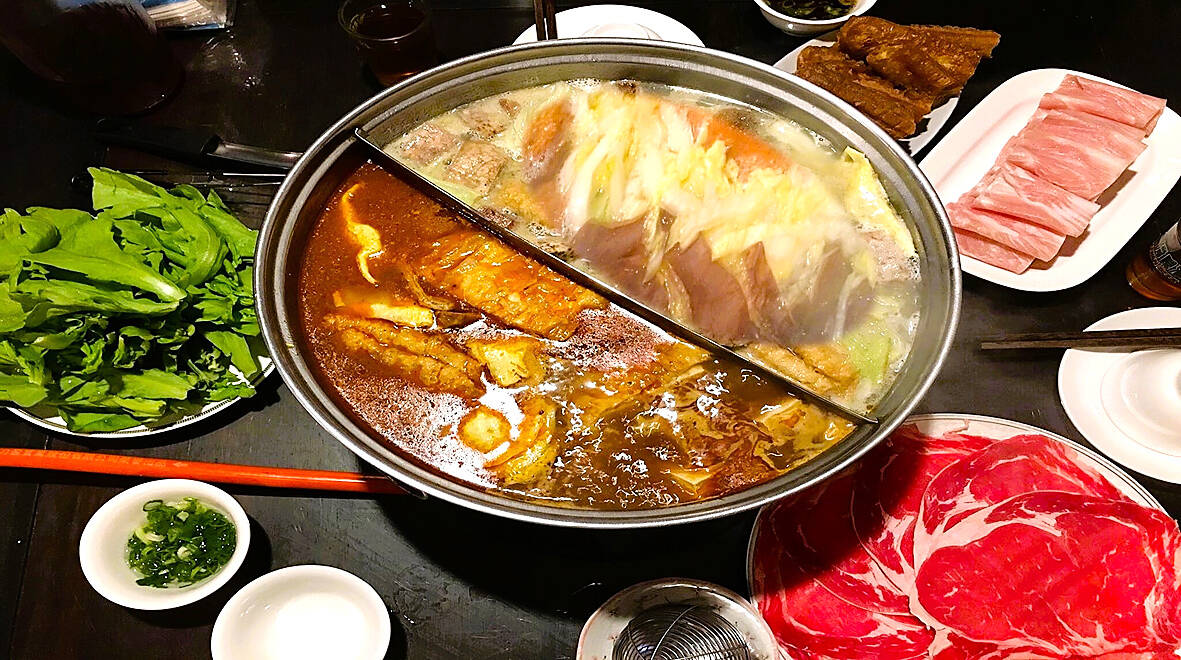
Photo: Wikimedia Commons 照片:維基共享資源
華華:好啊!你想吃哪家?
Huáhua: Hǎo a! Nǐ xiǎng chī něi jiā?
清清:公司附近新開了一家火鍋店,你注意到了嗎?
Qīngqing: Gōngsī fùjìn xīn kāi le yì jiā huǒguō diàn, nǐ zhùyìdào le ma?
華華:沒有欸!那裡有鴛鴦鍋嗎?我不太能吃辣的。
Huáhua: Méiyǒu ěi! Nàlǐ yǒu yuānyāng guō ma? Wǒ bútài néng chī là de.
清清:有,他們的湯底有很多種,大推酸菜白肉鍋。
Qīngqing: Yǒu, tāmen de tāngdǐ yǒu hěnduō zhǒng, dàtuī suāncaì báiròu guō.
華華:那太好了,我喜歡吃酸白菜。
Huáhua: Nà tài hǎo le, wǒ xǐhuan chī suān báicài.
清清:我們要不要先訂位?晚上人可能很多。
Qīngqing: Wǒmen yào búyào xiān dìngwèi? Wǎnshàng rén kěnéng hěn duō.
華華:好,你就訂晚上六點的吧!下班過去剛好。
Huáhua: Hǎo, nǐ jiù dìng wǎnshàng liù diǎn de ba! Xiàbān guòqù gānghǎo.
翻譯 Translation
Qingqing: The weather’s getting cold. I feel like having hot pot.
Huahua: Sounds good. Which place do you want to go to?
Qingqing: A new hot pot restaurant opened near our company. Did you notice?
Huahua: No. Do they have a dual-flavor pot? I can’t really eat spicy food.
Qingqing: Yes, they have many types of broth. I highly recommend the pickled cabbage and pork one.
Huahua: That’s great. I love pickled cabbage.
Qingqing: Should we make a reservation first? It might be crowded in the evening.
Huahua: Sure. Let’s book it for 6 p.m., so we can go right after work.
生詞 Vocabulary
1. 火鍋 (huǒguō) hot pot
2. 鴛鴦鍋 (yuānyāng guō)
dual-flavor hot pot, divided hot pot
3. 辣 (là) spicy
4. 湯底 (tāngdǐ) soup base, broth
5. 大推 (dàtuī) [slang] highly recommend
6. 酸菜白肉鍋 (suāncài báiròu guō) pickled cabbage and pork hot pot
7. 訂位 (dìngwèi) make a reservation, reserve a table
8. 下班 (xiàbān) get off work
教材音檔 Audio Files
國立清華大學華語中心提供
By National Tsing Hua University Chinese Language Center:
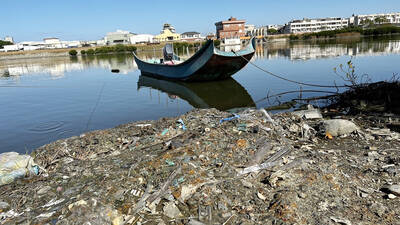
Many consumers are guilty of filling drawers or closets with old laptops, cellphones, fitness trackers and other electronic devices once they are no longer needed. It’s hard to know where to recycle such items, or it seems costly and inconvenient to do so. The world generates millions of tons of electronic waste — also called e-waste — each year. According to the UN’s most recent estimate, people worldwide produced 62 million metric tons of e-waste in 2022, and only about 22 percent of it was properly recycled. The US’ Environmental Protection Agency estimates that less than a quarter of e-waste is
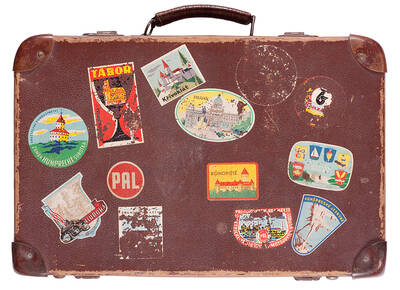
Travel fever is back, and it’s contagious. After years of being kept home during the COVID-19 pandemic, people are once again eager to explore the world. Rather than just book any trip, travelers are getting smarter about how they scratch that travel itch. Microcation Defined as four days or fewer and over 160km away from home, the microcation perfectly matches the post-pandemic mindset. After long periods of remaining indoors, people are making up for lost time by taking short, frequent getaways throughout the year. These brief trips avoid the work-life imbalance that comes with long absences. With only a few days away, one’s

Continued from yesterday(延續自昨日) https://www.taipeitimes.com/News/lang Gig Tripping “Gig tripping” combines concerts with travel. People fly to see their favorite artists perform — usually abroad—and spend a few days sightseeing before or after the show. While die-hard fans have done this since the 1960s, the post-pandemic travel boom changed the game. Even people who aren’t superfans are now booking international concert trips because they want to make the most of travel opportunities. This trend exploded in the US, as the math makes sense. Domestic concert tickets are so costly that flying abroad for the show plus tourism expenses often matches or even beats the price
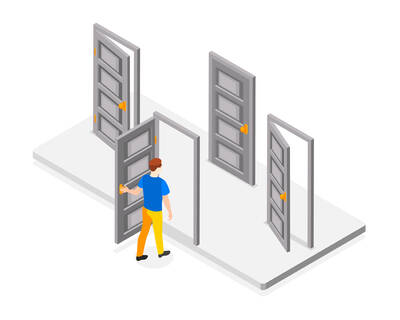
You’re sitting in class when a classmate asks to borrow a pencil. It seems like a small favor, so you agree without hesitation. The following week, the same classmate asks to share your notes. Later, they request help with a group project. You agree each time — after all, you helped out the first time — but before you know it, it has become automatic. This scenario demonstrates the “foot-in-the-door technique,” a psychological concept that shows how agreeing to small, acceptable demands makes it easier to accept larger ones later on. The name for this strategy comes from door-to-door


 RSS
RSS