


Have you ever argued with your parents about politics, news or social issues? Maybe you think their opinions are outdated, while they claim you have been brainwashed by the Internet. The truth is, neither of you is wrong. You’re simply living in different “filter bubbles,” seeing entirely different versions of reality.
A filter bubble forms when Web sites use algorithms to predict what content you want. Based on the videos you watch on YouTube, the TikToks you linger on or the articles you click, the system feeds you more of the same. Before you know it, you’re stuck in a personalized information bubble that reinforces your existing beliefs and interests.
This mounting problem has real consequences. First, it strengthens confirmation bias, where people tend to believe information that supports their existing beliefs and ignore opposing viewpoints. Second, filter bubbles speed up the spread of false or misleading content. If a post matches your beliefs, you’re more likely to be shown it and to believe it, even if it’s fake.
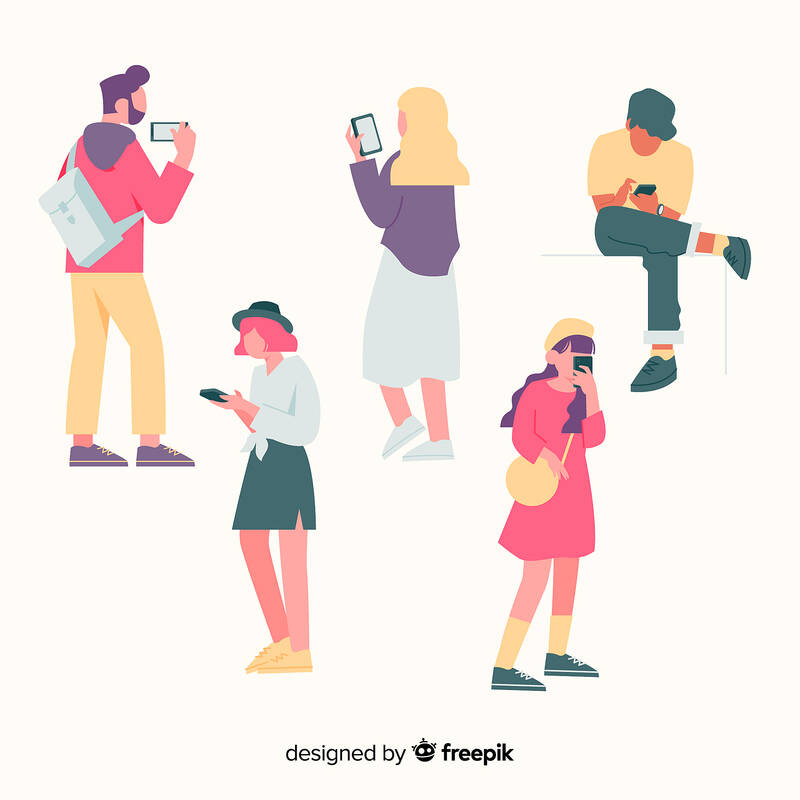
Photo: Freepik 照片:Freepik提供
So, how do you pop the bubble? Start by following creators or pages with different perspectives. For example, if you often watch videos that say school uniforms are pointless, try seeing why others believe they are helpful. When someone disagrees with you, don’t rush to argue. Instead, challenge your assumptions by finding out why they think that way. Clearing your browser cookies or using private mode can also reset algorithmic recommendations.
You and your parents might never fully agree, and that’s OK. Still, encountering diverse perspectives can help you understand why people think the way they do—and that’s where real conversations begin.
你曾經和父母因為政治、新聞或社會議題爭論過嗎?也許你覺得他們的觀點過時了,而他們卻聲稱你被網路洗腦了。事實上,你們雙方都沒有錯。你們只是生活在不同的「過濾氣泡」中,看到的是完全不同版本的現實。
當網站使用演算法來預測你想要什麼內容時,過濾氣泡就形成了。根據你在 YouTube 上觀看的影片、你停留觀看的 TikTok,或你點擊的文章,系統會提供給你更多相同類型的內容。在你意識到之前,你就被困在一個個人化的資訊氣泡中,這個氣泡會強化你現有的想法和興趣。
這個日益嚴重的問題會帶來真實的後果。首先,它加強了確認偏誤,即人們傾向相信支持自己現有觀點的資訊,而忽略相反的觀點。其次,過濾氣泡加速了虛假或誤導性內容的傳播。如果一則貼文符合你的想法,你就更有可能被推播這則貼文並相信它,即使它是假的。
那麼,要怎麼戳破氣泡呢?從關注具有不同觀點的創作者或專頁開始。例如,如果你經常觀看說學校制服毫無意義的影片,不妨看看為什麼其他人認為制服是有幫助的。當有人不同意你的觀點時,不要急於爭論。反之,透過了解他們為什麼這樣想來挑戰你的假設。清除你的瀏覽器 cookie 或使用無痕模式也可以重設演算法的推薦。
你和父母可能永遠不會完全同意對方的觀點,這沒關係。儘管如此,接觸多元化的觀點可以幫助你理解人們為什麼會有那樣的想法—而這才是真正對話的開始。
MORE INFORMATION
outdated adj. 過時的;陳舊的
algorithm n. 演算法
linger vi. 逗留;徘徊
personalized adj. 為某人特製的;個人化的
algorithmic adj. 演算法的
KEY VOCABULARY
1. reinforce vt. 加強;加固
? The teacher used real-life examples to reinforce students’ understanding of the lesson.
老師用生活中的例子來強化學生對課程的理解。
2. mounting adj. 增加的;加劇的
There is mounting pressure on the government to address climate change.
政府面臨的要求解決氣候變遷的壓力越來越大。
3. bias n. 偏見
confirmation bias 確認偏誤(選擇性地只注意或相信支持自己原本想法的資訊,忽略或排斥相反的資訊)
Some news articles show clear bias and don’t provide a balanced view of the facts.
有些新聞文章帶有明顯偏見,沒有呈現平衡的事實觀點。
4. opposing adj. 對立的;相反的
The debate featured two students with strongly opposing views on the topic.
這場辯論中有兩位學生對主題持強烈對立的看法。
5. viewpoint n. 觀點;見解
Everyone has a different viewpoint based on their background and life experience.
每個人根據自己的背景和人生經驗會有不同觀點。
6. misleading adj. 誤導的
The ad gave misleading information about the product’s real price and quality.
這則廣告對產品的實際價格與品質提供了誤導資訊。
7. assumption n. 假定;設想
It’s not safe to make an assumption without first checking the facts carefully.
在未仔細確認事實前就做假設是不安全的。
8. mode n. 模式;方式
private mode 無痕模式(一種網頁瀏覽方式,網站不會記錄你的搜尋紀錄和瀏覽內容)
Please switch your phone to silent mode during the meeting.
會議期間請將手機切換到靜音模式。
9. recommendation n. 推薦
The app gives movie recommendations based on what you’ve watched before.
這個應用程式會根據你先前觀看的內容提供電影推薦。
學習音檔: https://magazine.english4u.net/Magdata/menu/av87q
《空中美語》雜誌APP免費下載: https://www.english4u.net/apps/index.aspx
免費收聽當月《空中美語》雜誌課文朗讀及解析 !
文章由AMC空中美語授權使用: https://www.english4u.net

A: Popular humorous Japanese manga series “Chibi Maruko-chan” and “Crayon Shin-chan” will collaborate for their respective 40th and 35th anniversaries, publishing three crossover stories in April. B: Both were made into TV animation series, becoming huge hits in Asia. What are the crossover stories about? A: The first story features Shin-chan and his family visiting Maruko-chan’s hometown, Shizuoka City, where they run into each other. B: Wow, that sounds interesting. And then? A: The follow-ups feature Maruko-chan and her family visiting Shin-chan’s hometown, Kasukabe City. I bet the interactions between the two families will be funny. A: 熱門日本漫畫《櫻桃小丸子》、《蠟筆小新》4月將合作,為紀念小丸子40週年與小新35週年,推出三篇跨界聯動漫畫! B:
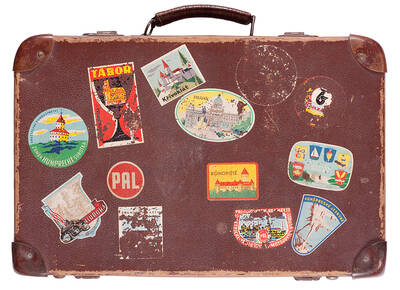
Travel fever is back, and it’s contagious. After years of being kept home during the COVID-19 pandemic, people are once again eager to explore the world. Rather than just book any trip, travelers are getting smarter about how they scratch that travel itch. Microcation Defined as four days or fewer and over 160km away from home, the microcation perfectly matches the post-pandemic mindset. After long periods of remaining indoors, people are making up for lost time by taking short, frequent getaways throughout the year. These brief trips avoid the work-life imbalance that comes with long absences. With only a few days away, one’s
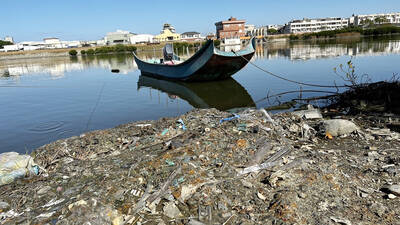
Many consumers are guilty of filling drawers or closets with old laptops, cellphones, fitness trackers and other electronic devices once they are no longer needed. It’s hard to know where to recycle such items, or it seems costly and inconvenient to do so. The world generates millions of tons of electronic waste — also called e-waste — each year. According to the UN’s most recent estimate, people worldwide produced 62 million metric tons of e-waste in 2022, and only about 22 percent of it was properly recycled. The US’ Environmental Protection Agency estimates that less than a quarter of e-waste is

Continued from yesterday(延續自昨日) https://www.taipeitimes.com/News/lang Gig Tripping “Gig tripping” combines concerts with travel. People fly to see their favorite artists perform — usually abroad—and spend a few days sightseeing before or after the show. While die-hard fans have done this since the 1960s, the post-pandemic travel boom changed the game. Even people who aren’t superfans are now booking international concert trips because they want to make the most of travel opportunities. This trend exploded in the US, as the math makes sense. Domestic concert tickets are so costly that flying abroad for the show plus tourism expenses often matches or even beats the price


 RSS
RSS