


Many people have heard the exaggerated stories of crazed schools of “piranhas” lurking beneath the waters of the Amazon River. Interestingly, it was US President Theodore Roosevelt who helped popularize these tales. He famously called piranhas “the most ferocious fish in the world,” which cemented their fearsome reputation. However, piranhas are not as violent as Roosevelt’s account, Hollywood movies, and adventure novels portray them.
Far from being ruthless killers, piranhas typically feed on worms, insects, small fish, and plants, helping maintain healthy river ecosystems. However, during the dry season, when water levels are low and food is scarce, they can become more aggressive. They might bite if they feel threatened, especially when people enter their breeding areas. Injured or bleeding individuals can also attract piranhas, as the fish are highly sensitive to the scent of blood in the water. Still, piranhas do not actively hunt humans and generally avoid confrontation unless provoked.
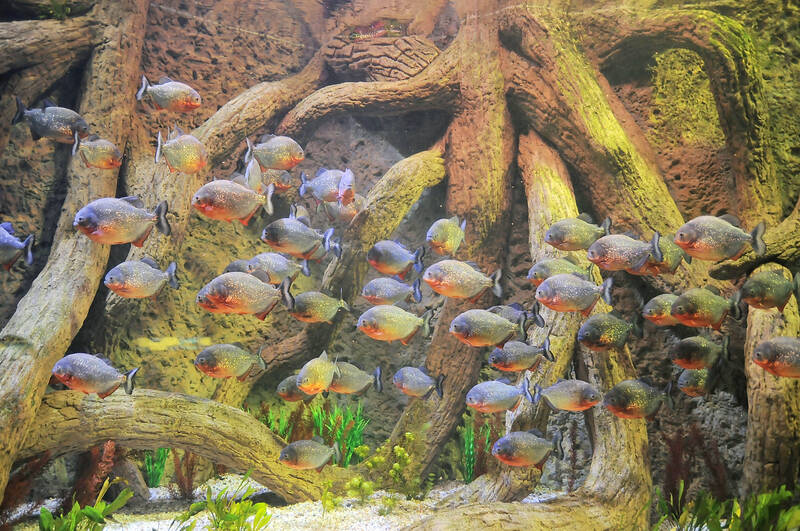
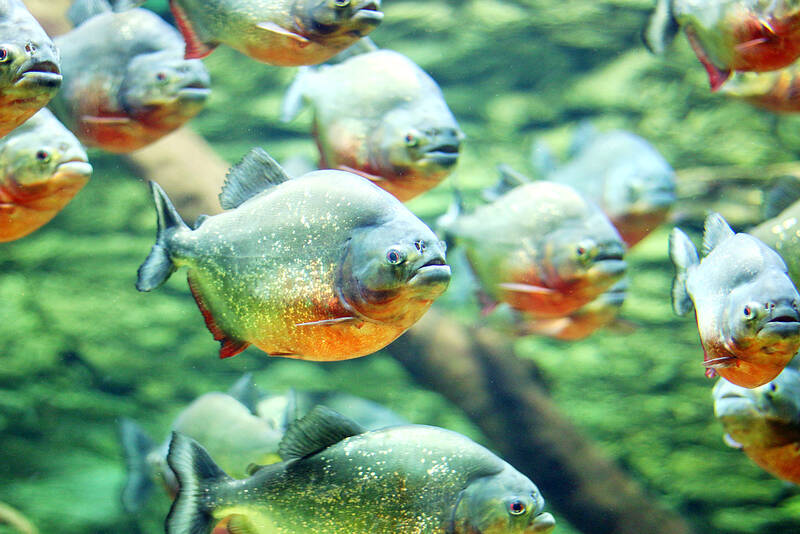
Contrary to popular myth, piranhas don’t attack in frenzied swarms. In fact, they swim in shoals primarily for protection against larger predators, not to overwhelm their prey. They are cautious by nature and are more likely to flee than fight when disturbed. The image of huge schools of piranhas immediately devouring a person or large animal is largely fictional.
Photos: Adobestock I 照片︰Adobestock
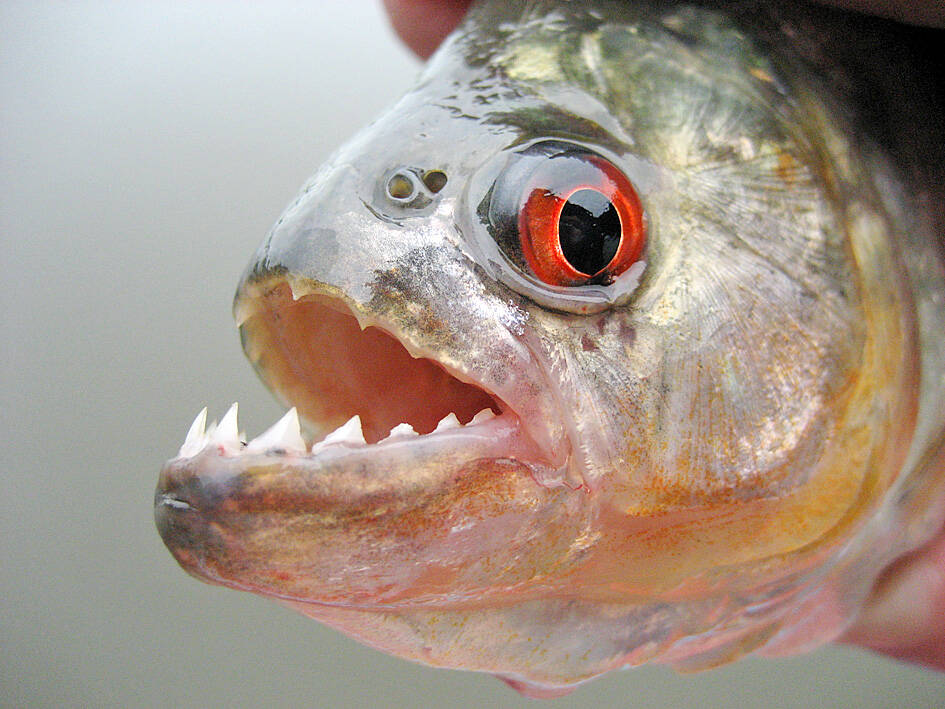
In addition to their misunderstood behavior, piranhas have a surprising way of communicating. They make three main noises: a bark when confronting rivals, a drumbeat when chasing each other, and a croak when biting. These sounds are produced by muscles around their swim bladders. Piranhas often use sound to settle disputes and maintain social order, revealing a more complex side to their nature.
許多人都聽說過亞馬遜河下潛伏著瘋狂食人魚群的誇張故事。有趣的是,正是美國總統希歐多爾.羅斯福幫助推廣了這些故事。他著名的言論是將食人魚稱為「世界上最凶殘的魚」,這鞏固了牠們可怕的名聲。然而,食人魚並不像羅斯福的記述、好萊塢電影和冒險小說所描繪的那樣凶暴。
食人魚並非無情的殺手,牠們通常以幼蟲、昆蟲、小魚和植物為食,有助於維持健康的河流生態系統。不過在水位低、食物少的乾季時,牠們可能會變得更具攻擊性。如果牠們覺得受到威脅時,就可能會咬人,尤其是當人們進入牠們的繁殖區域時。受傷或流血的人也可能會吸引食人魚,因為這種魚對水中的血液氣味非常敏感。不過,食人魚並不會主動捕獵人類,而且一般情況下,除非被激怒,否則牠們會避免正面衝突。
Photos: Adobestock I 照片︰Adobestock
與普遍的迷思相反,食人魚並不會成群結隊瘋狂地發動攻擊。事實上,牠們會成群游泳主要是為了保護自己抵禦更大型的掠食者,而不是為了制服獵物。牠們生性謹慎,受到驚擾時更有可能逃跑而不是戰鬥。大群食人魚立刻吞食一個人或大型動物的形象很大程度上是虛構的。
除了被誤解的行為之外,食人魚還有一種令人驚訝的溝通方式。牠們會發出三種主要的聲音:面對對手時的吠叫聲、互相追逐時的如擊鼓般的聲音,以及咬人時的低沉叫聲。這些聲音是由魚鰾周圍的肌肉所產生。食人魚常利用聲音來解決紛爭、維持社會秩序,展現出其本性中較為複雜的一面。
Words in Use
Photos: Adobestock I 照片︰Adobestock
1. exaggerated a. 誇張的,誇大的
That news article gave an exaggerated account of the incident to attract more readers.
那篇新聞誇大描述該起事件以吸引更多讀者。
2. portray vt. 描繪,描寫
Artists sometimes portray emotion through abstract shapes and colors.
藝術家有時會透過抽象的形狀和顏色來描繪情感。
3. aggressive a. 具攻擊性的;好鬥的
Aggressive behavior in children may indicate underlying emotional issues.
孩童具攻擊性的行為可能代表有潛在的情緒問題。
4. scent n. 氣味,香味
The scent of baking bread drew everyone into the kitchen.
烤麵包的香味把大家都吸引到廚房來了。
5. confrontation n. 正面衝突
confront vt. 面臨,遇到
Confrontation at the protest became serious when neither side backed down.
當那場抗議行動的雙方都不願退讓時,衝突愈演愈烈。
Travelers may confront unexpected challenges in foreign countries.
旅客可能會在異國遇到意外的挑戰。
Practical Phrases
1. feed on. . . (動物)以……為食
Frogs feed on small insects like flies and mosquitoes.
青蛙以像是蒼蠅和蚊子等的小昆蟲為食。
2. be sensitive to. . . 對……很敏感
I’m sensitive to dust, so I have to wear a mask whenever I clean my room.
我對灰塵很敏感,所以每次打掃房間時都必須戴口罩。
3. contrary to. . . 與……相反(的是)
Contrary to critics’ reviews, the movie was a hit.
與影評人的評論相反,那部電影很賣座。
4. by nature 本性,天生地
The teacher is caring by nature, making her popular among her students.
那位老師天生就很關心他人,這讓她很受學生歡迎。
To be continued tomorrow(明日待續)
https://www.taipeitimes.com/News/lang
聽文章朗讀及講解: https://ivy.pse.is/455bfu
本文出自常春藤解析英語雜誌: www.ivy.com.tw

A: Popular humorous Japanese manga series “Chibi Maruko-chan” and “Crayon Shin-chan” will collaborate for their respective 40th and 35th anniversaries, publishing three crossover stories in April. B: Both were made into TV animation series, becoming huge hits in Asia. What are the crossover stories about? A: The first story features Shin-chan and his family visiting Maruko-chan’s hometown, Shizuoka City, where they run into each other. B: Wow, that sounds interesting. And then? A: The follow-ups feature Maruko-chan and her family visiting Shin-chan’s hometown, Kasukabe City. I bet the interactions between the two families will be funny. A: 熱門日本漫畫《櫻桃小丸子》、《蠟筆小新》4月將合作,為紀念小丸子40週年與小新35週年,推出三篇跨界聯動漫畫! B:
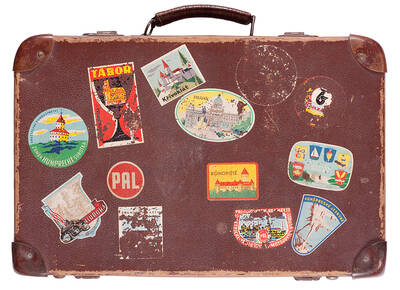
Travel fever is back, and it’s contagious. After years of being kept home during the COVID-19 pandemic, people are once again eager to explore the world. Rather than just book any trip, travelers are getting smarter about how they scratch that travel itch. Microcation Defined as four days or fewer and over 160km away from home, the microcation perfectly matches the post-pandemic mindset. After long periods of remaining indoors, people are making up for lost time by taking short, frequent getaways throughout the year. These brief trips avoid the work-life imbalance that comes with long absences. With only a few days away, one’s
Many consumers are guilty of filling drawers or closets with old laptops, cellphones, fitness trackers and other electronic devices once they are no longer needed. It’s hard to know where to recycle such items, or it seems costly and inconvenient to do so. The world generates millions of tons of electronic waste — also called e-waste — each year. According to the UN’s most recent estimate, people worldwide produced 62 million metric tons of e-waste in 2022, and only about 22 percent of it was properly recycled. The US’ Environmental Protection Agency estimates that less than a quarter of e-waste is

Dos & Don’ts — 想想看,這句話英語該怎麼說? 1. 我們很早到達電影院。 ˇ We arrived at the theater very early. χ We arrived the theater very early. 註︰arrive 為不及物動詞,後面如果有受詞要用 at 或 in。例如:They arrived in Taipei yesterday.。一般大地方,如國家、省、大城市等前面用 in,凡小地方城鎮、學校等則用 at。 2. 開車半小時以後,我們到達了海灘。 ˇ After half an hour’s drive, we got to the beach. χ After half an hour’s drive, we got the beach. 註︰come, go, get(來、去、到達)某地時,在表示地點的名詞前面應該用 to,如 go to school, go to Taipei, come to Shanghai 等。如果這些動詞後面所跟的是 here, there, home 等副詞,則不用 to。 3. 明天我會回辦公室。 ˇ I will be back in the office tomorrow. χ I will be back to office tomorrow. 註︰to be back 一語裡的 back 是副詞,不是介詞,所以後面要用 at (the market) 或 in (the office)。 假如假期結束,要回學校上課了則可說: ? Kids will be back


 RSS
RSS