


對話 Dialogue
清清:咦?怎麼多了一盆這麼可愛的樹?
Qīngqing: Yí? Zěnme duōle yì pén zhème kě’ài de shù?
華華:喔!前幾天我家人領到市政府送的樹苗,我想種在花盆,放在我的座位旁邊,所以今天就帶過來了。
Huáhua: Ō! Qiánjǐtiān wǒ jiārén lǐngdào shìzhèngfǔ sòng de shùmiáo, wǒ xiǎng zhòng zài huāpén, fàngzài wǒde zuòwèi pángbiān, suǒyǐ jīntiān jiù dài guòláile.
清清:怎麼那麼好?市政府為什麼要送樹苗?
Qīngqing: Zěnme nàme hǎo? Shìzhèngfǔ wèishénme yào sòng shùmiáo?
華華:今天3月12號是植樹節啊!政府為了鼓勵大家多種樹,所以就辦活動讓大家一起來為綠化盡一份心力。
Huáhua: Jīntiān sān yuè shí’èr hào shì Zhíshù jié a! Zhèngfǔ wèile gǔlì dàjiā duō zhòng shù, suǒyǐ jiù bàn huódòng ràng dàjiā yìqǐ lái wèi lǜhuà jǐn yí fèn xīnlì.
清清:有綠樹的地方總是讓人心情愉快,而且多吸收芬多精,對身心都有好處。如果到處都有樹,對減少空氣污染也很有幫助。
Qīngqing: Yǒu lǜshù de dìfāng zǒngshì ràng rén xīnqíng yúkuài, érqiě duō xīshōu fēnduōjīng, duì shēnxīn dōu yǒu hǎochù. Rúguǒ dàochù dōu yǒu shù, duì jiǎnshǎo kōngqì wūrǎn yě hěn yǒu bāngzhù.
華華:所以我覺得植樹節雖然不是很大的節日,但是意義非常重大。山坡上種滿了樹,能保護土地、防止土石流,才能讓環境永續發展。
Huáhua: Suǒyǐ wǒ juéde Zhíshù jié suīrán búshì hěn dà de jiérì, dànshì yìyì fēicháng zhòngdà. Shānpō shàng zhòng mǎnle shù, néng bǎohù tǔdì, fángzhǐ tǔshíliú, cái néng ràng huánjìng yǒngxù fāzhǎn.
清清:你真有環保概念!謝謝你讓我分享這盆大自然的禮物!
Qīng qīng: Nǐ zhēnyǒu huánbǎo gàiniàn! Xièxie nǐ ràng wǒ fēnxiǎng zhè pén dàzìrán de lǐwù!
華華:別只是分享,下班後,我們去買樹苗,再多種幾棵,一起響應植樹節吧!
Huáhua: Bié zhǐshì fēnxiǎng, xiàbān hòu, wǒmen qù mǎi shùmiáo, zài duō zhòng jǐ kē, yìqǐ xiǎngyìng Zhíshù jié ba!
翻譯 Translation
Qingqing: Eh? Why is there an extra pot of such lovely plants?
Huahua: Oh! A few days ago, my family received tree saplings from the city government. I thought of planting them in pots and placing them next to my seat, so I brought them over today.
Qingqing: How come the government is so generous, giving away tree saplings?
Huahua: Today is March 12, Arbor Day. The government encourages everyone to plant trees, so they organized activities for everyone to contribute to greening efforts.
Qingqing: Greenery always make people feel happy, and you can also absorb more phytoncides, which is good for both physical and mental health. If there are trees everywhere, it also helps reduce air pollution.
Huahua: That’s why I think Arbor Day, though not a major holiday, is very significant. Planting trees on hillsides can protect the land and prevent mudslides, contributing to sustainable development.
Qingqing: You are really environmentally aware. Thank you for letting me share in this gift from nature.
Huahua: Let’s do more than just share. After work, let’s go buy more saplings and plant them together for Arbor Day!
生詞 Vocabulary
1. 植樹節 (Zhíshù jié) Arbor Day
2. 樹苗 (shùmiáo) sapling
3. 花盆 (huāpén) flower pot
4. 綠化 (lǜhuà) greening, afforestation
5. 芬多精 (fēnduōjīng) phytoncidin
6. 空氣污染 (kōngqì wūrǎn) air pollution
7. 土石流 (tǔshíliú) mudflow, debris flow
8. 響應 (xiǎngyìng) to respond
教材音檔 Audio Files
國立清華大學華語中心提供
By National Tsing Hua University Chinese Language Center:
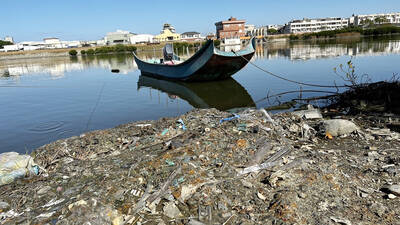
Many consumers are guilty of filling drawers or closets with old laptops, cellphones, fitness trackers and other electronic devices once they are no longer needed. It’s hard to know where to recycle such items, or it seems costly and inconvenient to do so. The world generates millions of tons of electronic waste — also called e-waste — each year. According to the UN’s most recent estimate, people worldwide produced 62 million metric tons of e-waste in 2022, and only about 22 percent of it was properly recycled. The US’ Environmental Protection Agency estimates that less than a quarter of e-waste is
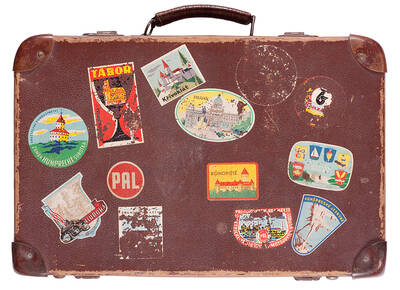
Travel fever is back, and it’s contagious. After years of being kept home during the COVID-19 pandemic, people are once again eager to explore the world. Rather than just book any trip, travelers are getting smarter about how they scratch that travel itch. Microcation Defined as four days or fewer and over 160km away from home, the microcation perfectly matches the post-pandemic mindset. After long periods of remaining indoors, people are making up for lost time by taking short, frequent getaways throughout the year. These brief trips avoid the work-life imbalance that comes with long absences. With only a few days away, one’s

Continued from yesterday(延續自昨日) https://www.taipeitimes.com/News/lang Gig Tripping “Gig tripping” combines concerts with travel. People fly to see their favorite artists perform — usually abroad—and spend a few days sightseeing before or after the show. While die-hard fans have done this since the 1960s, the post-pandemic travel boom changed the game. Even people who aren’t superfans are now booking international concert trips because they want to make the most of travel opportunities. This trend exploded in the US, as the math makes sense. Domestic concert tickets are so costly that flying abroad for the show plus tourism expenses often matches or even beats the price

A: Apart from collaborating on crossover comics, “Chibi Maruko-chan” and “Crayon Shin-chan” will launch co-branded merchandise and pop-up stores this time. B: Actually, you don’t need to fly to Japan. Taipei’s Huashan 1914 Creative Park is hosting multiple anime-themed pop-up stores — including one for Shin-chan. A: Really? What other pop-up shops are there? B: They include stores themed around “Dragon Ball,” “Snoopy,” “Rilakkuma,” “One Piece,” “Jujutsu Kaisen,” “Frieren” and “Chiikawa X Sanrio.” A: Wow, I was just watching the second season of the live-action “One Piece.” We can visit the park during the Tomb-sweeping Day long weekend


 RSS
RSS