


Have you ever been in a foreign land, reaching the end of a delicious meal, but then suddenly realizing that you’re clueless about the local tipping rules? The custom of tipping, although often confusing, is deeply woven into the cultural fabric of societies worldwide.
In Japan, tipping is almost unheard of because of the principle of Shokunin kishitsu, often translated as “craftsman spirit.” It’s a belief that service is a responsibility, making service providers take great pride in offering outstanding care to customers. Instead of monetary tips, the Japanese often express their appreciation through compliments or respectful bows. An exception is in traditional tatami inns, where tips for serving meals are given quietly in decorated envelopes.
In sharp contrast, regions such as North Africa, the Middle East and South Asia regard baksheesh, a form of tipping, as customary for nearly any service. This practice is tied to a tenet of Islam, which encourages giving and suggests that such acts of generosity make the giver more sacred. As a result, service providers in countries like Egypt have grown accustomed to baksheesh. Generous tippers can even receive special treatment, including unexpected access to hidden locations!

Photo courtesy of Freepik / 照片:Freepik 提供
Beyond these contrasting extremes, there are parts of the world where tipping practices strike a moderate stance. In many European countries, such as France and Germany, the decision to tip is optional. Unless a service charge has already been added to the bill or the service was exceptionally poor, a tip typically equals 5–10 percent of the total bill.
Remember, tipping isn’t just about money; it’s a sign of cultural respect. So, when in Rome, do as the Romans do—be it in Tokyo, Cairo or wherever your travels take you.
你是否曾身處異鄉,在享用完一頓美味的餐點時,突然意識到你對於當地的小費規則一無所知?小費的習俗雖然常常令人困惑,但它深深地融入了全球社會的文化結構之中。
在日本,小費幾乎是聞所未聞的,因為秉持著「職人?質」這一原則,它通常被翻譯為「匠人精神」。這是一種認為服務是一種責任的信念,造就服務提供者以提供顧客卓越的照顧為榮。日本人通常不是用金錢給小費,而是透過讚美或恭敬的鞠躬來表達他們的感激。有個例外是在傳統的榻榻米旅館,用餐的小費會放在裝飾過的信封中悄悄地給予。
與此形成鮮明對比的是,像北非、中東和南亞等地區將一種小費形式「baksheesh」,視為幾乎所有服務的慣例。這種做法與伊斯蘭教的一條教義相關,它鼓勵給予,並暗示這種慷慨的行為會使施予者變得更加神聖。因此,埃及等國家的服務提供者已對baksheesh習以為常。慷慨的小費給予者甚至有可能獲得特殊的待遇,包含出乎意料地進入隱藏的地點!
除了這些對比鮮明的極端情況,世界上還有一些地區的小費做法採取溫和的立場。在許多歐洲國家,如法國和德國,是否給小費是可選的。除非帳單中已加收服務費,或者服務特別差,一般的小費通常等於帳單總金額的5-10%。
記住,小費不僅僅是金錢的問題;它是對文化尊重的表現。所以,要入境隨俗,無論你是在東京、開羅,還是在任何你旅行的目的地!
MORE INFORMATION
the fabric of sth (尤指社會或建築物的)構造
monetary adj. 金融的;貨幣的
customary adj. 慣例的;傳統的
tenet n. 教條;宗旨
render v. 使變成
accustomed adj. 習慣的;一慣的
KEY VOCABULARY
1. outstanding adj. 卓越的;傑出的
Willy was praised for his outstanding job on the project.
威利因其在專案中傑出的表現而受到讚揚。
2. appreciation n. 感激;欣賞
This card is a sign of my appreciation for everything you’ve done as my boss.
對於您作為我老闆所做的每件事,這張卡片代表了我的感謝。
3. compliment n. 誇獎;讚美;致意
The manager paid Jenny a high compliment on her presentation ability at the meeting.
經理高度讚賞珍妮在會議上的報告能力。
4. respectful adj. 恭敬的;尊重的
Sam always speaks to his teachers in a respectful tone and shows good manners.
山姆總是以尊敬的口吻對老師說話,展現出他有禮貌。
5. exception n. 例外
exceptionally adv. 特別地;異常地
Many children catch colds frequently when they are young, but according to my mom, I was an exception.
許多孩童在年幼時常常感冒,但是根據我母親的說法,我是個例外。
6. generosity n. 慷慨;大方
Mark’s acts of generosity, such as paying for everyone’s lunch, left a lasting impression on his colleagues.
馬克的慷慨舉動,例如為大家付午餐錢,給他的同事們留下了深刻的印象。
7. access n. 機會;使用權利;途徑
The scholarship gives students access to higher education that they might not otherwise afford.
這個獎學金提供學生們接受高等教育的機會,否則他們可能無法負擔。
8. stance n. 觀點;立場;站立姿勢
The politician’s stance on animal rights has garnered a lot of support among younger voters.
這位政客在動物權益問題上的立場贏得了大量年輕選民的支持。
9. optional adj. 可選擇的;非強制的
Some classes in this program are optional, but others are required.
這個課程裡有一些課是選修的,但其他則是必修的。
學習音檔: https://magazine.english4u.net/Magdata/menu/3dust
《空中美語》雜誌APP免費下載: https://www.english4u.net/apps/index.aspx
免費收聽當月《空中美語》雜誌課文朗讀及解析 !
文章由AMC空中美語授權使用: https://www.english4u.net
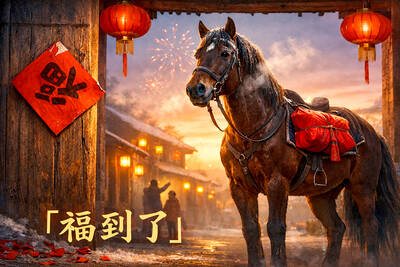
Bilingual Story is a fictionalized account. 雙語故事部分內容純屬虛構。 Just yesterday, the boy had helped hang the lucky red couplets. Tonight, as firecrackers signaled the New Year, he lay in bed burning with a surging fever. The herbalist checked the boy’s pulse and went still. “The only cure is in the county town across the mountains,” he said. “But the snow is deep, and the shops are shuttered until the Fourth Day.” The boy’s father looked at the window. “I will go.” “The roads are impassable for a cart,” the herbalist warned. “And too far for a man on foot.” The concerned neighbor
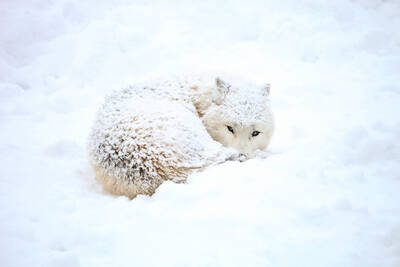
Many animals spend the winter in a deep, low-energy state known as “hibernation.” When food becomes scarce and cold conditions drain body heat, bats, hedgehogs, and some ground squirrels retreat to safe shelters. Their bodies slow down to save energy: heart rates drop, breathing becomes shallow, and body temperature falls. Plenty of preparation goes into hibernation. Shorter days and falling temperatures provoke these animals to eat more and store fat, which sustains the brain and other organs. Inside the body, hormones guide this seasonal change, triggering specific behavior and switching the system to energy-saving mode. Hibernation is not the only winter survival

1. 我沒有兄弟姊妹。 ˇ I have no brother(s) and sister(s). ˇ I don’t have any brothers or sisters. ˇ I have no siblings. χ I have not any brothers or sisters. 註:首句 no 是形容詞,加在名詞前作修飾用,意思等於 don’t have any。I have not any 是彆扭過時的講法,現代英文一般會說 I don’t have any... 或 I have no...。 又如:*In totalitarian countries people have not any freedom. 應改為 people have no freedom. 或 people do not have any freedom. 2 不要怕那隻狗。 ˇ Don’t be afraid of the dog. ˇ Don’t fear the dog. χ Don’t afraid of the dog. 註:afraid 是形容詞,在句中作補語,前面必須加 be 動詞。注意:「我不怕熱」,一般不說 *I’m not afraid of hot weather. 可以說:Hot weather doesn’t bother me. 3. 他準備好了嗎? ˇ Has he got everything

對話 Dialogue 清清:下個星期公司要辦尾牙,你會去參加嗎? Qīngqing: Xià gè xīngqī gōngsī yào bàn wěiyá, nǐ huì qù cānjiā ma? 華華:應該會吧。聽說今年會請大家吃一頓不錯的。 Huáhua: Yīnggāi huì ba. Tīng shuō jīnnián huì qǐng dàjiā chī yí dùn búcuò de. 清清:我第一次參加尾牙,有一點緊張,不知道要做什麼。 Qīngqing: Wǒ dì yī cì cānjiā wěiyá, yǒuyìdiǎn jǐnzhāng, bù zhīdào yào zuò shénme. 華華:不用擔心啦,尾牙主要就是吃飯、聊天,大家放鬆一下。 Huáhua: Búyòng dānxīn la, wěiyá zhǔyào jiù shì chīfàn, liáotiān, dàjiā fàngsōng yíxià. 清清:聽說尾牙還會抽獎,是真的嗎? Qīngqing: Tīng shuō wěiyá hái huì chōujiǎng, shì zhēn de ma? 華華:對啊,有些公司獎品還不錯,所以很多人都很期待。 Huáhua: Duì a, yǒuxiē gōngsī de jiǎngpǐn hái búcuò, suǒyǐ hěn duō rén dōu hěn qídài. 清清:那如果不去,會不會不太好? Qīngqing: Nà rúguǒ bú qù, huì bú huì bú tài hǎo? 華華:通常不會勉強,不過去參加比較有機會跟同事拉近關係。 Huáhua: Tōngcháng bú huì miǎnqiǎng, búguò qù cānjiā bǐjiào yǒu jīhuì gēn tóngshì


 RSS
RSS