


The experience of surfing is unique and hard to describe in words. Surfing involves riding waves on a surfboard and can be done in the ocean, rivers and even artificial wave pools. Surfers, as they are called, are often portrayed as people who are risk takers, free-spirited, and in touch with nature.
The history of surfing dates back to ancient Polynesia, where it was a way to get from one area to another. It wasn’t until the early 20th century that surfing became popular in the Western world, and since then, it has grown into a universal phenomenon. Today, surfing is enjoyed by millions around the world, with many world-class competitions taking place every year.
If you’re interested in learning to surf, there are a few basic steps to follow. First, paddle out to the surf line where the waves are breaking. Next, watch for waves rolling in, and then paddle quickly to catch the rising wave. As the wave propels you forward, stand up on the surfboard and ride the wave as it breaks toward the shore. To exit the wave, simply step off the board and paddle back out to the surf line to catch another wave.
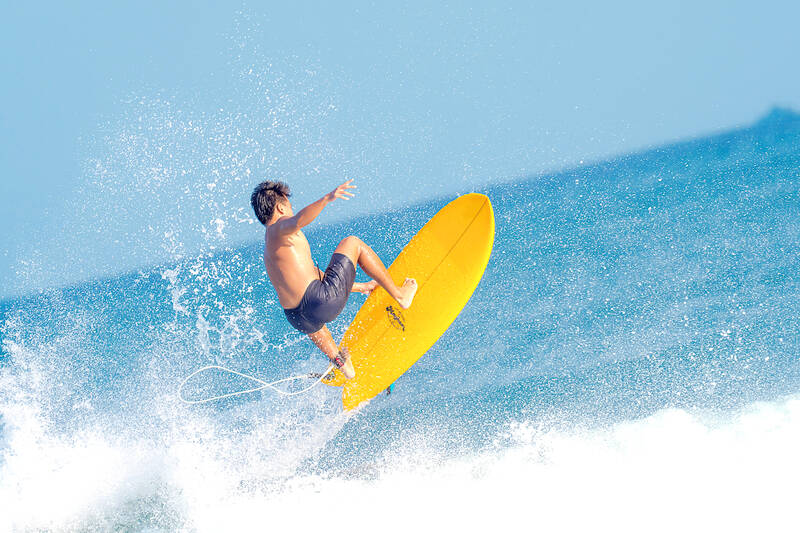
Photo courtesy of Unsplash / 照片:Unsplash提供
To surf, you need the proper equipment, including a surfboard and a leash that attaches to your ankle and to the board. Surf wax and traction pads are also required to make the board less slippery and give you grip. There are different types of surfboards to choose from, but the most common are longboards and shortboards. Longboards are great for beginners because they are more buoyant and stable, while shortboards allow for greater control and are used by experienced surfers.
In Taiwan, surfing is a year-round sport because of the island’s location and favorable climate. Donghe, Taitung, is a popular destination for surfers, and is home to Taiwan’s National Surf Competition. The beaches of Kenting, Yilan, and Hualien are also great places to catch some waves.
Surfing along the coast of Taiwan, with the sun setting over the mountains in the distance, is a surfer’s dream. So, snatch up your surfboard, wax it up and hit the waves!
衝浪的體驗是獨特的,很難用言語形容。衝浪指的是站在衝浪板上乘風破浪,可於海洋、河川甚至是人造浪池中進行。所謂的衝浪者,常被描繪成喜愛冒險、自由奔放且熱愛與大自然接觸的人。
衝浪的歷史可以追溯至古代的玻里尼西亞,當時衝浪是一種從一個地區到另一個地區的交通方式。直到西元 20 世紀初,衝浪才在西方世界流行起來,從此之後,它已經發展成為一種普遍的現象。如今,全世界有數百萬人享受著衝浪,每年都有許多世界級的競賽在舉行。
如果你有興趣學習衝浪,有一些基本步驟要遵循。首先,划水到海浪線,也就是浪潮破浪的地方。接下來,觀察浪潮推進的情況,然後迅速划動衝浪板,追逐即將形成的浪潮。當浪潮推動你向前時,立即從衝浪板上起身,隨著浪潮向岸邊衝浪。要離開浪潮,只需簡單地從板子上下來然後划回海浪線,迎接下一波浪潮。
要進行衝浪,你需要合適的裝備,包含衝浪板以及將你腳踝繫於板上的腳繩。還需要使用衝浪蠟與止滑墊,減少衝浪板的滑動,提供你更好的抓力。有不同類型的衝浪板可供選擇,但最常見的是長板和短板。長板對於初學者來說非常適合,因為它們浮力更大且更穩定,而短板則允許更大的控制性,因此適合被經驗豐富的衝浪者所使用。
在臺灣,由於島嶼位置和宜人的氣候條件,衝浪是一項全年皆宜的運動。臺東東河是衝浪者的熱門景點,也是臺灣國際衝浪公開賽的舉辦地點。墾丁、宜蘭和花蓮的海灘也都是衝浪的好去處。
沿著臺灣的海岸衝浪,享受著遠處山峰夕陽下山時的美景,是衝浪愛好者的夢想。所以,拿起你的衝浪板,抹上蠟,開始享受海浪吧!
MORE INFORMATION
Polynesia n. 玻里尼西亞(中太平洋由多個島嶼組成的文化區域)
propel vt. 推進;推動
leash n. 拴繩;皮帶
traction n. 摩擦力;牽引(力)
buoyant adj. 可浮起的;浮力的
KEY VOCABULARY
1. portray vt. 描述;描繪
The painting portrays a peaceful countryside scene with a cottage and a stream.
這幅畫描繪了一幕寧靜的鄉村場景,有一間小屋和一條小溪。
2. be / get in touch with sth / sb 與……接觸/聯繫
On our travels, we should get in touch with the local culture and people to learn more interesting things.
在旅途中,我們應該多接觸當地文化和人民來學習更多有趣的事情。
3. universal adj. 普遍的;共同的
The Internet has become a universal tool for communication and information sharing.
網路已成為通訊和共享資訊的普遍工具。
4. phenomenon n. 現象
The popularity of social media is a cultural phenomenon of the modern age.
社群媒體的普及是現代的一種文化現象。
5. equipment n. 裝備;設備
The camping trip requires a lot of equipment, including tents, sleeping bags and cooking supplies.
露營旅行需要許多裝備,包含帳篷、睡袋和烹飪用具。
6. attach v. 連接;附上;固定
attach A to B 把A連接或依附在B上
Be sure to attach the safety rope to your harness before rock climbing.
攀岩前務必將安全繩繫在你的背帶上。
7. favorable adj. 有利的;良好的;贊同的
The favorable weather conditions allowed us to have a great day at the beach.
有利的天氣條件讓我們在海灘上度過了美好的一天。
8. be home to 是……的故鄉/所在地
New York City is home to many famous landmarks and attractions.
紐約市是許多著名地標和景點的所在地。
9. snatch v. 抓住;搶奪
The eagle snatched the fish from the water with its sharp claws.
老鷹用其銳利的爪子從水中抓住了魚。
學習音檔: https://magazine.english4u.net/Magdata/menu/qg3ey
《空中美語》雜誌APP免費下載: https://www.english4u.net/apps/index.aspx
免費收聽當月《空中美語》雜誌課文朗讀及解析 !
文章由AMC空中美語授權使用: https://www.english4u.net
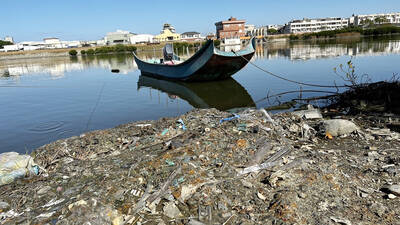
Many consumers are guilty of filling drawers or closets with old laptops, cellphones, fitness trackers and other electronic devices once they are no longer needed. It’s hard to know where to recycle such items, or it seems costly and inconvenient to do so. The world generates millions of tons of electronic waste — also called e-waste — each year. According to the UN’s most recent estimate, people worldwide produced 62 million metric tons of e-waste in 2022, and only about 22 percent of it was properly recycled. The US’ Environmental Protection Agency estimates that less than a quarter of e-waste is
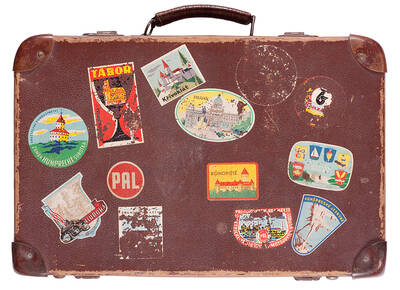
Travel fever is back, and it’s contagious. After years of being kept home during the COVID-19 pandemic, people are once again eager to explore the world. Rather than just book any trip, travelers are getting smarter about how they scratch that travel itch. Microcation Defined as four days or fewer and over 160km away from home, the microcation perfectly matches the post-pandemic mindset. After long periods of remaining indoors, people are making up for lost time by taking short, frequent getaways throughout the year. These brief trips avoid the work-life imbalance that comes with long absences. With only a few days away, one’s
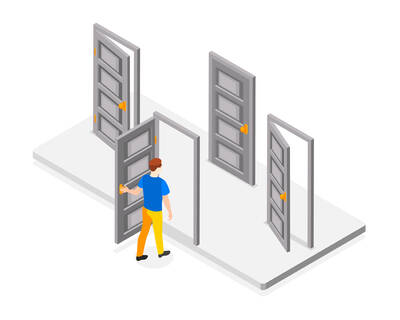
You’re sitting in class when a classmate asks to borrow a pencil. It seems like a small favor, so you agree without hesitation. The following week, the same classmate asks to share your notes. Later, they request help with a group project. You agree each time — after all, you helped out the first time — but before you know it, it has become automatic. This scenario demonstrates the “foot-in-the-door technique,” a psychological concept that shows how agreeing to small, acceptable demands makes it easier to accept larger ones later on. The name for this strategy comes from door-to-door

Continued from yesterday(延續自昨日) https://www.taipeitimes.com/News/lang Gig Tripping “Gig tripping” combines concerts with travel. People fly to see their favorite artists perform — usually abroad—and spend a few days sightseeing before or after the show. While die-hard fans have done this since the 1960s, the post-pandemic travel boom changed the game. Even people who aren’t superfans are now booking international concert trips because they want to make the most of travel opportunities. This trend exploded in the US, as the math makes sense. Domestic concert tickets are so costly that flying abroad for the show plus tourism expenses often matches or even beats the price


 RSS
RSS