


It’s a natural treat loved by people around the world. For a lot of moviegoers, a night out at the cinema wouldn’t be the same without it. Many adults and kids also delight in making it at home to snack on. After all, it’s hard not to love a food that explodes. But why exactly does popcorn blow up and turn into something delicious?
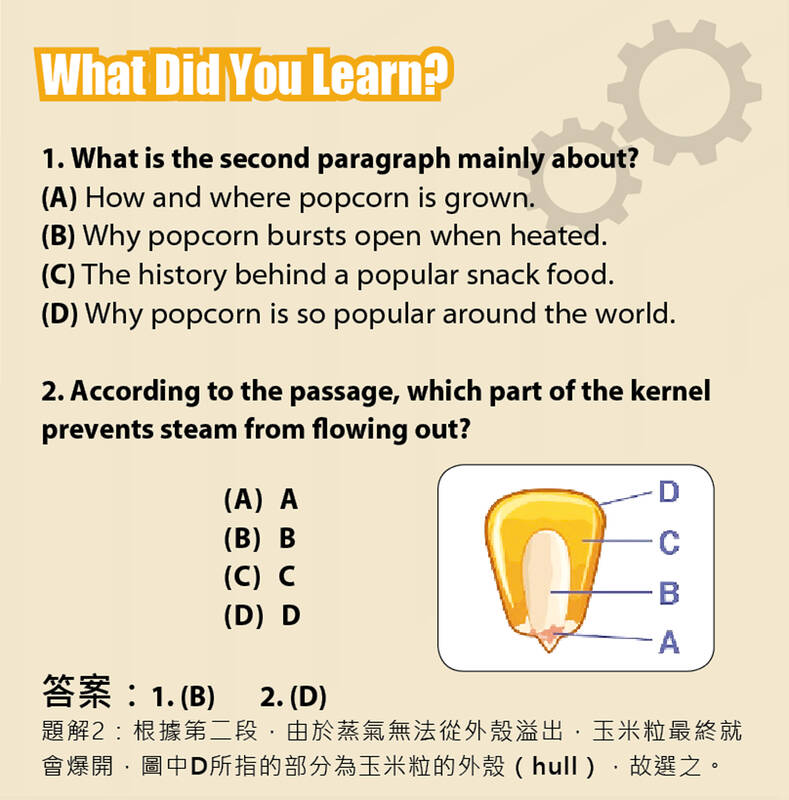
In fact, the science behind popcorn is fairly simple. With popcorn, there are three main factors at work. Firstly, the kernel, or seed, of popcorn contains a small amount of water, along with a large amount of starch. Secondly, the outer shell of the kernel, which is called the hull, is strong and traps water inside it. Thirdly, when heated enough, the water expands into steam. This steam makes the starch softer. It also produces pressure inside the kernel. Since the steam cannot escape from the hull, it eventually explodes. When that happens, the kernel basically turns inside out.
Does all corn act this way? No, the corn that people commonly eat is a variety known as sweet corn. No matter how long someone leaves sweet corn on a barbecue or in an oven, it won’t burst into little puffs. The popcorn people eat comes from a variety of corn that is itself called popcorn.
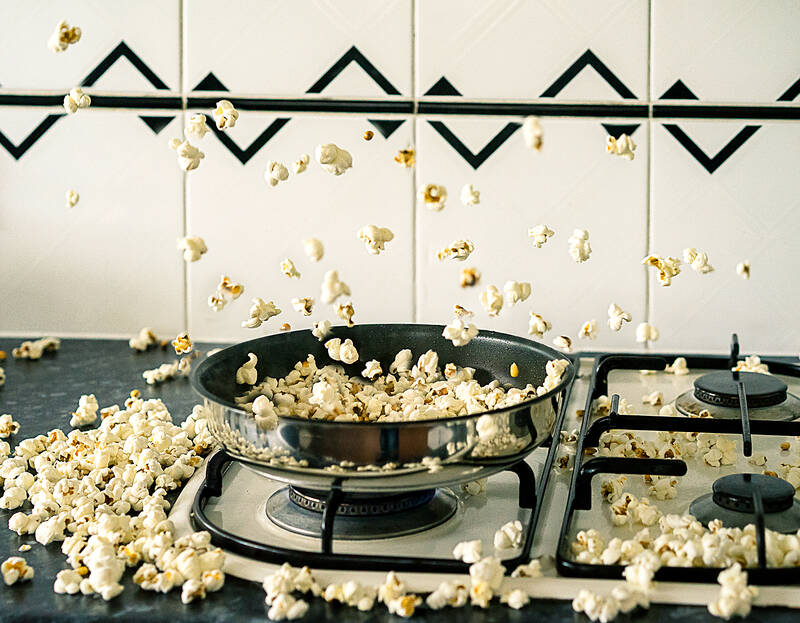
Photo courtesy of shutterstock I 照片:shutterstock 提供
Another interesting fact about popcorn is related to the reason that it makes a bang when it pops. It was once thought that the sound came from the kernel breaking. However, scientists discovered it is actually due to the sudden release of water vapor from the kernel. In other words, this swift change in air pressure produces the popping sound.
它是一種受到世界各地人們喜愛的天然美味食物。對很多常去看電影的人來說,如果沒有它,在電影院的夜晚就會有所不同。許多大人和小孩也喜歡在家裡做這道點心吃。畢竟,很難不愛上會爆開的食物。但爆米花究竟為什麼會爆,並變成美味的東西呢?
事實上,爆米花背後的科學原理相當簡單。這當中有三個主要因素影響著。首先,爆米花的玉米粒(或種子)含有少量的水分和大量的澱粉。其次,玉米粒的外殼(hull)很結實,會把水分存在裡頭。第三,當加熱至夠熱時,水會膨脹成蒸氣。這些蒸氣使澱粉變得較軟。它還會在玉米粒內部產生壓力。由於蒸氣無法從外殼溢出,外殼最終就爆開了。這種情況發生時,玉米粒基本上就會外翻過來。
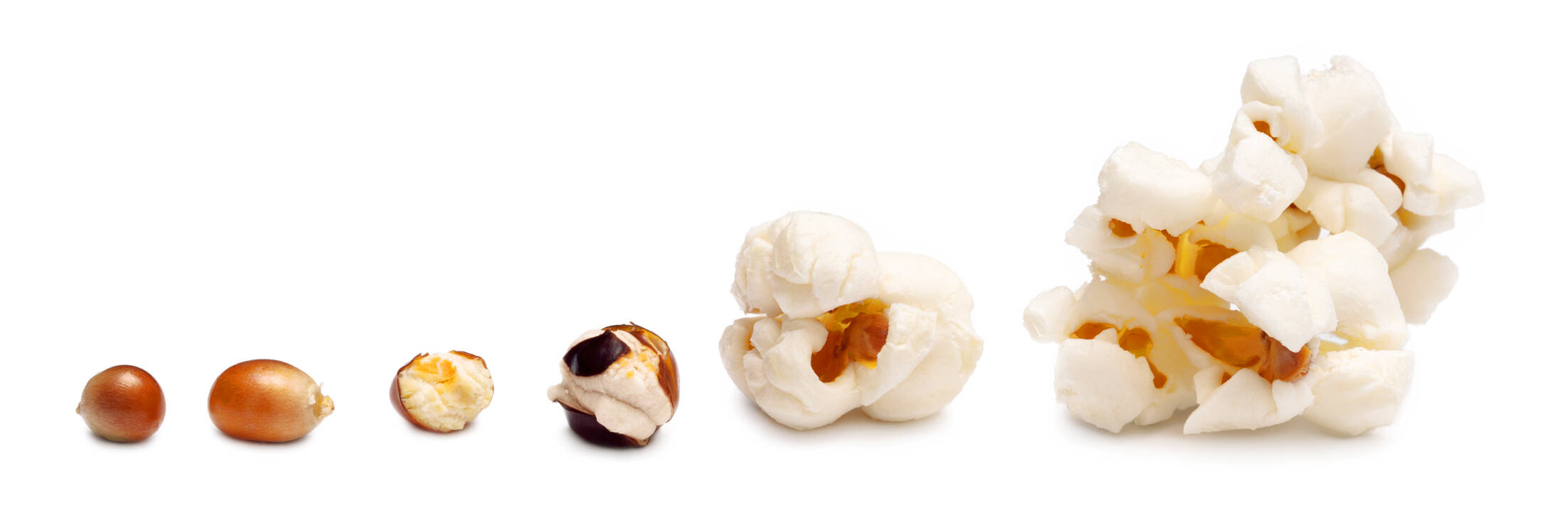
Photo courtesy of shutterstock I 照片:shutterstock 提供
所有的玉米都會這樣嗎?不,一般人們常吃的玉米是一種被稱為甜玉米的品種。無論將甜玉米放在烤肉架上或烤箱中多久,它都不會爆裂成蓬鬆的米花。人們吃的爆米花來自一種本身叫做爆米花的玉米品種。
另一個關於爆米花的有趣事實是關乎爆米花爆裂時產生砰砰聲的原因。曾有人認為,這個聲音是因為玉米粒破裂。然而,科學家發現,事實上砰砰聲是因為玉米粒中突然釋放的水蒸氣。換句話說,是這種氣壓的迅速變化產生了爆裂聲。
Words in Use

Photo courtesy of shutterstock I 照片:shutterstock 提供
1. delight vi. & n. 高興,欣喜
delight in. . . 喜歡(做)…,以…為樂
= take delight in. . .
Emily really delights in playing the piano.
艾蜜莉真的很喜歡彈鋼琴。
2. explode vi. 爆炸
= blow up
My can of soda exploded in the freezer.
我放在冷凍庫裡的罐裝汽水爆開來了。
3. fairly adv. 相當地;頗
John did fairly well in the speech contest and got a good score.
約翰在演講比賽中的表現相當不錯,得到很好的成績。
4. factor n. 因素
The controversial issue was complicated by many factors.
諸多因素使得這項具爭議性的問題更加複雜。
Practical Phrases
1. snack on. . . 吃…(當點心)
snack vi. 吃點心; n. 點心
Wally likes to snack on potato chips and soft drinks. 瓦利喜歡吃洋芋片和喝汽水。
2. at work 起作用,產生影響
Rock formations are a perfect example of weathering at work. 岩石的的形成是風化作用產生影響的最佳範例。
* weathering n. 風化(作用)
3. escape from. . . 逃離…
However hard it tried, the bird couldn’t escape from the cage.
這隻鳥無論多努力嘗試,都無法逃出鳥籠。
4. inside out 裡外顛倒地
Henry went out hurriedly and didn’t notice that he was wearing his coat inside out.
亨利匆忙出門,沒注意到自己將外套穿反了。
聽文章朗讀及講解: https://ivy.pse.is/455bfu
本文出自常春藤解析英語雜誌: www.ivy.com.tw
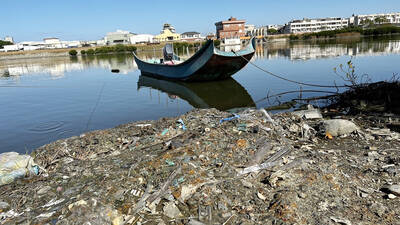
Many consumers are guilty of filling drawers or closets with old laptops, cellphones, fitness trackers and other electronic devices once they are no longer needed. It’s hard to know where to recycle such items, or it seems costly and inconvenient to do so. The world generates millions of tons of electronic waste — also called e-waste — each year. According to the UN’s most recent estimate, people worldwide produced 62 million metric tons of e-waste in 2022, and only about 22 percent of it was properly recycled. The US’ Environmental Protection Agency estimates that less than a quarter of e-waste is
You’re sitting in class when a classmate asks to borrow a pencil. It seems like a small favor, so you agree without hesitation. The following week, the same classmate asks to share your notes. Later, they request help with a group project. You agree each time — after all, you helped out the first time — but before you know it, it has become automatic. This scenario demonstrates the “foot-in-the-door technique,” a psychological concept that shows how agreeing to small, acceptable demands makes it easier to accept larger ones later on. The name for this strategy comes from door-to-door

A: The four-day Tomb Sweeping Day long weekend begins Friday and will run until Monday. Are you going to sweep your ancestors’ tombs? B: I did in advance last weekend, so I can go to Kaohsiung to see the musical “The Phantom of the Opera.” A: Wow, is “Phantom” touring Taiwan again? It debuted in 1986, so this year marks the 40th anniversary of the show. B: And it’s not just touring Kaohsiung starting March 31, but also Taipei starting April 21 and Taichung starting May 26. A: “Phantom” is one of the world’s Four Major Musicals. I’ve seen all of them, except “Les

對話 Dialogue 清清:這禮拜又有連假了,這次一共放四天。 Qīngqing: Zhè lǐbài yòu yǒu liánjià le, zhè cì yígòng fàng sì tiān. 華華:你是要過兒童節還是清明節? Huáhua: Nǐ shì yào guò Értóng jié háishì Qīngmíng jié? 清清:都要過啊!不管幾歲,都要有童心,才能永遠都年輕,知道嗎? Qīngqing: Dōu yào guò a! Bùguǎn jǐ suì, dōu yào yǒu tóngxīn, cái néng yǒngyuǎn dōu niánqīng, zhīdào ma? 華華:好啦!能當個長不大的孩子也好,就不會有那麼多煩惱了。 Huáhua: Hǎo la! Néng dāng ge zhǎngbúdà de háizi yě hǎo, jiù bú huì yǒu nàme duō fánnǎo le. 清清:還好春天有這兩個節假日,常常可以變成連假休息一下。 Qīngqing: Háihǎo chūntiān yǒu zhè liǎng ge jiéjiàrì, chángcháng kěyǐ biànchéng liánjià xiūxi yíxià. 華華:對啊!上禮拜我已經先跟家人去掃墓了,就怕清明節當天人太多。 Huáhua: Duì a! Shàng lǐbài wǒ yǐjīng xiān gēn jiārén qù sǎomù le, jiù pà Qīngmíng jié dāngtiān rén tài duō. 清清:親人雖然過世了,但有清明節掃墓的習俗,讓我們在不同的世界還是能「聚」一下、說說話,真的很有意義。 Qīngqing: Qīnrén suīrán guòshì le, dàn yǒu Qīngmíng jié


 RSS
RSS