


According to a recent job posting, Canadian confectionery company Candy Funhouse is on the hunt for the world’s first Chief Candy Officer, with a salary of up to 100,000 Canadian dollars (NT$ 2.38 million) per year. Turns out it is possible to eat candy for a living!
According to National Public Radio (NPR), the job posting on LinkedIn — the social platform for professionals — reads: “Do you love all things candy and chocolate? Are you passionate about confectionary treats and exploring unreleased and existing products? If so, this is the perfect position for you!”
The Ontario-based company said the position pays 100,000 Canadian dollars annually. The job can be a remote working position, or based at the company’s Canada or New Jersey offices.

Photo: Pixabay 照片: Pixabay
The chief candy officer (CCO) will serve as head taste tester and try over 3,500 products each month. Aside from eating about 113 pieces of candy a day, the CCO will be leading the company’s candy strategy, run candy board meetings and have a say in which products Candy Funhouse will produce.
Applicants can be as young as five years old and must reside in North America. The deadline to apply is Aug. 31. No previous experience is needed.
The article reminds people that the position would no doubt involve excessive consumption of sugar, which the World Health Organization recommends limiting to 10 percent of one’s daily calories. Excess sugar consumption can increase the risk of Type 2 diabetes and heart disease.
(Translated by Rita Wang, Taipei Times)
根據近來一則徵才訊息,加拿大零食公司Candy Funhouse在找「糖果長」,年薪十萬加元(約新台幣兩百三十八萬元),有糖吃又有錢拿。
美國全國公共電台網站報導,職場社交平台領英上的徵才訊息問道:「你喜歡各種糖果和巧克力嗎?你熱愛糖果零食且想探索未上市和現有產品嗎?如果是,這會是你的理想職位。」
這家總部設於加拿大安大略的公司說,這個職位年薪十萬加元,可以遠距工作,或在公司設於加拿大或美國新澤西的辦公室工作。
糖果長將是首席試吃員,每月試吃大約三千五百種產品味道。除了平均一天試吃大約一百一十三種糖果,糖果長將主管公司的糖果策略,主持糖果委員會會議,對於公司將生產哪些產品有發言權。
年滿五歲即可應徵,無經驗也沒關係,但必須住在北美洲。應徵截止日期是八月三十一日。
報導提醒,這個職位很可能會讓人食糖過量。世界衛生組織建議每日的糖攝取量在總熱量的百分之十以下,過量會增加第二型糖尿病和心臟病的風險。
(中央社)

A: Popular humorous Japanese manga series “Chibi Maruko-chan” and “Crayon Shin-chan” will collaborate for their respective 40th and 35th anniversaries, publishing three crossover stories in April. B: Both were made into TV animation series, becoming huge hits in Asia. What are the crossover stories about? A: The first story features Shin-chan and his family visiting Maruko-chan’s hometown, Shizuoka City, where they run into each other. B: Wow, that sounds interesting. And then? A: The follow-ups feature Maruko-chan and her family visiting Shin-chan’s hometown, Kasukabe City. I bet the interactions between the two families will be funny. A: 熱門日本漫畫《櫻桃小丸子》、《蠟筆小新》4月將合作,為紀念小丸子40週年與小新35週年,推出三篇跨界聯動漫畫! B:
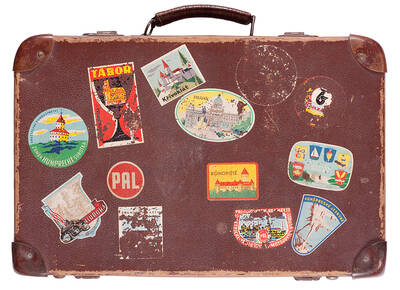
Travel fever is back, and it’s contagious. After years of being kept home during the COVID-19 pandemic, people are once again eager to explore the world. Rather than just book any trip, travelers are getting smarter about how they scratch that travel itch. Microcation Defined as four days or fewer and over 160km away from home, the microcation perfectly matches the post-pandemic mindset. After long periods of remaining indoors, people are making up for lost time by taking short, frequent getaways throughout the year. These brief trips avoid the work-life imbalance that comes with long absences. With only a few days away, one’s

Many consumers are guilty of filling drawers or closets with old laptops, cellphones, fitness trackers and other electronic devices once they are no longer needed. It’s hard to know where to recycle such items, or it seems costly and inconvenient to do so. The world generates millions of tons of electronic waste — also called e-waste — each year. According to the UN’s most recent estimate, people worldwide produced 62 million metric tons of e-waste in 2022, and only about 22 percent of it was properly recycled. The US’ Environmental Protection Agency estimates that less than a quarter of e-waste is

Dos & Don’ts — 想想看,這句話英語該怎麼說? 1. 我們很早到達電影院。 ˇ We arrived at the theater very early. χ We arrived the theater very early. 註︰arrive 為不及物動詞,後面如果有受詞要用 at 或 in。例如:They arrived in Taipei yesterday.。一般大地方,如國家、省、大城市等前面用 in,凡小地方城鎮、學校等則用 at。 2. 開車半小時以後,我們到達了海灘。 ˇ After half an hour’s drive, we got to the beach. χ After half an hour’s drive, we got the beach. 註︰come, go, get(來、去、到達)某地時,在表示地點的名詞前面應該用 to,如 go to school, go to Taipei, come to Shanghai 等。如果這些動詞後面所跟的是 here, there, home 等副詞,則不用 to。 3. 明天我會回辦公室。 ˇ I will be back in the office tomorrow. χ I will be back to office tomorrow. 註︰to be back 一語裡的 back 是副詞,不是介詞,所以後面要用 at (the market) 或 in (the office)。 假如假期結束,要回學校上課了則可說: ? Kids will be back


 RSS
RSS