


During the COVID-19 pandemic, the government has been promoting frequent hand washing, so many people carry dry hand sanitizer or alcohol disinfectant around with them. Pulmonologist and critical care medicine physician Ooi Hean says that dry hand sanitizer or 75 percent alcohol cannot take the place of hand washing with soap, because alcohol cannot eliminate all viruses.
On his Facebook page, Ooi says that alcohol with a concentration of 70 percent to 95 percent can break down the viral membrane of SARS-CoV-2 and render it harmless. He recommends that when you cannot wash your hands properly, you can sanitize them with alcohol, but that does not mean that all viruses and bacteria will disappear by rubbing with 75 percent alcohol.
Ooi says that enterovirus, norovirus, rhinovirus, poliovirus, hepatitis A virus, foot-and-mouth disease virus and human papillomavirus cannot be eliminated by alcohol, and neither can bacteria such as Bacillus or parasites such as Cryptosporidium.
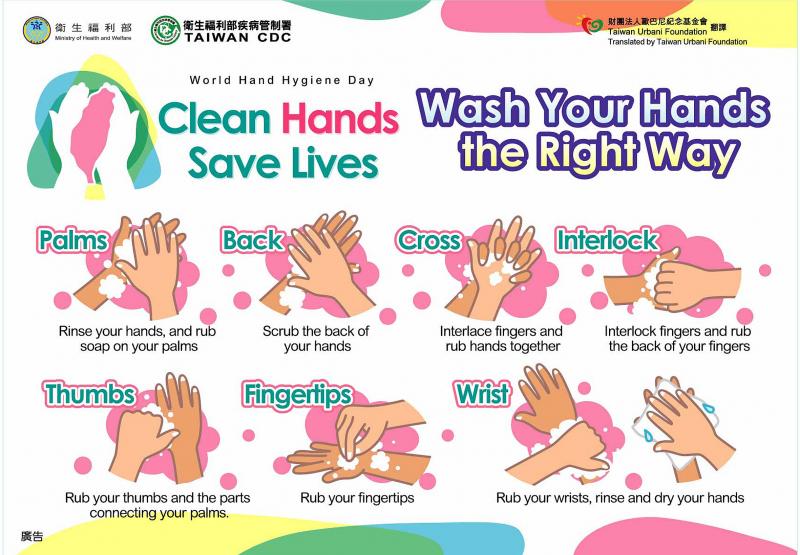
Photo courtesy of Taiwan CDC 照片:衛福部疾病管制署提供
He says that “regular hand washing” means washing them with soap and water, which will help you avoid spreading the viruses and bacteria that alcohol cannot eliminate to your family members or other people. Ooi said that rubbing your hands with 75 percent alcohol hand is only for emergency use when there is no soap available, and it cannot completely replace washing your hands with soap in your daily life.
(Liberty Times, translated by Julian Clegg)
武漢肺炎(新冠病毒,COVID-19)疫情期間政府宣導勤洗手,因此許多人會隨身攜帶乾洗手或消毒酒精。對此,胸腔暨重症專科醫師黃軒指出,乾洗手與百分之七十五的酒精都不能取代肥皂洗手,因為酒精不能消除所有病毒。
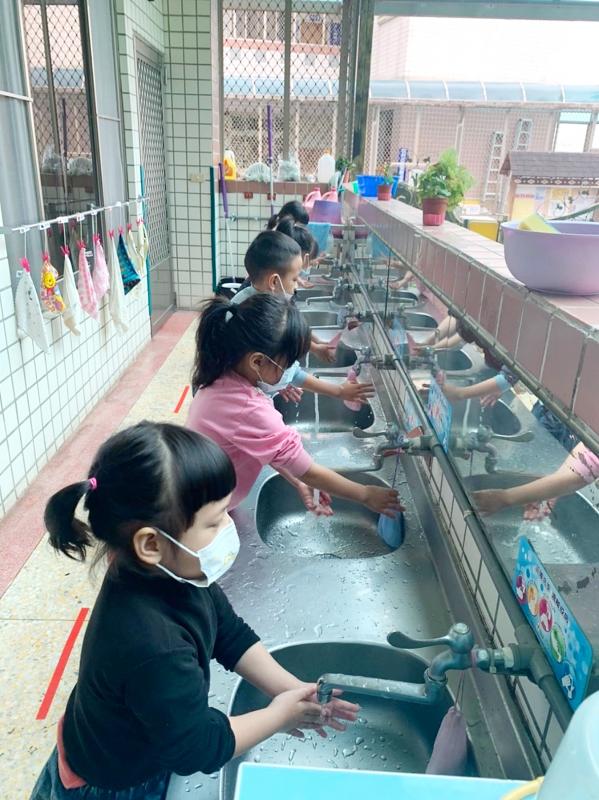
Photo courtesy of the Hualien County Health Bureau照片:花蓮縣衛生局提供
黃軒在臉書粉專發文說明,濃度介於百分之七十至九十五之間的酒精,能破壞SARS-CoV-2病毒的病毒膜,使其失去毒性。因此建議,在無法確實洗手的時候,可以利用酒精來消毒,但不代表所有病毒、細菌在百分之七十五的酒精搓揉下,也會全部消失。
黃軒進一步說明,腸病毒、諾羅病毒、鼻病毒、小兒麻痺病毒、A肝病毒、口蹄疫病毒、人類乳突病毒、還有細菌像芽胞桿菌、寄生蟲像隱孢子蟲,都是酒精無法消除的。
黃軒提醒,「勤洗手」是真的要用肥皂和水洗,也只有這樣才不會把酒精無法消除的病毒、細菌,帶給家屬或別人。他強調,百分之七十五的酒精擦手是不易取得肥皂下,才用來應急,而不是在生活上完全取代用肥皂洗手。
(自由時報)

Have you ever found yourself desperately feeding coins into a claw machine just because you’ve already spent so much trying to win that stuffed animal? Or maybe you’ve continued watching a boring movie simply because you already paid for the ticket? If so, you’ve experienced the “sunk cost fallacy.” A sunk cost refers to time, money or effort that has already been spent and cannot be recovered. This psychological trap is surprisingly common. You might keep playing a video game you no longer enjoy because you’ve invested countless hours in building your character, or maintain a toxic friendship because you’ve known

A: Which TV drama series have been global hits so far this year? B: The US drama “Stranger Things 5,” South Korean drama “Can This Love Be Translated?” and Chinese megahit “Pursuit of Jade” are all popular lately. A: Isn’t “Pursuit of Jade” the costume idol drama about the romance between a charming marquis and a pig-slaughterer? Actor Zhang Linghe and actress Tian Xiwei are both so attractive. B: Plus, Netflix’s Korean-Japanese gay romance drama “Soul Mate” — starring Korea’s Ok Taec-yeon and Japan’s Hayato Isomura — is set to premiere in May. A: These hit international dramas
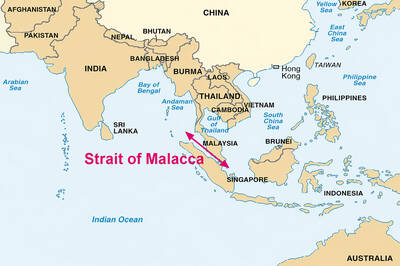
The closure of the Strait of Hormuz has forced policymakers in Asia to face questions over the security of other maritime chokepoints, including the Strait of Malacca, which is the world’s busiest waterway for international trade. WHAT IS THE MALACCA STRAIT? The 900km long Malacca Strait, bounded by Indonesia, Thailand, Malaysia and Singapore, provides the shortest sea route from East Asia to the Middle East and Europe. It carries nearly 22 percent of the world’s maritime trade, according to the Center for Strategic and International Studies (CSIS). This includes oil and gas shipments from the Middle East to the energy-hungry economies of China,
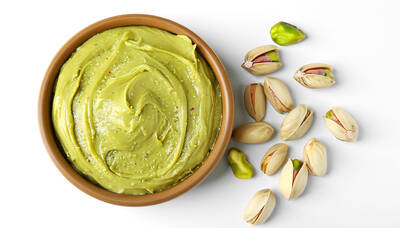
It seems like every year, new foods or drinks start trending and suddenly show up everywhere. A decade ago, avocado __1__ restaurant menus, while oat milk became the must-have addition to your coffee in cafes around five years back. The latest trend to hit this list is the pistachio. This flavorful green nut now features in everything from chocolate bars to Indian curries. While pistachios have long played a central role in certain regional cuisines, their recent global __2__ can be traced to Dubai. There, a specialty chocolate shop went __3__ on TikTok for one of its chocolate bars


 RSS
RSS