


Nearly 200 nations agreed to adopt the Glasgow Climate Pact on Saturday after more than two weeks of intense negotiations at COP26 in Glasgow, UK.
The agreement acknowledges that commitments made by countries so far to cut emissions of planet-heating greenhouse gases are nowhere near enough to prevent global warming from exceeding 1.5 degrees above pre-industrial temperatures.
To attempt to solve this, it asks governments to strengthen those targets by the end of next year, rather than every five years, as previously required.
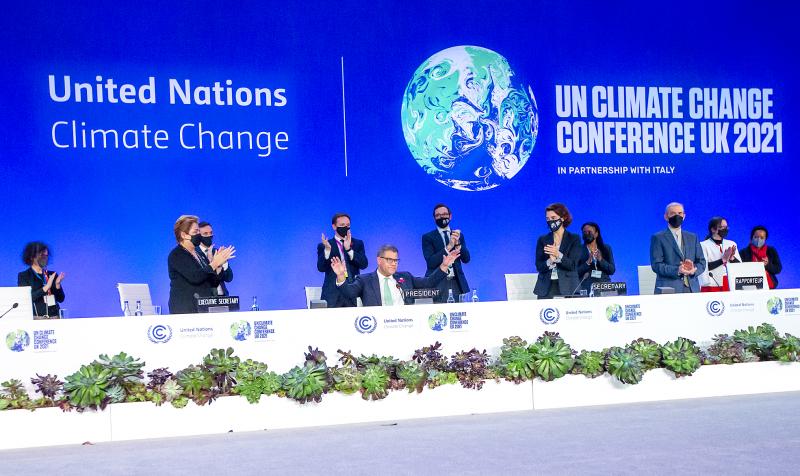
Photo: EPA-EFE 照片:歐新社
Failure to set, and meet, tougher emissions-cutting goals would have huge consequences. Scientists say that to go beyond a rise of 1.5?C would unleash extreme sea level rise and catastrophes including crippling droughts, monstrous storms and wildfires far worse than those the world is already suffering.
TARGETING FOSSIL FUELS
The pact for the first time includes language that asks countries to reduce their reliance on coal and roll back fossil fuel subsidies, moves that would target the energy sources that scientists say are the primary drivers of anthropogenic climate change.
The wording was contentious, though. Just before the Glasgow deal was adopted, India requested that the deal call on countries to “phase down,” instead of “phase out,” unabated coal. That minor word change triggered a lot of angst in the plenary hall, but delegations agreed to the request to save the deal.
PAYMENTS TO POOR AND VULNERABLE NATIONS
The deal made some headway on the demands from poor and vulnerable countries that wealthy countries responsible for most emissions pay up.
It also, for the first time, made mention of so-called “loss and damage” in the cover section of the agreement. Loss and damage refers to the costs that some countries are already facing from climate change, and these countries have for years wanted payment to help deal with it.
Under the deal, though, developed countries have essentially just agreed to continue discussions on the topic. We will see where that leads.
RULES FOR GLOBAL CARBON MARKETS
Negotiators also closed a deal setting rules for carbon markets, potentially unlocking trillions of dollars for protecting forests, building renewable energy facilities and other projects to combat climate change.
(Reuters)
經過逾兩週的激烈談判,在英國格拉斯哥參與第二十六屆聯合國氣候變化大會的近兩百個國家,上週六通過了《格拉斯哥氣候協定》。
該協議承認,為減少排放造成地球暖化的溫室氣體,各國所做出的承諾,目前仍遠不足以防止全球較前工業化時代暖化超過攝氏一點五度。
為解決此問題,該協議要求各國政府在明年年底前強化這些目標,而不是像過去所要求的每五年一次。
若未能設定並達成更嚴格的減排目標,將造成嚴重的後果。科學家表示,溫度上升超過攝氏一點五度,將引發海平面極端上升與災難,包括嚴重的乾旱、巨大的風暴及野火,會比已肆虐全球的災難要嚴重得多。
劍指化石燃料
該協議要求各國減少對煤炭的依賴,並取消化石燃料補貼;這措辭是首度加入,它所針對的能源,是科學家所說的導致人為氣候變化的主要原因。
不過,其措辭是有爭議的。就在格拉斯哥協定通過的前一刻,印度要求將協議內容中要求各國「逐步淘汰」未使用碳捕捉技術的燃煤,改為「逐步減少」。這一微小措辭改變,在議事會場引發諸多焦慮,但各國代表團最後仍同意保住協議,讓它過關。
支付貧窮及脆弱國家
為回應窮國及易受氣候變化影響國家之要求,該協議在這方面取得了一些進展,規定富國對排放量應負有最大責任。
該協議也首次在封面提到所謂的「損失與損害」。損失與損害是指一些國家因氣候變化已經面臨的成本,這些國家多年來一直希望得到款項以助其因應氣候變化。
不過根據協議,已開發國家基本上只是同意繼續討論此議題,其未來走向仍待觀察。
全球碳交易市場規則
談判代表還達成了一項協議,為碳交易市場制定規則,可能促成數兆美元資金流入,用於保護森林、建設再生能源設施,以及其他因應氣候變化之計畫。
(台北時報林俐凱編譯)

Jumping rope has long been considered an excellent form of exercise. It not only burns calories but also improves cardiovascular health and __1__ core muscles. Anyone who has used a traditional jump rope, though, knows that it requires a certain level of skill and coordination. However, with the development of the cordless jump rope, this is __2__ the case. The cordless jump rope is an innovation in the fitness industry that has gained popularity in recent years. As its name suggests, it doesn’t have a cord connecting the two handles. Instead, each handle features a short cord with a
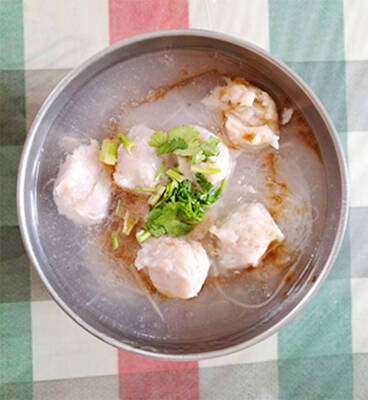
Let’s explore another delicacy primarily known to Tainan locals: floating milkfish in thick soup. Despite its peculiar name, this dish is another Tainan specialty that showcases the popularity of milkfish, which is made into fish paste and served in thick soup. Unlike the version with tutuo fish, which also adds other ingredients to its thick soup, the floating milkfish version primarily features the “floating fish” itself in its thick soup, ensuring that the fish paste remains the star of the dish. 讓我們來探索另一道台南人熟悉的美食:浮水魚羹。這道菜名奇特的美食,再再展現了台南虱目魚料理的多樣。浮水魚羹是用虱目魚漿做成的羹品,雖然和𩵚魠魚羹一樣是羹湯,但不像𩵚魠魚羹會在湯中加入其他食材,而是讓虱目魚漿成為這道料理的主角。 peculiar (adj.) 獨特的;古怪的 The belly of a milkfish is considered the most
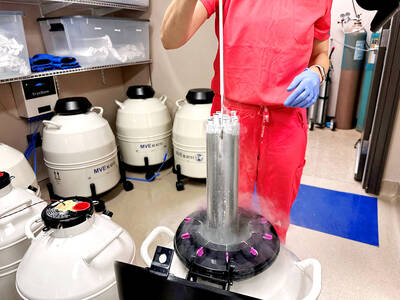
The practice of freezing embryos as part of in vitro fertilization (IVF) was thrown into chaos in Alabama this year, when the state supreme court ruled that such embryos should be considered children, exposing clinics to wrongful death claims in the event they are destroyed in the thawing process. In 2021, more than 80 percent of US IVF procedures involved the transfer of frozen embryos, according to a recent report by the US Department of Health and Human Services. HOW IS EMBRYO FREEZING USED IN IVF? IVF uses high doses of hormones to stimulate ovaries to produce as many eggs as possible. Once

A: Wow, three Taiwanese restaurants just won the 2024 “Asia’s 50 Best Restaurants” awards. B: Awesome! Which three restaurants? A: Taipei’s Logy at No. 22 and MUME at No. 34, and Taichung’s JL Studio at No. 33. B: Actually, there are many more great establishments in Taipei. How about other Asian cities? A: Singapore claimed nine spots this year, making it Asia’s new “food capital.” A: 2024「亞洲50最佳餐廳」名單揭曉了,台灣有3家餐廳上榜。 B: 好厲害,哪3家? A: 台北的Logy和MUME分獲第22和34名,台中的JL Studio獲第33名! B: 其實台北還有很多好餐廳,那其他的亞洲城市呢? A: 新加坡今年入選9家,可說是亞洲美食之都。 (By Eddy Chang, Taipei Times/台北時報張聖恩)


 RSS
RSS