


During the early hours of Tuesday morning, Tainan celebrated the 2,571st anniversary of the birth of Confucius by holding an ancient sacrificial ritual at the city’s Confucius Temple, also known as the “first academy of Taiwan.” Many members of the public came to experience the tradition, including a group of exchange students from the Czech Republic. However, due to the COVID-19 pandemic, the event’s organizers canceled the practice of plucking the hairs around the eyes and ears of a sacrificed ox (which is believed to generate wisdom, according to folk tradition), and replaced it with a tree-planting ceremony to commemorate the completion of a restoration project at the temple.
Aside from the hair plucking, the traditional ceremony was carried out as normal, with Tainan Mayor Huang Wei-che acting as Master of Rites and students from Tainan Municipal Jhongyi Elementary School lined up in six rows and six columns to perform a liuyi (six-row) dance to pay respect to Confucius. The ceremony commenced at the crack of dawn at 5am and lasted for approximately one hour.
All of the participants were wearing masks to comply with pandemic prevention measures and, although the crowds were smaller than in previous years, a sizeable number of people came to observe the traditional rites. In addition to students from Tainan Municipal Jhongyi Elementary School, a group of Czech exchange students studying Taiwanese history at Tunghai University attended the ceremony wearing masks embossed with the national flags of Taiwan and the Czech Republic to experience a unique aspect of Taiwanese culture.
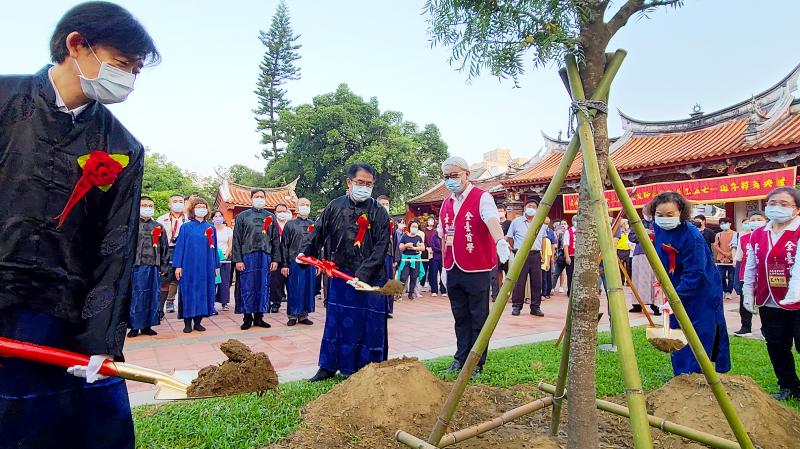
Photo: Liu Wan-chun, Liberty Times 照片:自由時報劉婉君
(Liberty Times, translated by Edward Jones)
台南市各界週二清晨在「全台首學」孔廟,舉行孔子誕辰兩千五百七十一週年釋奠典禮,不少民眾到場觀禮,還有捷克交換生也來感受傳統的祭孔,而受到疫情影響,主辦單位今年取消拔智慧毛活動,改以植樹紀念孔廟古蹟修復工程完工。
台南祭孔依古禮進行,由台南市長黃偉哲擔任正獻官,忠義國小佾生演出「六佾舞」,釋奠典禮於清晨五時開始,歷時約一小時。
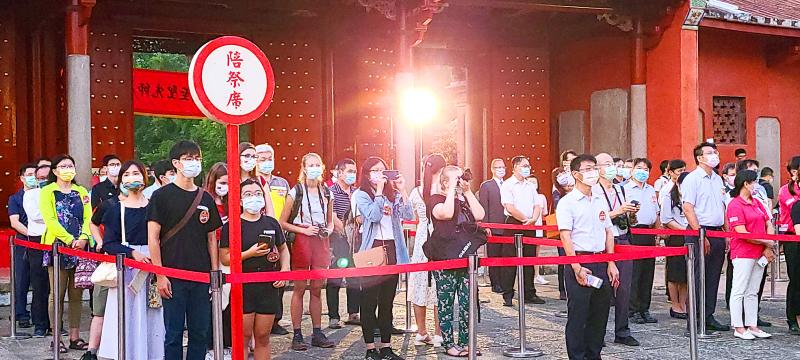
Photo: Liu Wan-chun, Liberty Times 照片:自由時報劉婉君
因應防疫,所有參與人員均戴著口罩,現場觀禮民眾雖較往年略減,但仍有不少人前往觀禮,忠義國小也帶領學生參加,其中還有多位到台灣學習台灣歷史的東海大學捷克交換生,也戴著有台灣與捷克國旗的口罩來體驗台灣文化。
(自由時報劉婉君)
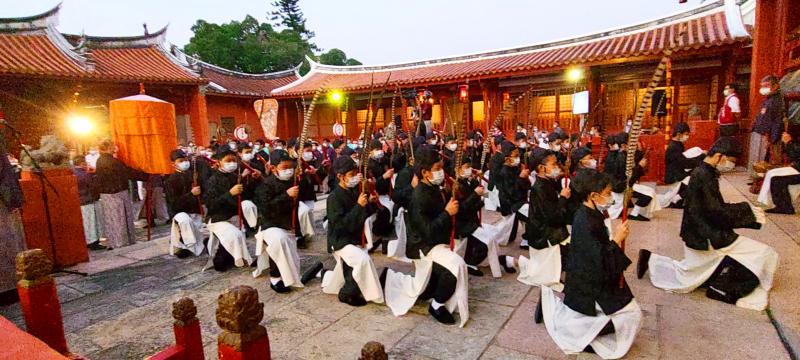
Photo: Liu Wan-chun, Liberty Times 照片:自由時報劉婉君
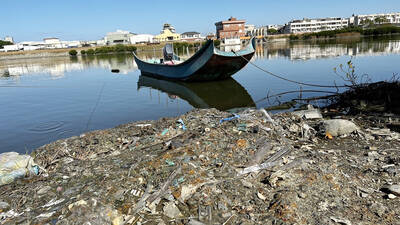
Many consumers are guilty of filling drawers or closets with old laptops, cellphones, fitness trackers and other electronic devices once they are no longer needed. It’s hard to know where to recycle such items, or it seems costly and inconvenient to do so. The world generates millions of tons of electronic waste — also called e-waste — each year. According to the UN’s most recent estimate, people worldwide produced 62 million metric tons of e-waste in 2022, and only about 22 percent of it was properly recycled. The US’ Environmental Protection Agency estimates that less than a quarter of e-waste is
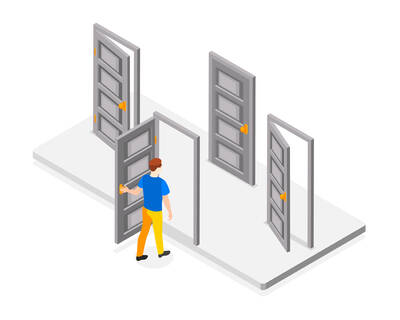
You’re sitting in class when a classmate asks to borrow a pencil. It seems like a small favor, so you agree without hesitation. The following week, the same classmate asks to share your notes. Later, they request help with a group project. You agree each time — after all, you helped out the first time — but before you know it, it has become automatic. This scenario demonstrates the “foot-in-the-door technique,” a psychological concept that shows how agreeing to small, acceptable demands makes it easier to accept larger ones later on. The name for this strategy comes from door-to-door

A: The four-day Tomb Sweeping Day long weekend begins Friday and will run until Monday. Are you going to sweep your ancestors’ tombs? B: I did in advance last weekend, so I can go to Kaohsiung to see the musical “The Phantom of the Opera.” A: Wow, is “Phantom” touring Taiwan again? It debuted in 1986, so this year marks the 40th anniversary of the show. B: And it’s not just touring Kaohsiung starting March 31, but also Taipei starting April 21 and Taichung starting May 26. A: “Phantom” is one of the world’s Four Major Musicals. I’ve seen all of them, except “Les

Dos & Don’ts — 想想看,這句話英語該怎麼說? 1. 我們很早到達電影院。 ˇ We arrived at the theater very early. χ We arrived the theater very early. 註︰arrive 為不及物動詞,後面如果有受詞要用 at 或 in。例如:They arrived in Taipei yesterday.。一般大地方,如國家、省、大城市等前面用 in,凡小地方城鎮、學校等則用 at。 2. 開車半小時以後,我們到達了海灘。 ˇ After half an hour’s drive, we got to the beach. χ After half an hour’s drive, we got the beach. 註︰come, go, get(來、去、到達)某地時,在表示地點的名詞前面應該用 to,如 go to school, go to Taipei, come to Shanghai 等。如果這些動詞後面所跟的是 here, there, home 等副詞,則不用 to。 3. 明天我會回辦公室。 ˇ I will be back in the office tomorrow. χ I will be back to office tomorrow. 註︰to be back 一語裡的 back 是副詞,不是介詞,所以後面要用 at (the market) 或 in (the office)。 假如假期結束,要回學校上課了則可說: ? Kids will be back


 RSS
RSS