


In Pingtung County’s Kenting area the summer sky is blue and blanketed with fluffy white clouds and the sea is calm and gentle. However, in an unprecedented situation, Kenting’s usually thriving beaches are almost completely empty this year, save for a small number of masked-up water sports workers zipping along the water on jet skis and mask-wearing tourists playing at the water’s edge and jumping around in the surf. It makes for one of the most bizarre sights of the summer during the ongoing COVID-19 pandemic. It is also a sign of how seriously Taiwanese take the government’s rules on mask-wearing when in public: some businesses have even voluntarily stopped trading and many members of the public are eschewing trips to the seaside.
In contrast with the careful approach of Taiwanese, a number of foreign residents appear to be disregarding the government’s regulations, drinking beer and chatting under parasols, swimming in the water and generally carrying on as normal as if there were no pandemic. When members of the public have good-naturedly issued a reminder, the foreign nationals have reportedly continued to turn a blind eye, causing local onlookers to shake their heads. Kenting residents say they hope that officials will widen the crackdown on non-mask wearers currently being carried out on public roads, so that scenic areas and foreign tourists do not become chinks in the nation’s epidemic-prevention armor.
Kenting National Park Headquarters says it has closed indoor areas, including the Tanzih Bay Visitor Center, Cyongma Historical Exhibition Hall, Sheding Nature Park Visitor Center, Shadao Exhibition Hall and Longluantan Exhibition Center. Outdoor tourist spots such as Oluanpi and Maobitou Park can only open when less than 40 percent of their parking spaces are full, and visitors must register their personal details. Officials are also carrying out regular disinfection, enforcing mask-wearing and taking people’s temperatures.
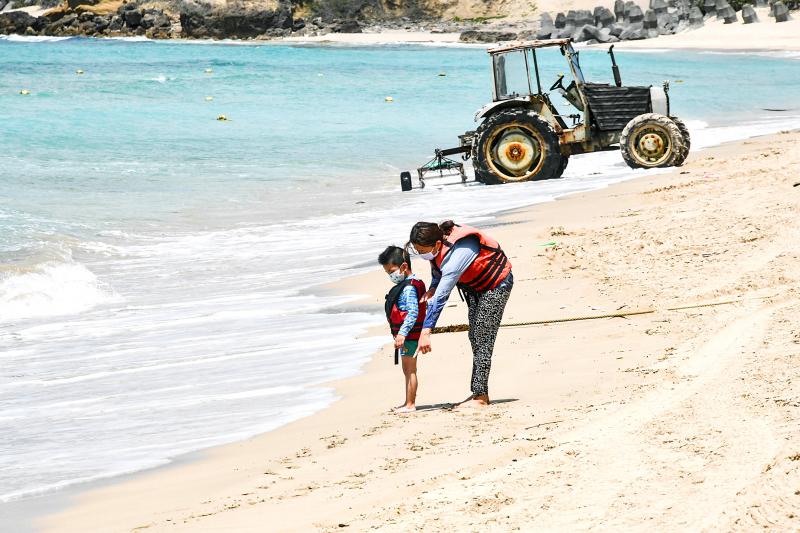
Photo: Tsai Tsung-hsien, Liberty Times 照片:自由時報記者蔡宗憲
As regards Kenting’s beaches and coastal areas, the park headquarters says anyone engaged in water sports, including jet skiing, canoeing, standup paddleboarding, banana boats and sailboats, must wear a mask at all times. The park headquarters asks that businesses which provide underwater activities such as snorkeling and scuba diving, during which masks cannot be worn, cooperate with the government’s virus-control measures and refrain from providing these activities. The park headquarters adds that patrolling park officials will report and issue a fine to anyone found not to be wearing a mask.
(Liberty Times, translated by Edward Jones)
屏東縣墾丁地區夏天藍天白雲、海況溫和,卻是前所未見的沙灘空蕩蕩,少數水上活動業者戴著口罩騎水上摩托車,遊客戴著口罩戲水踏浪,成為疫情期間最詭異的夏季風景,也看的出國人對於口罩規定相當重視,甚至自主停止營業或避免到海邊旅遊。
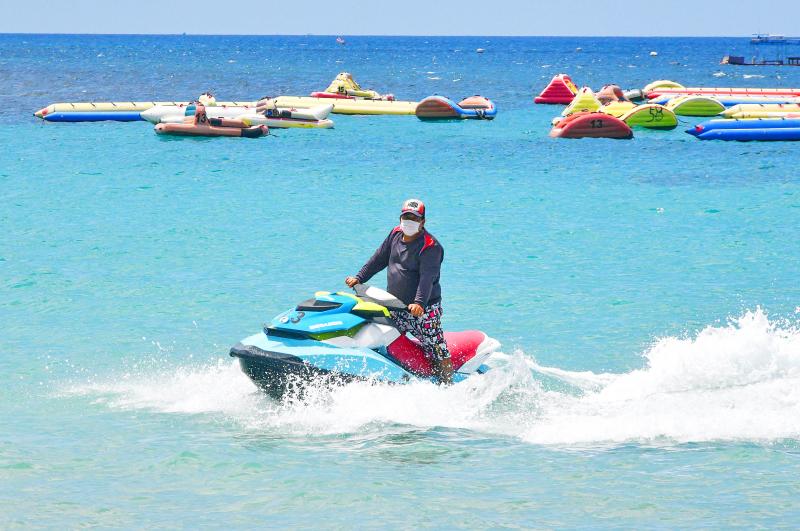
Photo: Tsai Tsung-hsien, Liberty Times 照片:自由時報記者蔡宗憲
相對於國人謹慎面對疫情,部分留在台灣的外籍遊客,似乎無視台灣法令規定,在海灘洋傘下喝啤酒聊天,或是在海面上戲水游泳,都照著沒有疫情的狀況下進行,面對經過民眾好意提醒也視若無睹,令不少目睹的居民搖頭,也期盼官方除了道路上取締未戴口罩,不要讓風景區及外籍客成為防疫破口。
墾丁國家公園管理處表示,潭子灣遊客中心、瓊麻歷史展示館、社頂自然公園遊客中心、砂島展示館、龍鑾潭展示中心等室內場館均關閉,鵝鑾鼻及貓鼻頭公園等室外景點,以低於停車場四成停車數為開放基準,並有實名制、場域定時消毒、口罩、體溫監測等防疫作為。
至於各大海灘屬於開放區域,墾管處指出,海上活動如水上摩托車、獨木舟、SUP、香蕉船、遊艇等,遊客仍應全程配戴口罩;水下活動諸如浮潛、水肺潛水活動,無法達到戴口罩規定,請各業者配合政府防疫政策,不提供水域遊憩服務,如巡查發現未載口罩將予告發裁罰。
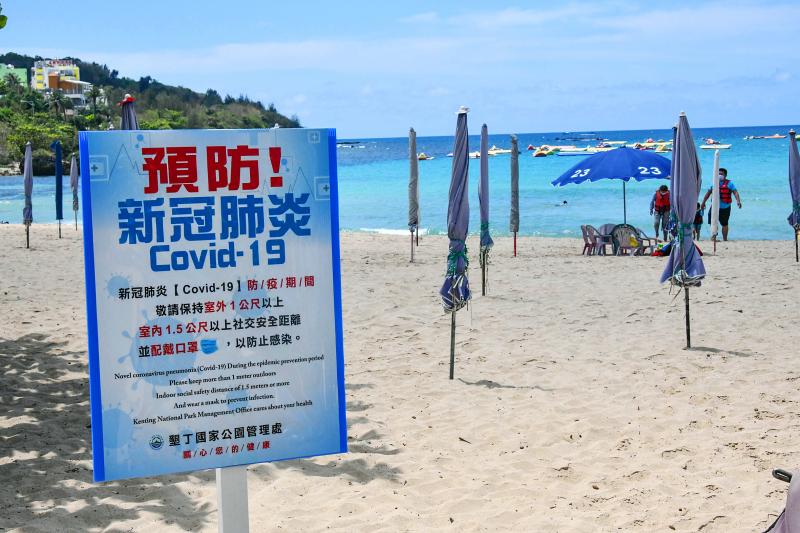
Photo: Tsai Tsung-hsien, Liberty Times 照片:自由時報記者蔡宗憲
(自由時報記者蔡宗憲)
Many consumers are guilty of filling drawers or closets with old laptops, cellphones, fitness trackers and other electronic devices once they are no longer needed. It’s hard to know where to recycle such items, or it seems costly and inconvenient to do so. The world generates millions of tons of electronic waste — also called e-waste — each year. According to the UN’s most recent estimate, people worldwide produced 62 million metric tons of e-waste in 2022, and only about 22 percent of it was properly recycled. The US’ Environmental Protection Agency estimates that less than a quarter of e-waste is
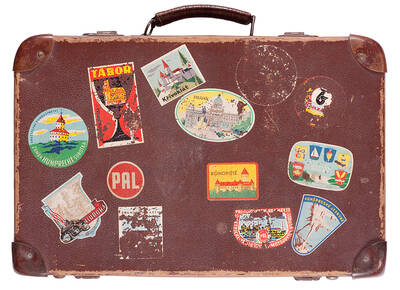
Travel fever is back, and it’s contagious. After years of being kept home during the COVID-19 pandemic, people are once again eager to explore the world. Rather than just book any trip, travelers are getting smarter about how they scratch that travel itch. Microcation Defined as four days or fewer and over 160km away from home, the microcation perfectly matches the post-pandemic mindset. After long periods of remaining indoors, people are making up for lost time by taking short, frequent getaways throughout the year. These brief trips avoid the work-life imbalance that comes with long absences. With only a few days away, one’s

You’re sitting in class when a classmate asks to borrow a pencil. It seems like a small favor, so you agree without hesitation. The following week, the same classmate asks to share your notes. Later, they request help with a group project. You agree each time — after all, you helped out the first time — but before you know it, it has become automatic. This scenario demonstrates the “foot-in-the-door technique,” a psychological concept that shows how agreeing to small, acceptable demands makes it easier to accept larger ones later on. The name for this strategy comes from door-to-door

Continued from yesterday(延續自昨日) https://www.taipeitimes.com/News/lang Gig Tripping “Gig tripping” combines concerts with travel. People fly to see their favorite artists perform — usually abroad—and spend a few days sightseeing before or after the show. While die-hard fans have done this since the 1960s, the post-pandemic travel boom changed the game. Even people who aren’t superfans are now booking international concert trips because they want to make the most of travel opportunities. This trend exploded in the US, as the math makes sense. Domestic concert tickets are so costly that flying abroad for the show plus tourism expenses often matches or even beats the price


 RSS
RSS