


Frozen 2 fever is now sweeping the world, as the Disney sequel opened strongly in cinemas last week after smashing the record for presales in many countries. The 2013 original, which took nearly US$1.3 billion (about NT$39.7 billion) at the box office, was once the highest-grossing animated film of all time until the record was broken by The Lion King earlier this year.
Apart from the catchy theme songs in the sequel, the Los Angeles Times reported that perhaps the most impressive feature of Queen Elsa and Princess Anna is that they embarked on an adventure wearing pants: Disney almost never lets its heroines wear pants. “These two women I’m proud of, they are carrying the weight of the kingdom on their shoulders ... so they’re going to wear what’s right for that,” co-director Jennifer Lee said recently.
Merchandise sales of the original have reportedly accumulated to over US$107.2 billion worldwide, the highest of any film in history, so Disney is banking on yet another smash hit.
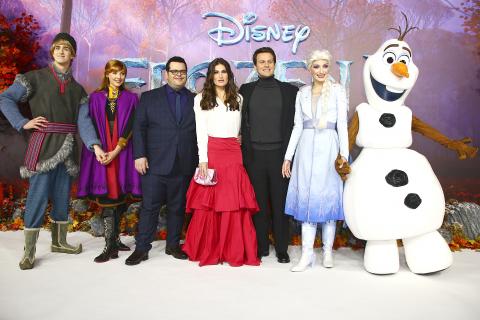
Photo: AP
照片:美聯社
(Eddy Chang, Taipei Times)
一場冰雪風暴正再次席捲全球!迪士尼動畫續集《冰雪奇緣2》在刷新多國預售票記錄後,上週強勢上映。二○一三年推出的首集票房逼近十三億美元(約三百九十七億台幣),曾是歷年來最賣座的動畫電影,直到今年稍早該記錄才被翻拍的《獅子王》打破。
而續集除了洗腦的主題曲以外,《洛杉磯時報》指出或許最令人印象深刻的特色,是女主角艾莎女王和安娜公主展開冒險時穿上了褲裝,因為迪士尼極少讓女主角們換上褲裝。該片共同導演珍妮佛李近日說:「這兩位女性令我驕傲,她們肩負整個王國的重責大任……所以也該穿上合適的衣服。」
據報導,首集的全球商品銷量,累積超過一千零七十二億美元,超越影史上任何電影,因此迪士尼寄望續集能再度造成轟動。
(台北時報張聖恩)
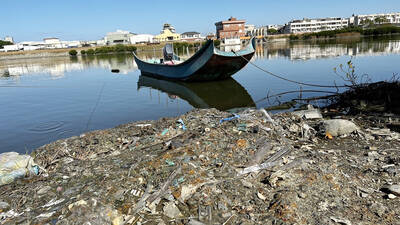
Many consumers are guilty of filling drawers or closets with old laptops, cellphones, fitness trackers and other electronic devices once they are no longer needed. It’s hard to know where to recycle such items, or it seems costly and inconvenient to do so. The world generates millions of tons of electronic waste — also called e-waste — each year. According to the UN’s most recent estimate, people worldwide produced 62 million metric tons of e-waste in 2022, and only about 22 percent of it was properly recycled. The US’ Environmental Protection Agency estimates that less than a quarter of e-waste is
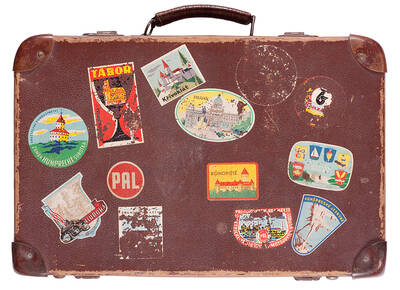
Travel fever is back, and it’s contagious. After years of being kept home during the COVID-19 pandemic, people are once again eager to explore the world. Rather than just book any trip, travelers are getting smarter about how they scratch that travel itch. Microcation Defined as four days or fewer and over 160km away from home, the microcation perfectly matches the post-pandemic mindset. After long periods of remaining indoors, people are making up for lost time by taking short, frequent getaways throughout the year. These brief trips avoid the work-life imbalance that comes with long absences. With only a few days away, one’s

You’re sitting in class when a classmate asks to borrow a pencil. It seems like a small favor, so you agree without hesitation. The following week, the same classmate asks to share your notes. Later, they request help with a group project. You agree each time — after all, you helped out the first time — but before you know it, it has become automatic. This scenario demonstrates the “foot-in-the-door technique,” a psychological concept that shows how agreeing to small, acceptable demands makes it easier to accept larger ones later on. The name for this strategy comes from door-to-door

Continued from yesterday(延續自昨日) https://www.taipeitimes.com/News/lang Gig Tripping “Gig tripping” combines concerts with travel. People fly to see their favorite artists perform — usually abroad—and spend a few days sightseeing before or after the show. While die-hard fans have done this since the 1960s, the post-pandemic travel boom changed the game. Even people who aren’t superfans are now booking international concert trips because they want to make the most of travel opportunities. This trend exploded in the US, as the math makes sense. Domestic concert tickets are so costly that flying abroad for the show plus tourism expenses often matches or even beats the price


 RSS
RSS