


A historic renovation of the Church of the Nativity is lifting spirits in the biblical town of Bethlehem ahead of Christmas, offering visitors a look at ancient mosaics and columns that have been restored to their original glory for the first time in 600 years.
City officials hope the renovation at the traditional birthplace of Jesus will boost tourism and a weak economy in the Israeli-occupied West Bank, and perhaps slow a decades-long drain of the Christian population from the lands where the faith was born.
The renovation started in 2013, a year after UNESCO declared the church a world heritage site, and is expected to be completed by the end of next year.
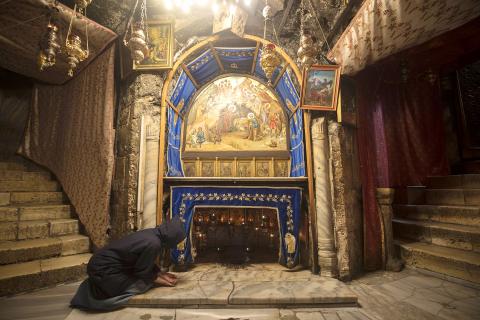
Photo: EPA
照片:歐新社
One of Christianity’s most sacred shrines, the church was built in the fourth century by St. Helena over a cave where the Virgin Mary is said to have given birth. What pilgrims mostly see today is the basilica built by Byzantine Emperor Justinian I, who ruled from 527 to 565. Neglected for decades before the renovation, the roof of the church was leaking, windows were broken, mosaics were covered in grime and walls and columns were damaged. After five years of work, it has been transformed.
Bethlehem is heavily dependent on Christmas tourism, with hotels, restaurants and gift stores doing much of their business during the short holiday season. The renovated church has become a popular destination.
(AP)
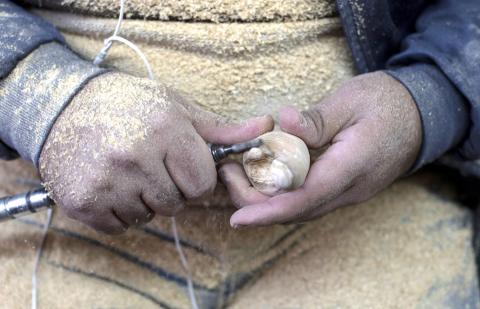
Photo: EPA
照片:歐新社
伯利恆耶穌誕生教堂的史跡整修工程,讓這座聖經中的著名城市在耶誕節前精神為之一振。六百年來,參觀者首度能夠一睹古老馬賽克鑲嵌畫和圓柱修復後展現出的往日榮光。
藉由修繕耶穌傳統上的出生地,市政府官員希望可以促進觀光,改善以色列占領的西岸地區當地疲弱的經濟,或許也藉此減緩這處信仰發祥地長達數十年的基督教徒人口流失。
整修工程始於二○一三年,也就是聯合國教科文組織宣布將該教堂列為世界遺產翌年,預期將於明年底完工。
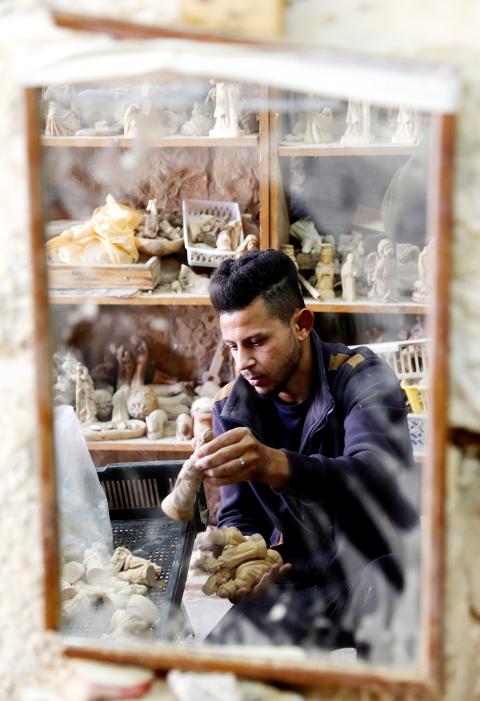
Photo: Reuters
照片:路透
耶穌誕生教堂是基督教中最為神聖的聖殿之一,西元四世紀時由聖海倫納建造於傳說聖母瑪利亞生下耶穌的馬槽原址。不過,今日朝聖者看到的絕大部分建築,主要是拜占庭帝國查士丁尼一世(統治時期為西元五二七年到五六五年間)建造的長方形教堂。在修繕行動開始前,這間教堂被忽略了數十年,不但屋頂漏水、窗戶破損、馬賽克鑲嵌畫遭塵土覆蓋,只見斷垣殘壁和受損的石柱。經過五年多的努力,現在教堂已大為改觀。
伯利恆市極度仰賴耶誕節的觀光業。當地旅館、餐廳、紀念品店整年的業績主要都來自於這個短短的假期。修復後的教堂,現在已成為大受歡迎的旅遊景點。
(台北時報章厚明譯)
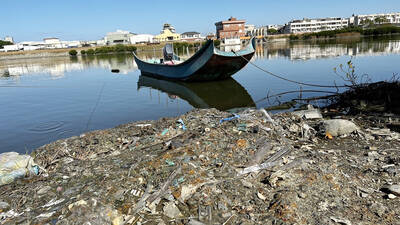
Many consumers are guilty of filling drawers or closets with old laptops, cellphones, fitness trackers and other electronic devices once they are no longer needed. It’s hard to know where to recycle such items, or it seems costly and inconvenient to do so. The world generates millions of tons of electronic waste — also called e-waste — each year. According to the UN’s most recent estimate, people worldwide produced 62 million metric tons of e-waste in 2022, and only about 22 percent of it was properly recycled. The US’ Environmental Protection Agency estimates that less than a quarter of e-waste is
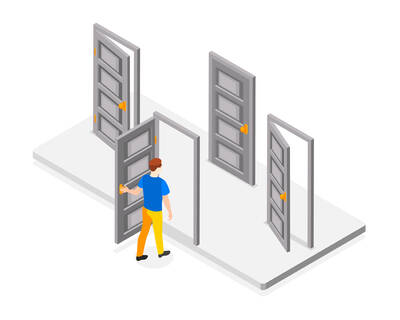
You’re sitting in class when a classmate asks to borrow a pencil. It seems like a small favor, so you agree without hesitation. The following week, the same classmate asks to share your notes. Later, they request help with a group project. You agree each time — after all, you helped out the first time — but before you know it, it has become automatic. This scenario demonstrates the “foot-in-the-door technique,” a psychological concept that shows how agreeing to small, acceptable demands makes it easier to accept larger ones later on. The name for this strategy comes from door-to-door

A: The four-day Tomb Sweeping Day long weekend begins Friday and will run until Monday. Are you going to sweep your ancestors’ tombs? B: I did in advance last weekend, so I can go to Kaohsiung to see the musical “The Phantom of the Opera.” A: Wow, is “Phantom” touring Taiwan again? It debuted in 1986, so this year marks the 40th anniversary of the show. B: And it’s not just touring Kaohsiung starting March 31, but also Taipei starting April 21 and Taichung starting May 26. A: “Phantom” is one of the world’s Four Major Musicals. I’ve seen all of them, except “Les

對話 Dialogue 清清:這禮拜又有連假了,這次一共放四天。 Qīngqing: Zhè lǐbài yòu yǒu liánjià le, zhè cì yígòng fàng sì tiān. 華華:你是要過兒童節還是清明節? Huáhua: Nǐ shì yào guò Értóng jié háishì Qīngmíng jié? 清清:都要過啊!不管幾歲,都要有童心,才能永遠都年輕,知道嗎? Qīngqing: Dōu yào guò a! Bùguǎn jǐ suì, dōu yào yǒu tóngxīn, cái néng yǒngyuǎn dōu niánqīng, zhīdào ma? 華華:好啦!能當個長不大的孩子也好,就不會有那麼多煩惱了。 Huáhua: Hǎo la! Néng dāng ge zhǎngbúdà de háizi yě hǎo, jiù bú huì yǒu nàme duō fánnǎo le. 清清:還好春天有這兩個節假日,常常可以變成連假休息一下。 Qīngqing: Háihǎo chūntiān yǒu zhè liǎng ge jiéjiàrì, chángcháng kěyǐ biànchéng liánjià xiūxi yíxià. 華華:對啊!上禮拜我已經先跟家人去掃墓了,就怕清明節當天人太多。 Huáhua: Duì a! Shàng lǐbài wǒ yǐjīng xiān gēn jiārén qù sǎomù le, jiù pà Qīngmíng jié dāngtiān rén tài duō. 清清:親人雖然過世了,但有清明節掃墓的習俗,讓我們在不同的世界還是能「聚」一下、說說話,真的很有意義。 Qīngqing: Qīnrén suīrán guòshì le, dàn yǒu Qīngmíng jié


 RSS
RSS