


For fashion magazines, the September issue is the thickest and most important of the year, shaping global fashion trends and elements for the next year. The September issue of Vogue magazine, in particular, is regarded as a “fashion bible.” The production of its September 2007 issue was even made into the documentary “The September Issue.”
In an unprecedented move, for this year’s September issue, Vogue editor-in-chief Anna Wintour gave cover star Beyonce total control of the cover. The US pop diva hired 23-year-old black photographer Tyler Mitchell to photograph the cover, making him the first black photographer to shoot a Vogue cover in the magazine’s126-year history.
Chinese actress Zhou Xun is the cover star for the September issue of the Chinese edition, being featured on a Vogue cover for the seventh time. Meanwhile, the Taiwanese edition is celebrating the year’s biggest fashion month with six different covers, featuring artists Christine Fan, Amber An, Puff Kuo, Nikki Hsieh, Summer Meng, Joanne Tseng and Prince Chiu, respectively.

Photo: EPA
照片︰歐新社
(Eddy Chang, Taipei Times)
對時尚雜誌來說,九月號是一年中最厚、最重要的一期,引領未來一年全球的流行風潮與元素。其中《時尚》雜誌的九月號被譽為「時尚聖經」,二○○七年九月號的製作過程,甚至還被拍成紀錄片《時尚惡魔的聖經》。
《時尚》雜誌總編輯安娜溫圖為了今年的九月號,破天荒讓封面女星碧昂絲享有封面的主導權。這位美國流行天后聘請了二十三歲的黑人攝影師泰勒米契爾來操刀,使他成為創刊一百二十六年來,為該雜誌拍攝封面的首位黑人攝影師。
《時尚》中國版九月號的封面是女星周迅,這是她第七度登上該雜誌封面。而為了慶祝每年最大的時尚月,台灣版則推出六款不同的封面,包括藝人范瑋琪、安心亞、郭雪芙、謝欣穎、孟耿如、曾之喬和王子。
(台北時報張聖恩)
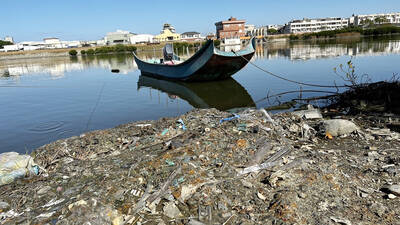
Many consumers are guilty of filling drawers or closets with old laptops, cellphones, fitness trackers and other electronic devices once they are no longer needed. It’s hard to know where to recycle such items, or it seems costly and inconvenient to do so. The world generates millions of tons of electronic waste — also called e-waste — each year. According to the UN’s most recent estimate, people worldwide produced 62 million metric tons of e-waste in 2022, and only about 22 percent of it was properly recycled. The US’ Environmental Protection Agency estimates that less than a quarter of e-waste is
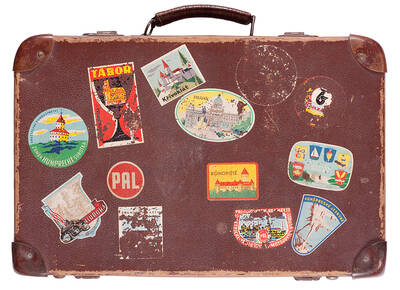
Travel fever is back, and it’s contagious. After years of being kept home during the COVID-19 pandemic, people are once again eager to explore the world. Rather than just book any trip, travelers are getting smarter about how they scratch that travel itch. Microcation Defined as four days or fewer and over 160km away from home, the microcation perfectly matches the post-pandemic mindset. After long periods of remaining indoors, people are making up for lost time by taking short, frequent getaways throughout the year. These brief trips avoid the work-life imbalance that comes with long absences. With only a few days away, one’s

You’re sitting in class when a classmate asks to borrow a pencil. It seems like a small favor, so you agree without hesitation. The following week, the same classmate asks to share your notes. Later, they request help with a group project. You agree each time — after all, you helped out the first time — but before you know it, it has become automatic. This scenario demonstrates the “foot-in-the-door technique,” a psychological concept that shows how agreeing to small, acceptable demands makes it easier to accept larger ones later on. The name for this strategy comes from door-to-door

Continued from yesterday(延續自昨日) https://www.taipeitimes.com/News/lang Gig Tripping “Gig tripping” combines concerts with travel. People fly to see their favorite artists perform — usually abroad—and spend a few days sightseeing before or after the show. While die-hard fans have done this since the 1960s, the post-pandemic travel boom changed the game. Even people who aren’t superfans are now booking international concert trips because they want to make the most of travel opportunities. This trend exploded in the US, as the math makes sense. Domestic concert tickets are so costly that flying abroad for the show plus tourism expenses often matches or even beats the price


 RSS
RSS