


The pomelo, scientific name citrus maxima, is a kind of citrus fruit that has been cultivated to produce a variety of strains. Wendan is a type of pomelo, and other kinds include the honey pomelo, peiyu (citrus grandis Osbeck), pink grapefruit and grapefruit. Wendan comes in varieties with red pulp or lime white pulp, depending on where they are grown. Whatever their origin, they are collectively known as “wendan pomelo.”
We should put aside the idea that “bigger is better” when buying wendan pomelos, which are only available in the season around Mid-Autumn Festival. The following are some tips on how to pick the perfect pomelo:
Tip 1: Bigger bottom, small in size
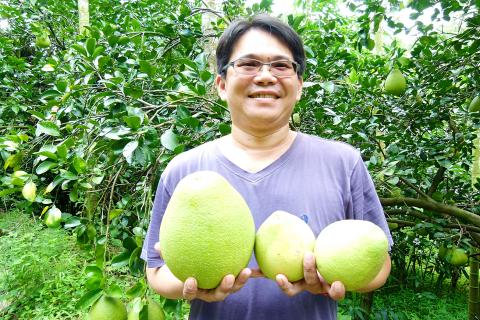
Photo: Tsai Tsung-hsun, Liberty Times
圖:自由時報記者蔡宗勳攝
“The tumbler principle”: pick the smaller sized wendan pomelos with pointed tip, short neck, and wider bottom.
Pointed tip and short neck means rich pulp and thin rind, and wider bottom means the fruit is riper. However, avoid pomelos that tilt when placed on a table.
Tip 2: Weighty and wrinkled
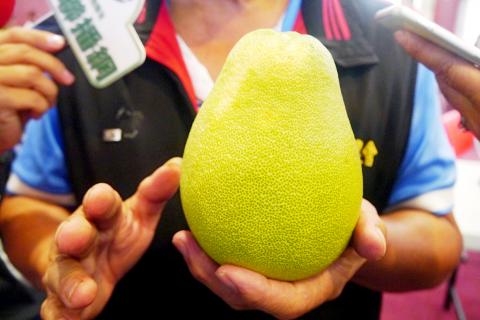
Photo: Wang Chun-chi, Liberty Times
照片:自由時報記者王峻祺攝
Juicy pulp is an important factor for the taste of wendan pomelos: weighty pomelos mean juicy pomelos. In addition, if the peel is wrinkled, it means the moisture of the peel has been fully absorbed by the pulp, in which case the fruit will be juicy and full of taste.
Tip 3: Color and peel show the ripeness
If the pomelo’s peel is yellow, it is ready to eat; if green, it is better to wait until it turns yellow. Next, look out for bumps on the peel: if the peel is smooth and shiny, the fruit is not yet ripe, and it is best to wait before eating it; if the peel is wrinkled and is not very smooth, you know it is ready to eat.
(Liberty Times, translated by Lin Lee-kai)
柚是柑橘類果樹,其學名為Citrus maxima,經育種後有不同的品種,所以文旦是柚子的一種,其他還有蜜柚、白柚、紅柚及葡萄柚等多樣品種;而文旦又會因環境不同而有紅肉與白肉的果實之分,但不管是在台灣哪個產地,通常柚農們泛稱文旦為「文旦柚」。
針對中秋節才吃得到的「文旦柚」,在選購時要屏除以往「水果選越大的越好」的觀念,選購時應掌握以下原則:
第一、下盤要穩重,個子要嬌小
「不倒翁原則」:建議依小顆的下手,選擇頭尖、頸短、下盤寬的文旦柚。
頭尖、頸短代表果肉充足皮又薄,底部寬大代表文旦柚越成熟,如果發現放在桌上文旦柚會歪斜,就應避免選購。
第二、重量重且呈現皺紋
多汁的果肉是文旦柚美味的重要因素,重量重代表內含的水分多。另外,如果外皮呈現皺紋,代表柚皮的水分已經被吸收到果肉裡,此時吃起來的口感就會是多汁又飽滿喔!
第三、 顏色、外皮代表熟度
柚子的外觀若是黃色,代表可以直接吃,綠色則是要等一段時間轉為黃色後,口感較佳。再來可以看外皮的顆粒,如果飽滿有光澤,表示尚未成熟,還需久放再吃,若是外皮已經呈現皺褶、沒那麼光滑,就代表可以吃囉!
(自由時報)

A: Popular humorous Japanese manga series “Chibi Maruko-chan” and “Crayon Shin-chan” will collaborate for their respective 40th and 35th anniversaries, publishing three crossover stories in April. B: Both were made into TV animation series, becoming huge hits in Asia. What are the crossover stories about? A: The first story features Shin-chan and his family visiting Maruko-chan’s hometown, Shizuoka City, where they run into each other. B: Wow, that sounds interesting. And then? A: The follow-ups feature Maruko-chan and her family visiting Shin-chan’s hometown, Kasukabe City. I bet the interactions between the two families will be funny. A: 熱門日本漫畫《櫻桃小丸子》、《蠟筆小新》4月將合作,為紀念小丸子40週年與小新35週年,推出三篇跨界聯動漫畫! B:
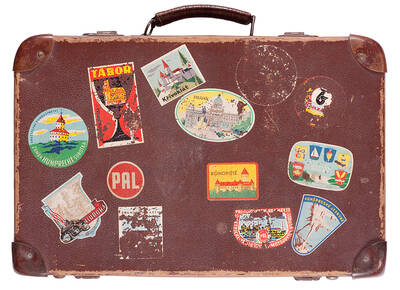
Travel fever is back, and it’s contagious. After years of being kept home during the COVID-19 pandemic, people are once again eager to explore the world. Rather than just book any trip, travelers are getting smarter about how they scratch that travel itch. Microcation Defined as four days or fewer and over 160km away from home, the microcation perfectly matches the post-pandemic mindset. After long periods of remaining indoors, people are making up for lost time by taking short, frequent getaways throughout the year. These brief trips avoid the work-life imbalance that comes with long absences. With only a few days away, one’s
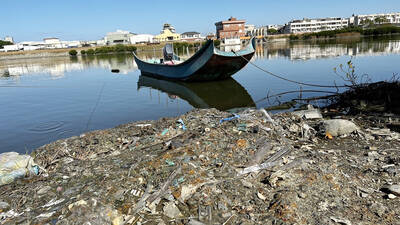
Many consumers are guilty of filling drawers or closets with old laptops, cellphones, fitness trackers and other electronic devices once they are no longer needed. It’s hard to know where to recycle such items, or it seems costly and inconvenient to do so. The world generates millions of tons of electronic waste — also called e-waste — each year. According to the UN’s most recent estimate, people worldwide produced 62 million metric tons of e-waste in 2022, and only about 22 percent of it was properly recycled. The US’ Environmental Protection Agency estimates that less than a quarter of e-waste is

Dos & Don’ts — 想想看,這句話英語該怎麼說? 1. 我們很早到達電影院。 ˇ We arrived at the theater very early. χ We arrived the theater very early. 註︰arrive 為不及物動詞,後面如果有受詞要用 at 或 in。例如:They arrived in Taipei yesterday.。一般大地方,如國家、省、大城市等前面用 in,凡小地方城鎮、學校等則用 at。 2. 開車半小時以後,我們到達了海灘。 ˇ After half an hour’s drive, we got to the beach. χ After half an hour’s drive, we got the beach. 註︰come, go, get(來、去、到達)某地時,在表示地點的名詞前面應該用 to,如 go to school, go to Taipei, come to Shanghai 等。如果這些動詞後面所跟的是 here, there, home 等副詞,則不用 to。 3. 明天我會回辦公室。 ˇ I will be back in the office tomorrow. χ I will be back to office tomorrow. 註︰to be back 一語裡的 back 是副詞,不是介詞,所以後面要用 at (the market) 或 in (the office)。 假如假期結束,要回學校上課了則可說: ? Kids will be back


 RSS
RSS