


Returning to the White House with unprecedented economic weaponry, US President Donald Trump has launched a comprehensive tariff offensive that has sent shockwaves through international markets. On April 2, Trump announced his “reciprocal tariff” strategy, aimed at punishing trading partners who sell more to the US than they buy in return. Central to his policy is the disputed view that such trade deficits harm the US economy. While Trump later suspended most of the tariffs to allow time for negotiations, some still went into effect, and the others remain a looming economic threat.
Tariffs, essentially taxes imposed on imported goods, raise the cost of foreign goods and, in theory, give domestic industries a competitive edge. Trump believes that only high tariffs can deter excessive imports into the US. If businesses want access to the US market without paying steep duties, they will have no choice but to shift production there. By taking such a tough stance, Trump hopes to achieve three objectives: protect American manufacturing jobs, generate federal revenue, and use tariffs as leverage in negotiations on various issues.
In response, some countries have introduced retaliatory tariffs, intensifying fears of a full-scale trade war. Not only have companies scrambled to restructure their supply chains, but many investors have withdrawn capital from affected regions. These shifts could disrupt international cooperation and trigger large-scale production delays. Export-oriented economies like Taiwan could also face shrinking markets, raising unemployment and threatening broader economic stability.
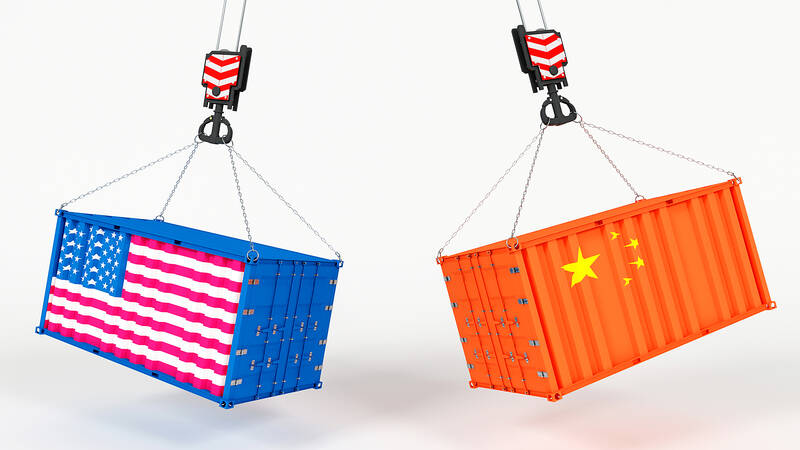
Photo: Freepik 照片:Freepik
Exporters aren’t the only ones affected; consumers worldwide are paying the price, too. Tariffs mean higher prices on imported goods as businesses shift the burden to buyers. Furthermore, as expenses rise across sectors, ripple effects may push up overall prices, trigger inflation, and squeeze household budgets. Only time will tell whether this bold gamble boosts the US economy or fuels prolonged trade tensions.
美國總統唐納.川普帶著前所未有的經濟武器重返白宮,發動了一場全面性的關稅攻勢,對國際市場造成震撼。4月2日,川普宣布他的「對等關稅」策略,旨在懲罰那些對美國出口多於從美國進口的貿易夥伴。他政策的核心是一個備受爭議的觀點,即這種貿易逆差會損害美國經濟。雖然川普後來暫停了大部分關稅,以便為談判留出時間,但有些關稅仍然生效,其餘關稅仍是迫在眉睫的經濟威脅。
關稅,本質上是對進口商品徵收的稅金,會提高外國商品的成本,理論上能給國內產業帶來競爭優勢。川普認為只有高關稅才能阻止過度進口到美國。如果企業想要進入美國市場而不支付高額關稅,他們將別無選擇,只能將生產轉移到那裡。透過採取如此強硬的立場,川普希望實現三個目標:保護美國製造業就業機會、創造聯邦收入,以及將關稅作為在各種議題上談判的籌碼。
作為回應,一些國家已經祭出報復性關稅,加劇了人們對全面貿易戰的擔憂。不僅企業爭相重組供應鏈,許多投資者也從受影響地區撤資。這些變化可能破壞國際合作並引發大規模生產延誤。像臺灣這樣以出口為導向的經濟體也可能面臨市場萎縮,導致失業率上升並威脅更廣泛的經濟穩定。
出口商並非唯一受影響的群體;全球消費者也在承受代價。關稅意味著進口商品價格上漲,因為企業將負擔轉嫁給買家。此外,隨著各行各業開銷上升,連鎖效應可能推高整體價格、引發通貨膨脹,並壓縮家庭預算。只有時間能證明,這場大膽的賭博是會提振美國經濟,還是會加劇長期的貿易緊張局勢。
MORE INFORMATION
tariff n. 關稅
turbulence n. 騷亂;騷動
weaponry n. (總稱) 武器
shockwave n. 激烈反應
reciprocal adj. 對等的;互惠的
looming adj. 迫近的;逼近的
deter vt. 阻止;使打消念頭
leverage n. 手段;影響力
retaliatory adj. 報復的;回擊的
ripple effect ph. 連鎖效應
KEY VOCABULARY
1. unprecedented adj. 無先例的;空前的
Chloe faced an unprecedented challenge when all her team members got sick before the event.
當克洛伊的團隊成員在活動開始前全部生病時,她面臨前所未有的挑戰。
2. deficit n. 逆差;不足;虧損
Natalie worried that the company’s trade deficit could affect its long-term growth.
娜塔莉擔心公司的貿易赤字可能會影響長期成長。
3. suspend v. 暫停;延緩;懸掛
After the huge earthquake, the opera house announced that all performances would be suspended until safety could be assured.
大地震之後,這間歌劇院宣布在確保安全無虞之前,所有演出將暫停。
4. negotiation n. 談判;協商
Negotiations between the two countries eventually led to the end of the war.
這兩國之間的協商最終讓戰爭結束。
5. revenue n. 收入;收益
Teddy’s company has increased its revenue by selling different types of products.
泰迪的公司透過銷售不同類型的產品來增加收益。
6. scramble v. 爭搶;倉促行動;攀爬
On Christmas morning, Paul scrambled out of bed and rushed downstairs to open his presents.
在聖誕節的早上,保羅匆匆下床,並跑下樓去拆他的禮物。
7. orient vt. (讓人或物) 以……為導向;使朝向
-oriented suf. 以……為導向的
May worked to orient the project more toward customer needs than company profits.
梅致力於讓這個專案更以顧客需求為導向,而不是公司利潤。
8. stability n. 穩定;安定
Milly hopes to earn enough money to gain financial stability and save for the future.
蜜莉希望賺夠多錢以獲得財務穩定並且為未來存款。
9. sector n. 行業;產業;區域
The government made money available to energize the industrial sector.
政府為振興工業區提供了資金。
學習音檔: https://magazine.english4u.net/Magdata/menu/av87q
《空中美語》雜誌APP免費下載: https://www.english4u.net/apps/index.aspx
免費收聽當月《空中美語》雜誌課文朗讀及解析 !
文章由AMC空中美語授權使用: https://www.english4u.net

A: Several Japanese and South Korean acts, such as BigBang, are participating in this year’s Coachella Music Festival. Have any Mando-pop singers ever performed at Coachella? B: Yup, K-pop group GOT7’s Hong Kong member Jackson Wang, and Taiwanese band Sunset Rollercoaster, which primarily performs in English, attended the festival before. A: It’s a pity that we didn’t fly to Coachella. But in fact, Taipei has also gradually become an Asian music hub in recent years. B: That’s true. K-pop sensation Twice just held three concerts at the Taipei Dome, followed by Hong Kong singer G.E.M., who is going

Many of us face common health challenges: tired eyes from long screen use, the search for anti-aging support and the need for weight control without resorting to restrictive diets. While no single food is a miracle cure, berries offer targeted, evidence-based nutritional support that’s easy and delicious to add to your daily routine. For overall immunity and healthy skin, vitamin C is essential. Strawberries provide roughly 10 percent more vitamin C than oranges, while blackcurrants deliver three to four times as much. These tasty fruits also contain abundant polyphenols, which help the body manage oxidative stress, support overall

Concertgoers know the rush all too well — the moment the first notes play, your heart races, and nothing else seems to matter. For many, the excitement doesn’t end when the lights come back on. Some fans try to relive the performance by listening to the same songs for days afterward. __1__ A few days after an amazing show, they begin to feel unexpectedly low. Psychologists have coined a term for this phenomenon: “post-concert depression,” or “PCD.” PCD is primarily related to hormone levels. When you’re at a concert, the excitement causes your brain to release feel-good chemicals like

A new study suggests that chimpanzees can weigh evidence and make rational judgments. In the experiment, researchers placed two boxes in front of the chimpanzees. One box was set up to give strong evidence, such as letting the chimpanzees actually see food inside. The other was designed to provide weak evidence, like producing a rattling sound when it was shaken. The chimps consistently chose the box with strong evidence, even when the weaker clue appeared first. This indicated that they were not fooled by the order of presentation. In another trial where no strong evidence was available, the chimps


 RSS
RSS