


Sufi whirling is a form of physically active meditation originating in Turkey and founded in the 13th century by the Sufi mystic Mevlana Jalaluddin Rumi.
Whirling dervishes perform a dance called the sema, in which they strive to reach kemal, the source of all perfection, by spinning one’s body in repetitive circles, focusing on God and abandoning the ego or personal desires.
The clothing used in the sema ritual is symbolic. The dervish’s camel’s hair hat represents the tombstone of the ego; the wide skirt, weighted at the ends, represents the ego’s shroud.
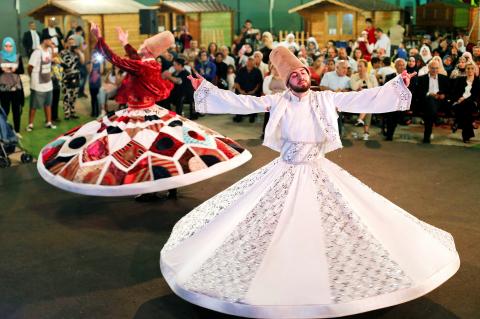
Photo: AFP
照片:法新社
At the beginning of the ritual, the dervishes hold their arms out, representing the number 1, testifying to God’s unity. During the whirling, the right arm is directed to the sky, ready to receive God’s beneficence, while the left hand points toward the earth.
Muslims around the world celebrate the holy month of Ramadan, the ninth month in the Islamic calendar, during which devotees pray during the night and fast from dawn till dusk, abstaining from eating, drinking, smoking and sexual acts.
Each day, before dawn and after sunset, food and drink are served. Certain people are exempted from the requirement to fast, including people who are suffering from an illness or travelling, the elderly and women who are pregnant, breastfeeding or menstruating.
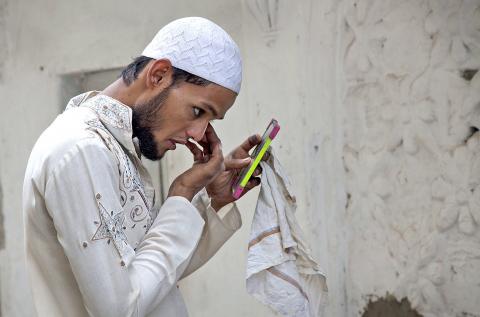
Photo: AP
照片:美聯社
Ramadan is also a month where Muslims try to practice increased self-discipline.
This year, Ramadan began on the evening of May 27 and ends on June 24.
(Paul Cooper, Taipei Times)
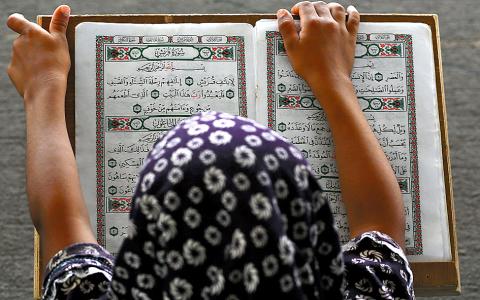
Photo: EPA
照片:歐新社
蘇菲旋轉舞是源於土耳其的一種舞動身體的靈修方式,由伊斯蘭教蘇菲教派神秘主義者梅夫拉那‧賈拉盧丁‧魯米於十三世紀創始。
旋轉舞僧們表演一種稱為sema的舞蹈,以期達到kemal,即所有完美之源頭。舞僧們藉由不斷旋轉,得以專注於神,並拋棄自我及個人欲望。
在sema儀式中所穿的衣服具有象徵意義。舞僧戴的駱駝毛帽代表了自我的墓碑;寬裙的裙襬加重,代表了自我的裹屍布。
儀式開始時,舞僧伸出手臂,象徵數字一,代表與真主合而為一。在旋轉過程中,右手心朝向天空,以接受真主的恩澤,而左手則朝向地面。
世界各地的穆斯林皆慶祝齋戒月,這是伊斯蘭日曆的第九個月,在此期間,信徒在夜間禱告,並在黎明至黃昏之間進行齋戒,在齋戒期間不可吃飯、喝水、吸煙和進行性行為。
每天黎明前和日落後可進食及飲料。有些人可以不必齋戒,包括患病或旅行的人、老人,以及懷孕、哺乳或值經期的婦女。
齋戒月也是穆斯林嘗試提高自律的一個月份。今年的齋戒月於五月二十七日晚上開始,而在六月二十四日結束。
(台北時報編譯林俐凱譯)

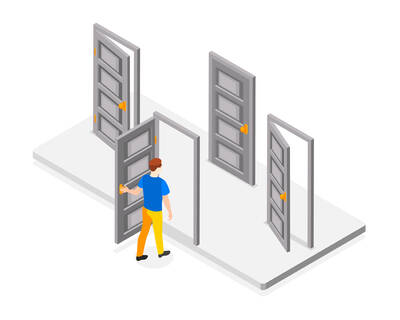
You’re sitting in class when a classmate asks to borrow a pencil. It seems like a small favor, so you agree without hesitation. The following week, the same classmate asks to share your notes. Later, they request help with a group project. You agree each time — after all, you helped out the first time — but before you know it, it has become automatic. This scenario demonstrates the “foot-in-the-door technique,” a psychological concept that shows how agreeing to small, acceptable demands makes it easier to accept larger ones later on. The name for this strategy comes from door-to-door
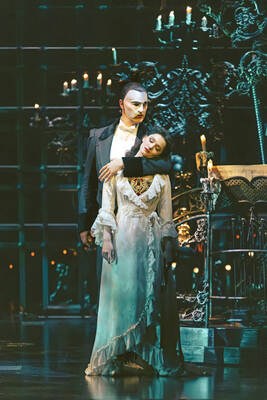
A: The four-day Tomb Sweeping Day long weekend begins Friday and will run until Monday. Are you going to sweep your ancestors’ tombs? B: I did in advance last weekend, so I can go to Kaohsiung to see the musical “The Phantom of the Opera.” A: Wow, is “Phantom” touring Taiwan again? It debuted in 1986, so this year marks the 40th anniversary of the show. B: And it’s not just touring Kaohsiung starting March 31, but also Taipei starting April 21 and Taichung starting May 26. A: “Phantom” is one of the world’s Four Major Musicals. I’ve seen all of them, except “Les

A: Apart from the musical The Phantom of the Opera, off-Broadway classic “I Love You, You’re Perfect, Now Change” and musical-themed concert “Broadway Hits Live” are also touring Taiwan. B: Musical-themed concert? That sounds interesting. A: Set for April 18 and 19, the show will feature a group of Broadway vocalists and dancers — with British singer Keala Settle as a special guest. B: So the audience can enjoy all the timeless hits from various shows at one concert. . . I like that. A: And there’s more: Andrew Lloyd Webber’s classic musical Jesus Christ Superstar will finally visit Taiwan for the first time
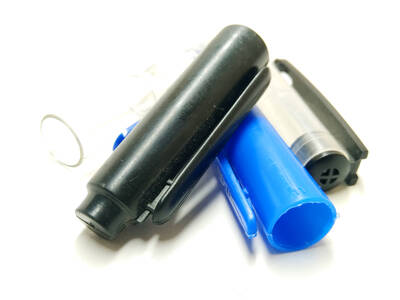
Despite being a basic tool, pens come in a wide variety of forms. Classic styles include fountain pens, which deliver liquid ink smoothly through metal tips. Another common type is the ballpoint pen, which is easy to use. There are even special felt pens that are especially popular among artists. __1__ They have a small hole at the top. So why is it there in the first place? Could it actually be a design flaw? __2__ Since 1991, companies such as BIC have been producing ballpoint pens with holes in their caps for two main reasons: quality control


 RSS
RSS