


Despite being a basic tool, pens come in a wide variety of forms. Classic styles include fountain pens, which deliver liquid ink smoothly through metal tips. Another common type is the ballpoint pen, which is easy to use. There are even special felt pens that are especially popular among artists. __1__ They have a small hole at the top.
So why is it there in the first place? Could it actually be a design flaw? __2__ Since 1991, companies such as BIC have been producing ballpoint pens with holes in their caps for two main reasons: quality control and user safety.
First, the hole helps stabilize air pressure inside the pen. Many assume that the opening causes ink to dry out, but the opposite is true. Air circulation prevents pressure from building up. __3__ To maintain your pen’s performance, just remember to put the cap back on after every use.
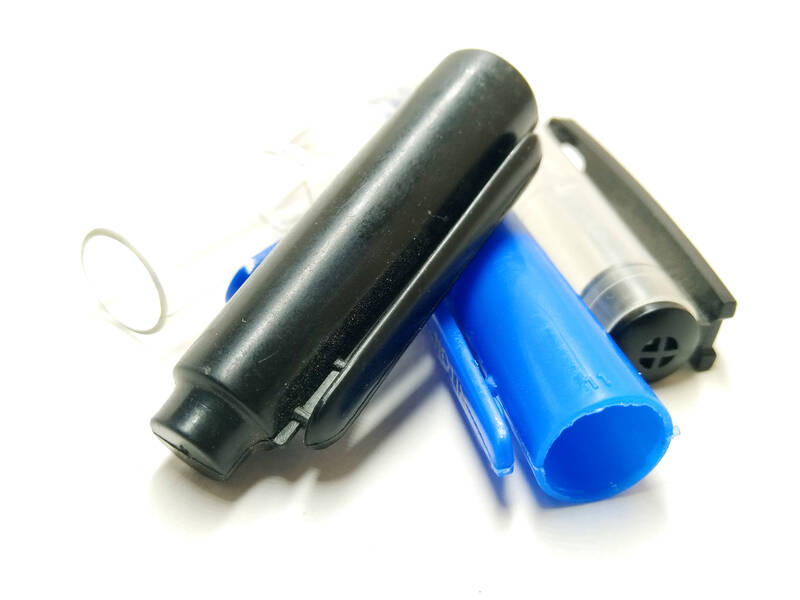
Photo: Ivy English I 照片:常春藤解析英語
Second, the hole could one day save a life. People often chew on pen caps while thinking, and children may even swallow them accidentally. If the cap gets stuck in one’s throat, the vented design allows air to pass through. __4__
While the tiny hole in a pen cap might seem insignificant, it actually plays an important role in both function and safety. The next time you absentmindedly put the cap near your mouth, you can rest assured that a built-in safety feature is there to keep both your ink fresh and you safe. It is proof that thoughtful design isn’t always about size or how complicated it is—it’s about purpose.
雖然筆只是基本的工具,卻有著各式各樣的種類。經典款式包括鋼筆,能透過金屬筆尖順暢地輸出液體墨水。另一種常見的類型是原子筆,使用方便。甚至還有一些特製的氈頭筆,特別受藝術家歡迎。雖然設計各異,但大多數筆的──至少對帶筆蓋的那些筆來說 ── 都有一個令人驚訝的共同點。其頂端都有一個小洞。
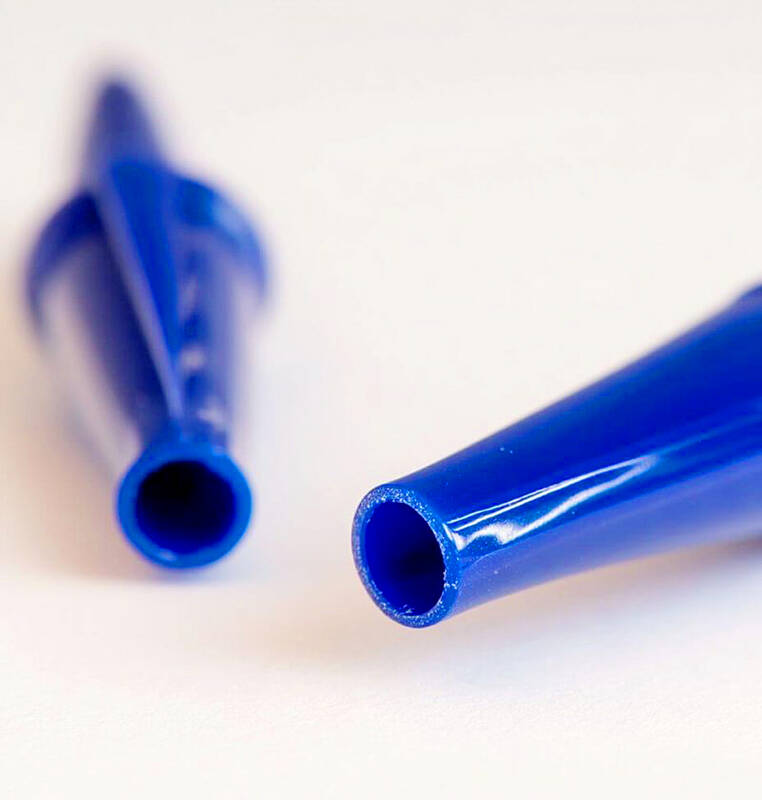
Photo: Ivy English I 照片:常春藤解析英語
所以這個洞一開始為什麼會在那裡呢?難道它其實是設計上的瑕疵?原來,這是一項刻意而聰明的設計。自 1991 年以來,像 BIC 這樣的公司便開始生產筆蓋上有洞的原子筆,主要有兩個原因:品質控制與使用者安全。
首先,這個洞有助於穩定筆內的氣壓。許多人認為這個開口會讓墨水乾掉,但正好相反。空氣流通能防止壓力累積。這樣其實能讓墨水流動更順暢、也能用得更久。想維持筆的性能,只要記得每次使用後都要蓋回筆蓋。
其次,這個洞有朝一日還可能救人一命。人們在思考時常會咬筆蓋,小孩甚至有可能會不小心吞下筆蓋。如果筆蓋卡在喉嚨裡,通氣孔的設計能讓空氣通過。如此一來,就能降低窒息的風險。
雖然筆蓋上的小洞可能看似微不足道,卻在功能與安全上扮演著重要角色。下次當你心不在焉地把筆蓋放到嘴邊時大可放心,這個內建的安全設計同時讓你的墨水保持溼潤,也守護了你的安全。這證明了貼心周到的設計不總是在於大小或複雜度,而在於其目的性。
What Did You Learn?
(A) This, in turn, reduces the risk of choking.
(B) It turns out to be an intentional and clever feature.
(C) Consequently, some pens can write on almost any surface.
(D) This actually keeps the ink flowing smoothly and lasting longer.
(E) Although designs vary, most pens—at least those with caps — share one surprising feature.
答案 :
1. E 2. B 3. D 4. A
Words in Use
1. flaw n. 瑕疵
Olivia noticed a tiny flaw in the glass cup and decided not to buy it.
奧莉薇雅注意到玻璃杯上有個小瑕疵,決定不買了。
2. assume vt. 認為
assume + (that) 子句 認為……
Henry assumed that the store would be open on Sundays.
亨利以為這間店星期天會開門。
3. opposite n. 相反的人∕事∕物
Emily’s calm personality is the complete opposite of Jack’s energy.
艾蜜莉冷靜的個性正好與傑克的活力完全相反。
4. circulation n. 流通
Good air circulation keeps the room fresh and comfortable.
良好的空氣流通能讓房間保持清新舒適。
5. performance n. 性能,表現
The mechanic checked the car’s engine performance before the trip.
在出發旅行前,技師檢查了汽車的引擎性能。
Practical Phrases
1. come in. . . 有……(的顏色、形狀、尺寸等)
The new shoes come in three colors—black, white, and gray.
這款新鞋有三種顏色 ── 黑、白與灰。
2. in the first place 最初,原本
Frank shouldn’t have lied in the first place.
法蘭克一開始就不該說謊。
3. dry out 變乾
The paint will dry out if you leave the lid open.
如果你不蓋上蓋子,油漆就會變乾。
4. chew on. . . 咬著……
Susan chewed on her lip nervously during the interview.
蘇珊在面試時緊張地咬著嘴唇。
5. rest assured that S + V 大可放心……
You can rest assured that every product is carefully tested before sale.
你可以放心,每件產品販售前都仔細檢查過。
聽文章朗讀及講解: https://ivy.pse.is/455bfu
本文出自常春藤解析英語雜誌: www.ivy.com.tw
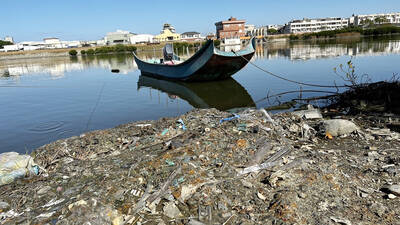
Many consumers are guilty of filling drawers or closets with old laptops, cellphones, fitness trackers and other electronic devices once they are no longer needed. It’s hard to know where to recycle such items, or it seems costly and inconvenient to do so. The world generates millions of tons of electronic waste — also called e-waste — each year. According to the UN’s most recent estimate, people worldwide produced 62 million metric tons of e-waste in 2022, and only about 22 percent of it was properly recycled. The US’ Environmental Protection Agency estimates that less than a quarter of e-waste is
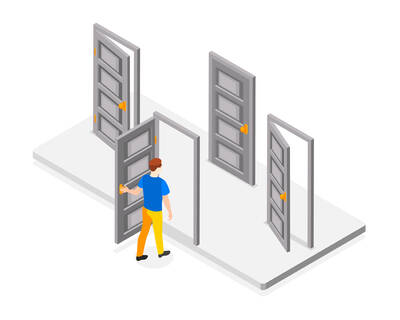
You’re sitting in class when a classmate asks to borrow a pencil. It seems like a small favor, so you agree without hesitation. The following week, the same classmate asks to share your notes. Later, they request help with a group project. You agree each time — after all, you helped out the first time — but before you know it, it has become automatic. This scenario demonstrates the “foot-in-the-door technique,” a psychological concept that shows how agreeing to small, acceptable demands makes it easier to accept larger ones later on. The name for this strategy comes from door-to-door

A: The four-day Tomb Sweeping Day long weekend begins Friday and will run until Monday. Are you going to sweep your ancestors’ tombs? B: I did in advance last weekend, so I can go to Kaohsiung to see the musical “The Phantom of the Opera.” A: Wow, is “Phantom” touring Taiwan again? It debuted in 1986, so this year marks the 40th anniversary of the show. B: And it’s not just touring Kaohsiung starting March 31, but also Taipei starting April 21 and Taichung starting May 26. A: “Phantom” is one of the world’s Four Major Musicals. I’ve seen all of them, except “Les

Dos & Don’ts — 想想看,這句話英語該怎麼說? 1. 我們很早到達電影院。 ˇ We arrived at the theater very early. χ We arrived the theater very early. 註︰arrive 為不及物動詞,後面如果有受詞要用 at 或 in。例如:They arrived in Taipei yesterday.。一般大地方,如國家、省、大城市等前面用 in,凡小地方城鎮、學校等則用 at。 2. 開車半小時以後,我們到達了海灘。 ˇ After half an hour’s drive, we got to the beach. χ After half an hour’s drive, we got the beach. 註︰come, go, get(來、去、到達)某地時,在表示地點的名詞前面應該用 to,如 go to school, go to Taipei, come to Shanghai 等。如果這些動詞後面所跟的是 here, there, home 等副詞,則不用 to。 3. 明天我會回辦公室。 ˇ I will be back in the office tomorrow. χ I will be back to office tomorrow. 註︰to be back 一語裡的 back 是副詞,不是介詞,所以後面要用 at (the market) 或 in (the office)。 假如假期結束,要回學校上課了則可說: ? Kids will be back


 RSS
RSS