


Chinese practice
面紅耳赤;怒不可遏
(mian4 hong2 er3 chi4; nu4 bu4 ke3 e4)

Photo: Paul cooper, Taipei Times
照片:台北時報記者古德謙攝
當我們說某人「see red」,意思是說他突然間暴怒。為什麼用紅色?或許是因為當人暴跳如雷時,血液急速衝向腦門,連帶眼睛所見也變得帶有血液的紅色。另一個有趣但缺乏科學證據的可能解釋是說,這是源於西班牙的鬥牛傳統,鬥牛士揮舞著紅布來挑釁和激怒公牛。這樣的動作雖會激怒牛,但跟紅色沒有什麼關係,因為牛是色盲。儘管如此,還是從此衍生出了「like red rag to a bull」這種說法,意指某事將會激怒他人。
中文也有一個成語叫做「怒不可遏」,意指無法遏抑的盛怒,這是出自晚清文人李寶嘉所著之小說《官場現形記》。再回溯至宋朝,也有「面紅耳赤」的說法,以紅色來表達強烈的情緒,字面上是說「臉變紅色、耳朵變赤色」,這是出自《朱子語類》,該書收集了南宋理學家朱熹及其弟子之間的討論。在這個例子中,面紅耳赤不只用以形容憤怒,也可指情緒激動及窘迫。其中又以窘迫為今日最常見的用法。
(台北時報編譯林俐凱譯)
他們兩人為了票該投給哪個政黨,吵得面紅耳赤。
(The two of them both saw red over which party to vote for.)
爸爸一回家,發現客廳的古董花瓶打碎了,怒不可遏,把哥哥臭罵了一頓。
(When father returned home and discovered the antique vase in the living room had been smashed, he flew off the handle and tore into my brother.)
英文練習
Seeing red; red rag to a bull
When we say somebody “sees red,” we mean they suddenly become extremely angry. Why red? Perhaps because people’s vision can actually take on a red tinge when they fly into a rage; they have a “sudden rush of blood to the head,” and the blood lends its color to their vision. There is another explanation that, while interesting and certainly possible, is actually scientifically dubious: that it originates in the Spanish tradition of bull-fighting, in which a toreador whips the bull up into a rage by waving a red cloth. The action may well enrage the animal, but it is unlikely the color red has anything to do with it: bulls are color-blind. Nevertheless, it also spawned the phrase “like red rag to a bull,” a reference to the red cloth used to rile the animal.
In Chinese, there is 怒不可遏, to “fly into an uncontrollable rage,” originally from the late Qing novel Officialdom Unmasked by Li Baojia; and if we go back to the Song dynasty, we have another phrase, again using the idea of red to connote strong emotion, from a collection of discussions between the Southern Song period Neo-Confucian philosopher Zhu Xi and his disciples, the Thematic Discourses of Master Zhu: 面紅耳赤, literally “the face turns red; the ears scarlet.” In this case, the color can denote not just anger, but also excitement and, most commonly nowadays, embarrassment.
(Paul Cooper, Taipei Times)
I wouldn’t mention the subject of forgetting birthdays if I were you. It would be like red rag to a bull.
(換做是我,我不會提起忘了生日這件事,這事鐵定會激怒他。)
I tell you, when he threatened my brother, I literally saw red.
(我跟你說,他威脅我弟弟的時候,我簡直是火冒三丈。)
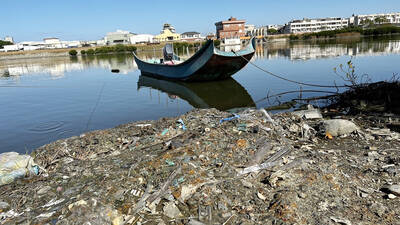
Many consumers are guilty of filling drawers or closets with old laptops, cellphones, fitness trackers and other electronic devices once they are no longer needed. It’s hard to know where to recycle such items, or it seems costly and inconvenient to do so. The world generates millions of tons of electronic waste — also called e-waste — each year. According to the UN’s most recent estimate, people worldwide produced 62 million metric tons of e-waste in 2022, and only about 22 percent of it was properly recycled. The US’ Environmental Protection Agency estimates that less than a quarter of e-waste is
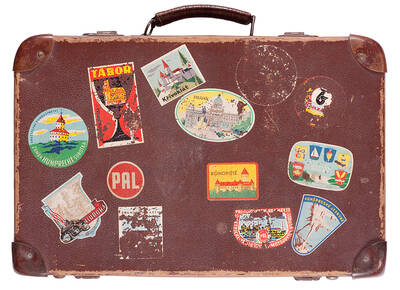
Travel fever is back, and it’s contagious. After years of being kept home during the COVID-19 pandemic, people are once again eager to explore the world. Rather than just book any trip, travelers are getting smarter about how they scratch that travel itch. Microcation Defined as four days or fewer and over 160km away from home, the microcation perfectly matches the post-pandemic mindset. After long periods of remaining indoors, people are making up for lost time by taking short, frequent getaways throughout the year. These brief trips avoid the work-life imbalance that comes with long absences. With only a few days away, one’s

Continued from yesterday(延續自昨日) https://www.taipeitimes.com/News/lang Gig Tripping “Gig tripping” combines concerts with travel. People fly to see their favorite artists perform — usually abroad—and spend a few days sightseeing before or after the show. While die-hard fans have done this since the 1960s, the post-pandemic travel boom changed the game. Even people who aren’t superfans are now booking international concert trips because they want to make the most of travel opportunities. This trend exploded in the US, as the math makes sense. Domestic concert tickets are so costly that flying abroad for the show plus tourism expenses often matches or even beats the price
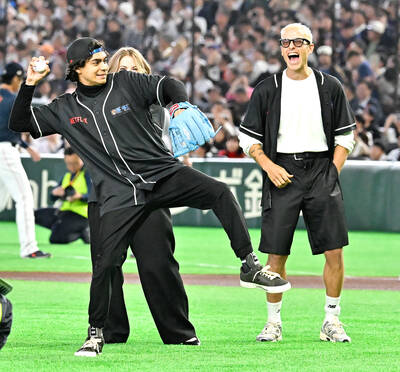
A: Apart from collaborating on crossover comics, “Chibi Maruko-chan” and “Crayon Shin-chan” will launch co-branded merchandise and pop-up stores this time. B: Actually, you don’t need to fly to Japan. Taipei’s Huashan 1914 Creative Park is hosting multiple anime-themed pop-up stores — including one for Shin-chan. A: Really? What other pop-up shops are there? B: They include stores themed around “Dragon Ball,” “Snoopy,” “Rilakkuma,” “One Piece,” “Jujutsu Kaisen,” “Frieren” and “Chiikawa X Sanrio.” A: Wow, I was just watching the second season of the live-action “One Piece.” We can visit the park during the Tomb-sweeping Day long weekend


 RSS
RSS