


The Chinese Taipei Olympic Committee recently unveiled the parade uniforms of the Taiwan team for the Rio 2016 Olympic Games. Designed by renowned fashion designer Khieng Fang, the uniforms, featuring a neon green color, will ensure the Taiwanese athletes shine at both the opening and closing ceremonies.
The uniforms this time include a Taiwanese-style straw hat, hoping to add an extra dash of style to the outfit. Not all the comments about the uniforms have been glowing. Some have said they look better than previous attempts, while others have been more critical, saying that any junior high school sports uniform would be an improvement.
Other countries’ Olympic teams have worked with designer brands, too. The US team will be wearing uniforms designed by Polo Ralph Lauren, the UK team will be wearing uniforms jointly designed by Stella McCartney and Adidas, the Canadian team is wearing Dsquared2, and the Swedish team is wearing H&M.
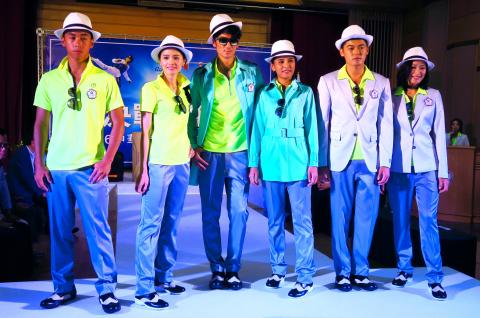
Photo: Lin Tsung-wei, Liberty Times
照片:自由時報記者林宗偉
The uniforms of the Chinese team, as usual, feature the colors of red and yellow on China’s five-star flag. Even Chinese netizens have mocked the rather tacky design as looking like “stir-fried tomatoes and eggs.”
(LIBERTY TIMES, TRANSLATED BY EDDY CHANG)
中華奧會發表里約奧運台灣代表隊團服,找來知名設計師方國強操刀,以螢光綠為主軸,要讓寶島運動員在開/閉幕式中驚豔全場。
本次團服還搭配台灣風格的草帽,增添人文氣息。不過公布之後反應兩極,有人覺得比往年好看,但也有人毒舌︰「隨便一間國中運動服都比這件好」。
至於各國的奧運代表隊,許多隊伍與知名時尚品牌合作。美國隊找上Polo Ralph Lauren,英國隊委託Stella McCartney與Adidas聯手打造,加拿大隊由Dsquared2操刀,瑞典隊則與H&M合作。
中國隊這次奧運的制服設計,一如既往採用五星旗的紅、黃兩色搭配,俗氣的設計連中國網友都吐槽像是「番茄炒蛋」。
(自由時報綜合報導)
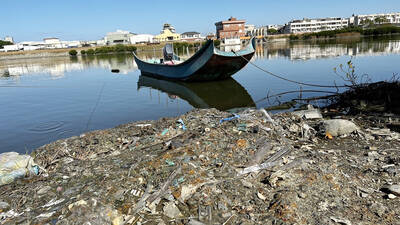
Many consumers are guilty of filling drawers or closets with old laptops, cellphones, fitness trackers and other electronic devices once they are no longer needed. It’s hard to know where to recycle such items, or it seems costly and inconvenient to do so. The world generates millions of tons of electronic waste — also called e-waste — each year. According to the UN’s most recent estimate, people worldwide produced 62 million metric tons of e-waste in 2022, and only about 22 percent of it was properly recycled. The US’ Environmental Protection Agency estimates that less than a quarter of e-waste is

You’re sitting in class when a classmate asks to borrow a pencil. It seems like a small favor, so you agree without hesitation. The following week, the same classmate asks to share your notes. Later, they request help with a group project. You agree each time — after all, you helped out the first time — but before you know it, it has become automatic. This scenario demonstrates the “foot-in-the-door technique,” a psychological concept that shows how agreeing to small, acceptable demands makes it easier to accept larger ones later on. The name for this strategy comes from door-to-door

A: The four-day Tomb Sweeping Day long weekend begins Friday and will run until Monday. Are you going to sweep your ancestors’ tombs? B: I did in advance last weekend, so I can go to Kaohsiung to see the musical “The Phantom of the Opera.” A: Wow, is “Phantom” touring Taiwan again? It debuted in 1986, so this year marks the 40th anniversary of the show. B: And it’s not just touring Kaohsiung starting March 31, but also Taipei starting April 21 and Taichung starting May 26. A: “Phantom” is one of the world’s Four Major Musicals. I’ve seen all of them, except “Les

對話 Dialogue 清清:這禮拜又有連假了,這次一共放四天。 Qīngqing: Zhè lǐbài yòu yǒu liánjià le, zhè cì yígòng fàng sì tiān. 華華:你是要過兒童節還是清明節? Huáhua: Nǐ shì yào guò Értóng jié háishì Qīngmíng jié? 清清:都要過啊!不管幾歲,都要有童心,才能永遠都年輕,知道嗎? Qīngqing: Dōu yào guò a! Bùguǎn jǐ suì, dōu yào yǒu tóngxīn, cái néng yǒngyuǎn dōu niánqīng, zhīdào ma? 華華:好啦!能當個長不大的孩子也好,就不會有那麼多煩惱了。 Huáhua: Hǎo la! Néng dāng ge zhǎngbúdà de háizi yě hǎo, jiù bú huì yǒu nàme duō fánnǎo le. 清清:還好春天有這兩個節假日,常常可以變成連假休息一下。 Qīngqing: Háihǎo chūntiān yǒu zhè liǎng ge jiéjiàrì, chángcháng kěyǐ biànchéng liánjià xiūxi yíxià. 華華:對啊!上禮拜我已經先跟家人去掃墓了,就怕清明節當天人太多。 Huáhua: Duì a! Shàng lǐbài wǒ yǐjīng xiān gēn jiārén qù sǎomù le, jiù pà Qīngmíng jié dāngtiān rén tài duō. 清清:親人雖然過世了,但有清明節掃墓的習俗,讓我們在不同的世界還是能「聚」一下、說說話,真的很有意義。 Qīngqing: Qīnrén suīrán guòshì le, dàn yǒu Qīngmíng jié


 RSS
RSS