


Choosing a name is a serious business. As more and more new ethnic Chinese migrants settle in the US, they obviously need to be cautious when selecting an English name. Some Chinese people try to stand out from the crowd by choosing names that sound like their Chinese names. For example, some Chinese women and girls whose name is Yiting choose to be called “Eating” in English.
The World Journal Web site reports that because some Chinese people are not very familiar with other countries’ cultures, they often make bloopers when choosing an English name. For instance, women whose Chinese names contain the syllable qian may like to pick Cherry as an English name, but in English the word cherry is not just a kind of fruit, but may also refer to a virgin’s hymen. Some names sound funny when they are paired with certain surnames. For example a Chinese person named Jolly Wang got laughed at whenever he told people his name. Only later did he find out that in Southern slang “wang” means what children call a “willy,” while “jolly” is another word for “happy,” so together they sound like “happy willy.”
There is another story about three ethnic Chinese women who called themselves after their favorite fashion brands — Chanel, Gucci and Tiffany. That is a joke that Americans’ could not have made up themselves. Some Chinese people take it a step further by naming themselves after their favorite thing — Money. When Americans hear a name like that, they might not know whether to laugh or cry.
(Liberty Times, translated by Julian Clegg)

Photo: Reuters
照片:路透社
取名字是一件慎重的事,隨著美國華人新移民的增加,取英文名字當然也要慎重!有些華人為了讓名字與眾不同,就用自己的中文名字取諧音,像有一位華人女孩叫「依婷」,英文名字就取了「Eating」。
世界新聞網報導,有些華人因為還不是很了解外國文化,取英文名字時就常鬧笑話。例如中文名字裡有「倩」的女孩,喜歡將英文名字取「Cherry」,但事實上,Cherry除了有櫻桃的意思外,還有處女膜的意思。而有的名字和姓氏搭配起來就會鬧笑話,例如一名華人Jolly Wang,每次報上名字就會被笑,後來才知道wang在南方俚語中是小弟弟的意思,而jolly則有開心之意,加在一起就變成「開心的小弟弟」。
還有三個華人女孩用自己喜歡的品牌取名,分別叫「Chanel」、「Gucci」與「Tiffany」,這是美國人無法編出的笑話,更有甚者,居然也有華人用他最喜歡的Money取名,實在令美國人哭笑不得。
(自由時報)
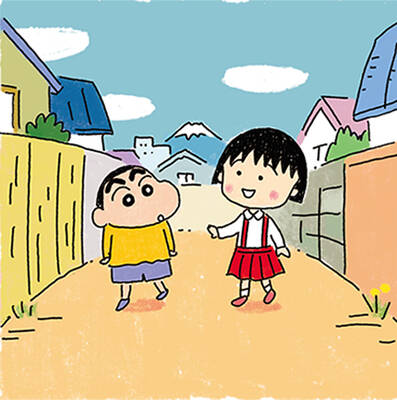
A: Popular humorous Japanese manga series “Chibi Maruko-chan” and “Crayon Shin-chan” will collaborate for their respective 40th and 35th anniversaries, publishing three crossover stories in April. B: Both were made into TV animation series, becoming huge hits in Asia. What are the crossover stories about? A: The first story features Shin-chan and his family visiting Maruko-chan’s hometown, Shizuoka City, where they run into each other. B: Wow, that sounds interesting. And then? A: The follow-ups feature Maruko-chan and her family visiting Shin-chan’s hometown, Kasukabe City. I bet the interactions between the two families will be funny. A: 熱門日本漫畫《櫻桃小丸子》、《蠟筆小新》4月將合作,為紀念小丸子40週年與小新35週年,推出三篇跨界聯動漫畫! B:

Many consumers are guilty of filling drawers or closets with old laptops, cellphones, fitness trackers and other electronic devices once they are no longer needed. It’s hard to know where to recycle such items, or it seems costly and inconvenient to do so. The world generates millions of tons of electronic waste — also called e-waste — each year. According to the UN’s most recent estimate, people worldwide produced 62 million metric tons of e-waste in 2022, and only about 22 percent of it was properly recycled. The US’ Environmental Protection Agency estimates that less than a quarter of e-waste is
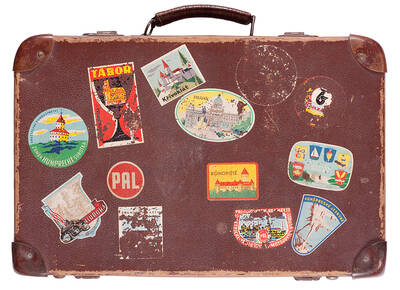
Travel fever is back, and it’s contagious. After years of being kept home during the COVID-19 pandemic, people are once again eager to explore the world. Rather than just book any trip, travelers are getting smarter about how they scratch that travel itch. Microcation Defined as four days or fewer and over 160km away from home, the microcation perfectly matches the post-pandemic mindset. After long periods of remaining indoors, people are making up for lost time by taking short, frequent getaways throughout the year. These brief trips avoid the work-life imbalance that comes with long absences. With only a few days away, one’s

Continued from yesterday(延續自昨日) https://www.taipeitimes.com/News/lang Gig Tripping “Gig tripping” combines concerts with travel. People fly to see their favorite artists perform — usually abroad—and spend a few days sightseeing before or after the show. While die-hard fans have done this since the 1960s, the post-pandemic travel boom changed the game. Even people who aren’t superfans are now booking international concert trips because they want to make the most of travel opportunities. This trend exploded in the US, as the math makes sense. Domestic concert tickets are so costly that flying abroad for the show plus tourism expenses often matches or even beats the price


 RSS
RSS