


With the arrival of the Spring Festival, the Centers for Disease Control (CDC) decided to take part in the traditional festivities of the Lunar New Year by holding an event at Taipei Main Station on Feb. 3, titled “Masters Write Spring Couplets to Prevent Epidemic Diseases.” For the event the CDC invited renowned calligrapher Chang Tai-pai to wield his brush, writing the couplet: “DOTS (directly observed treatment, short-course) tuberculosis control strategy will cut TB in half; reversing the AIDS trend trend starts with me.” Members of calligraphy clubs from the CDC and various schools, including National Taipei University of Education, attended the event to write spring couplets, which were available to the public free-of-charge. A person dressed as the God of Wealth attracted a lot of attention as he handed out condoms sealed in red envelopes that people were eager to procure. Taipei City Hospital deputy superintendent Yen Muh-yong, CDC division director Chen Chang-hsun, Taipei City Councilor Wang Cheng-de, CDC Director-General Chang Feng-yee, calligrapher Chang Tai-pai, “Mother Hung” from Taiwan AIDS Foundation, Taipei Railroad Station Master Ku Shih-yen and CDC Deputy Director-General Shih Wen-yi all attended the event, wielding their brushes together to write “Reversing AIDS trend starts with me.”
(Liberty Times, Translated by Kyle Jeffcoat)
農曆春節將至,疾病管制局因應年節習俗,二月三日在台北車站大廳舉辦「防疫春聯,大師義寫」活動,邀請書法家張太白義寫「都治關懷結核減半、逆轉愛滋從我做起」。疾管局及國立台北教育大學等學校書法社社員也到現場免費為民眾寫春聯,還有財神爺現場分送保險套,吸引人潮駐足觀看,踴躍索取。台北市立聯合醫院昆明院區院長顏慕庸、疾管局第三組組長陳昶勳、台北市議員王正德、疾管局局長張峰義、書法家張太白、紅絲帶基金會洪媽媽、台北車站站長古時彥、疾管局副局長施文儀,也親自提筆,合力完成「逆轉愛滋從我做起」。
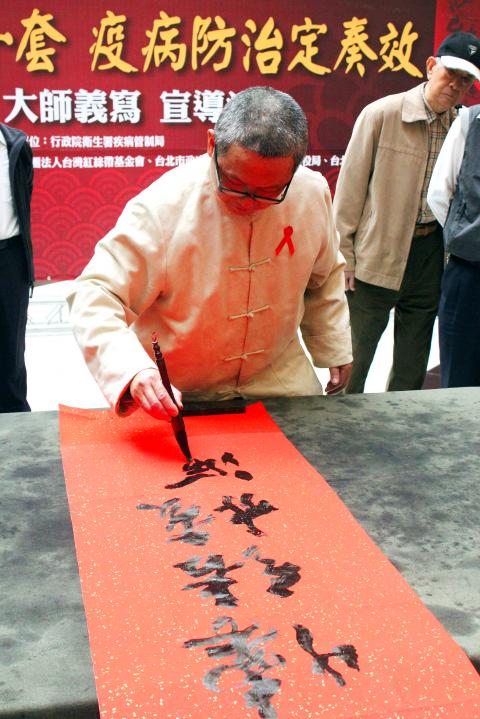
Photo: Chiu Yi-chun, Liberty Times
照片:自由時報記者邱宜君
(自由時報記者邱宜君 )
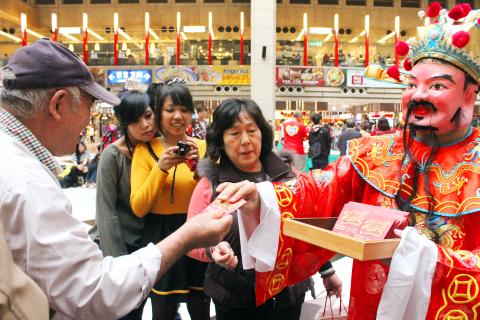
Photo: Chiu Yi-chun, Liberty Times
照片:自由時報記者邱宜君
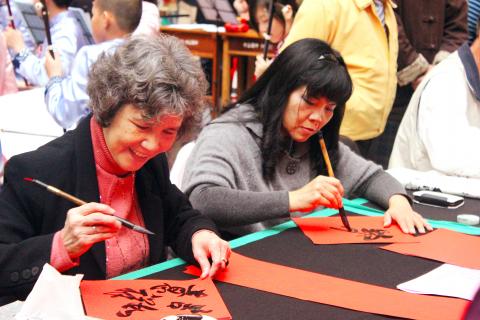
Photo: Chiu Yi-chun,Liberty Times
照片:自由時報記者邱宜君
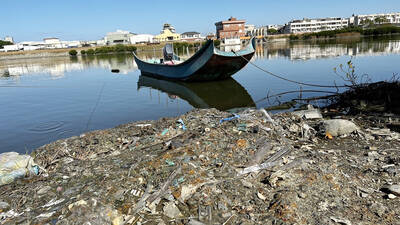
Many consumers are guilty of filling drawers or closets with old laptops, cellphones, fitness trackers and other electronic devices once they are no longer needed. It’s hard to know where to recycle such items, or it seems costly and inconvenient to do so. The world generates millions of tons of electronic waste — also called e-waste — each year. According to the UN’s most recent estimate, people worldwide produced 62 million metric tons of e-waste in 2022, and only about 22 percent of it was properly recycled. The US’ Environmental Protection Agency estimates that less than a quarter of e-waste is
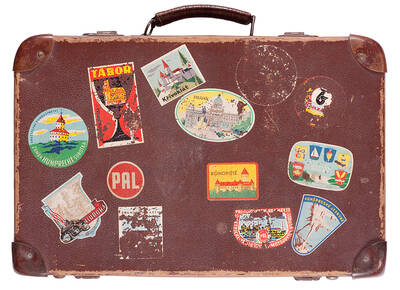
Travel fever is back, and it’s contagious. After years of being kept home during the COVID-19 pandemic, people are once again eager to explore the world. Rather than just book any trip, travelers are getting smarter about how they scratch that travel itch. Microcation Defined as four days or fewer and over 160km away from home, the microcation perfectly matches the post-pandemic mindset. After long periods of remaining indoors, people are making up for lost time by taking short, frequent getaways throughout the year. These brief trips avoid the work-life imbalance that comes with long absences. With only a few days away, one’s

Continued from yesterday(延續自昨日) https://www.taipeitimes.com/News/lang Gig Tripping “Gig tripping” combines concerts with travel. People fly to see their favorite artists perform — usually abroad—and spend a few days sightseeing before or after the show. While die-hard fans have done this since the 1960s, the post-pandemic travel boom changed the game. Even people who aren’t superfans are now booking international concert trips because they want to make the most of travel opportunities. This trend exploded in the US, as the math makes sense. Domestic concert tickets are so costly that flying abroad for the show plus tourism expenses often matches or even beats the price
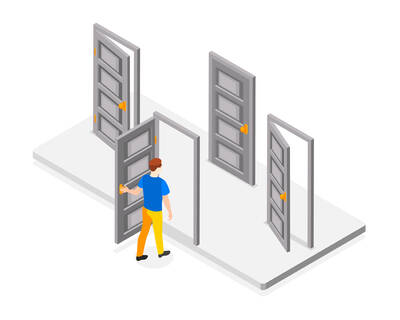
You’re sitting in class when a classmate asks to borrow a pencil. It seems like a small favor, so you agree without hesitation. The following week, the same classmate asks to share your notes. Later, they request help with a group project. You agree each time — after all, you helped out the first time — but before you know it, it has become automatic. This scenario demonstrates the “foot-in-the-door technique,” a psychological concept that shows how agreeing to small, acceptable demands makes it easier to accept larger ones later on. The name for this strategy comes from door-to-door


 RSS
RSS