


People wash their hair and go swimming more often in the summer, and with more water entering the ears along with damage caused by improper cleaning, symptoms, for example, pain, itching, secretions and odors, can also occur more frequently.
Otolaryngologists, or ear, nose and throat doctors, have recently seen a 30 percent increase in cases of acute otitis externa, or swimmer’s ear, which if left untreated could get worse and cause the eardrum to rupture, do damage to the middle ear, and possibly affect one’s hearing.
Swimmer’s ear is very common during the summer months. Wu Sih-wei, director of Taichung Hospital’s Department of Otolaryngology, says that around 90 percent of swimmer’s ear cases are water-related. Water can easily enter the ear when washing one’s hair, rinsing off in the shower or taking a dip in the pool to cool off. When the inside of the ear is wet and moist, people will usually want to dig around in their ears, but because the skin inside the ear canal is quite thin, damage can easily be done, causing inflammation if the water inside the ear is unsanitary.

Photo: Fang Pin-chao, Liberty Times
照片:自由時報記者方賓照
Many people this summer with ear infections are exhibiting the symptoms of pain and itching, and subsequently digging moist, odorous secretions out of their ears. In severe cases, people are not going to the doctor until pus starts running out of their ears. Most of the cases that doctors are seeing are swimmer’s ear. If the condition grows worse, it could cause the eardrum to rupture or otitis media, commonly called middle ear infection.
Aside from swimmer’s ear, many people are also getting chronic infections due to outer ear infections caused by mold, which also causes pain, itching and secretions.
Wu suggests wearing earplugs when swimming to keep water from entering the ears, and says people should not use cotton swabs or Q-tips to clean their ears after taking a shower or washing their hair to avoid doing damage to the ear canal and causing infection. Wu also adds that people should not use the same cotton swabs or Q-tips that have been used by other people when visiting hair or beauty salons.
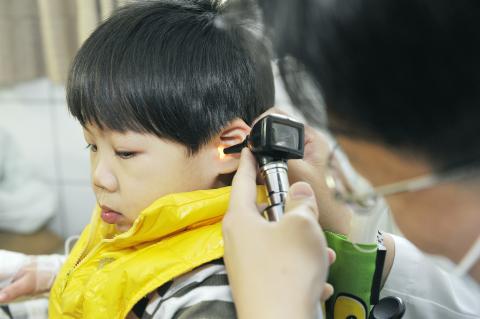
Photo: Lin Yi-chang, Liberty Times
照片:自由時報記者林宜樟
(Liberty Times, Translated by Kyle Jeffcoat)
夏季洗頭、游泳機會多,耳朵容易進水加上不當掏耳受傷,出現耳朵痛、癢、分泌物濕臭等不適,耳鼻喉科醫師觀察急性外耳炎患者增加三成,如果惡化,耳膜破損、傷及中耳,可能影響聽力。
夏季常見民眾罹患急性外耳炎,台中醫院耳鼻喉科主任吳思緯指出,約有九成患者與耳朵接觸水有關。洗頭、沖涼或是游泳消暑,都使得耳朵容易進水,當耳朵悶濕就會想掏耳朵,耳道皮膚薄,常因不當掏耳造成破皮,一旦水質不潔就容易感染細菌發炎。
今夏許多患者的耳朵出現疼痛、發癢症狀,又動手掏耳朵掏出又濕又臭的分泌物,有人嚴重到耳朵流出膿液才就醫,大多數是罹患急性外耳炎,再惡化可能造成耳膜破裂、中耳炎。
除了急性外耳炎,也有許多患者外耳感染黴菌造成慢性發炎,一樣又痛又癢,出現分泌物。
吳思緯建議,游泳戴耳塞,以避免耳朵進水,洗澡、洗頭後也盡量不要用棉花棒或用掏耳棒挖耳朵,以防耳道彎曲受傷造成發炎,也不要到理髮廳或理容院,與其他人共用掏耳棒清耳朵。
(自由時報記者蔡淑媛)
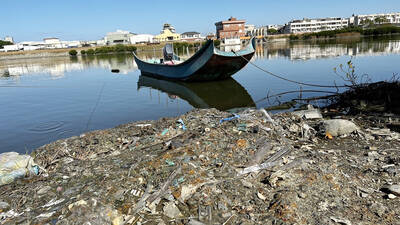
Many consumers are guilty of filling drawers or closets with old laptops, cellphones, fitness trackers and other electronic devices once they are no longer needed. It’s hard to know where to recycle such items, or it seems costly and inconvenient to do so. The world generates millions of tons of electronic waste — also called e-waste — each year. According to the UN’s most recent estimate, people worldwide produced 62 million metric tons of e-waste in 2022, and only about 22 percent of it was properly recycled. The US’ Environmental Protection Agency estimates that less than a quarter of e-waste is
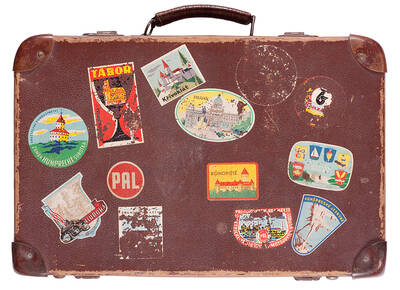
Travel fever is back, and it’s contagious. After years of being kept home during the COVID-19 pandemic, people are once again eager to explore the world. Rather than just book any trip, travelers are getting smarter about how they scratch that travel itch. Microcation Defined as four days or fewer and over 160km away from home, the microcation perfectly matches the post-pandemic mindset. After long periods of remaining indoors, people are making up for lost time by taking short, frequent getaways throughout the year. These brief trips avoid the work-life imbalance that comes with long absences. With only a few days away, one’s

You’re sitting in class when a classmate asks to borrow a pencil. It seems like a small favor, so you agree without hesitation. The following week, the same classmate asks to share your notes. Later, they request help with a group project. You agree each time — after all, you helped out the first time — but before you know it, it has become automatic. This scenario demonstrates the “foot-in-the-door technique,” a psychological concept that shows how agreeing to small, acceptable demands makes it easier to accept larger ones later on. The name for this strategy comes from door-to-door

Continued from yesterday(延續自昨日) https://www.taipeitimes.com/News/lang Gig Tripping “Gig tripping” combines concerts with travel. People fly to see their favorite artists perform — usually abroad—and spend a few days sightseeing before or after the show. While die-hard fans have done this since the 1960s, the post-pandemic travel boom changed the game. Even people who aren’t superfans are now booking international concert trips because they want to make the most of travel opportunities. This trend exploded in the US, as the math makes sense. Domestic concert tickets are so costly that flying abroad for the show plus tourism expenses often matches or even beats the price


 RSS
RSS