


A video of a man trapped in an elevator for 41 hours has become an Internet sensation.
The man was trapped in the elevator about nine years ago. Footage of the event recently emerged.
“After a certain period of time I knew that I was in pretty big trouble because it was the weekend,” Nicholas White said last week.
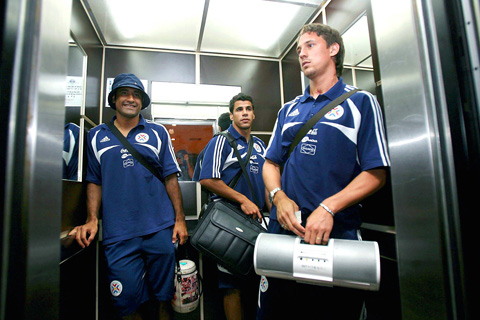
PHOTO: EPA
Video of his Oct. 15, 1999, ordeal in an elevator in New York was put online by The New Yorker. It was posted to accompany an article in the April 21 edition of the magazine.
White said he understood why the video has captured people’s attention — many people wonder what they would do if it happened to them.
The video includes classical piano music. It shows White trying to climb the walls, lying down on the floor and prying apart the doors. He said he went to the bathroom down the shaft when the doors were open.
White was working for Business Week when he left his office at about 11pm on a Friday for a cigarette break. Nobody knows for sure why the elevator stalled.(STAFF WRITER, WITH AP)
一則記錄一名男子受困電梯長達四十一小時的影片在網路上造成轟動。
這名男子約九年前受困電梯中,而該事件的影片最近才被公諸於世。
尼可拉斯.懷特上週表示:「受困一段時間後,我知道自己麻煩大了,因為當時正值週末。」
《紐約客》雜誌二十一日為配合該期雜誌中的一篇文章,便把懷特一九九九年十月十五日受困電梯過程的影片放上網路。
懷特說,他能理解為什麼這段影片會引人注意—許多人會想,如果這件事發生在自己身上,該怎麼辦。
影片以古典鋼琴樂做為配樂;片中懷特試圖攀牆、躺臥在地上及撬開電梯門;他說他在門打開時,朝著電梯通風井如廁。
懷特當時任職於美國《商業週刊》,事發當天適逢星期五,他晚上十一點左右離開辦公室,準備到外面去抽根菸休息一下;電梯故障原因至今不明。
(美聯社�翻譯:袁星塵)
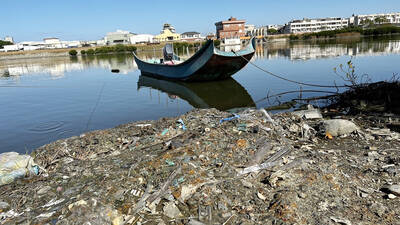
Many consumers are guilty of filling drawers or closets with old laptops, cellphones, fitness trackers and other electronic devices once they are no longer needed. It’s hard to know where to recycle such items, or it seems costly and inconvenient to do so. The world generates millions of tons of electronic waste — also called e-waste — each year. According to the UN’s most recent estimate, people worldwide produced 62 million metric tons of e-waste in 2022, and only about 22 percent of it was properly recycled. The US’ Environmental Protection Agency estimates that less than a quarter of e-waste is
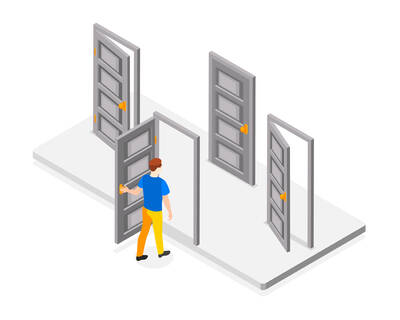
You’re sitting in class when a classmate asks to borrow a pencil. It seems like a small favor, so you agree without hesitation. The following week, the same classmate asks to share your notes. Later, they request help with a group project. You agree each time — after all, you helped out the first time — but before you know it, it has become automatic. This scenario demonstrates the “foot-in-the-door technique,” a psychological concept that shows how agreeing to small, acceptable demands makes it easier to accept larger ones later on. The name for this strategy comes from door-to-door

A: The four-day Tomb Sweeping Day long weekend begins Friday and will run until Monday. Are you going to sweep your ancestors’ tombs? B: I did in advance last weekend, so I can go to Kaohsiung to see the musical “The Phantom of the Opera.” A: Wow, is “Phantom” touring Taiwan again? It debuted in 1986, so this year marks the 40th anniversary of the show. B: And it’s not just touring Kaohsiung starting March 31, but also Taipei starting April 21 and Taichung starting May 26. A: “Phantom” is one of the world’s Four Major Musicals. I’ve seen all of them, except “Les

對話 Dialogue 清清:這禮拜又有連假了,這次一共放四天。 Qīngqing: Zhè lǐbài yòu yǒu liánjià le, zhè cì yígòng fàng sì tiān. 華華:你是要過兒童節還是清明節? Huáhua: Nǐ shì yào guò Értóng jié háishì Qīngmíng jié? 清清:都要過啊!不管幾歲,都要有童心,才能永遠都年輕,知道嗎? Qīngqing: Dōu yào guò a! Bùguǎn jǐ suì, dōu yào yǒu tóngxīn, cái néng yǒngyuǎn dōu niánqīng, zhīdào ma? 華華:好啦!能當個長不大的孩子也好,就不會有那麼多煩惱了。 Huáhua: Hǎo la! Néng dāng ge zhǎngbúdà de háizi yě hǎo, jiù bú huì yǒu nàme duō fánnǎo le. 清清:還好春天有這兩個節假日,常常可以變成連假休息一下。 Qīngqing: Háihǎo chūntiān yǒu zhè liǎng ge jiéjiàrì, chángcháng kěyǐ biànchéng liánjià xiūxi yíxià. 華華:對啊!上禮拜我已經先跟家人去掃墓了,就怕清明節當天人太多。 Huáhua: Duì a! Shàng lǐbài wǒ yǐjīng xiān gēn jiārén qù sǎomù le, jiù pà Qīngmíng jié dāngtiān rén tài duō. 清清:親人雖然過世了,但有清明節掃墓的習俗,讓我們在不同的世界還是能「聚」一下、說說話,真的很有意義。 Qīngqing: Qīnrén suīrán guòshì le, dàn yǒu Qīngmíng jié


 RSS
RSS