


Most lizards have two eyes, two ears, two arms, two legs and two ... tails? No, that's not right! Most lizards only have one tail. Can you imagine how surprised the man in this picture was when he found this lizard?
This lizard has two tails, which makes it look a little different from other lizards. In general, no matter how many tails they have, lizards are very helpful to humans. Lizards love to eat bugs that might otherwise bite or bother humans.
Sometimes, it's the humans who do the eating. In some parts of the world, lizards are considered to be a delicious food. Many people also like to keep lizards as pets. Can you imagine showing off a two-tailed lizard like this one to your friends? (Kayleen Hartman, staff writer)
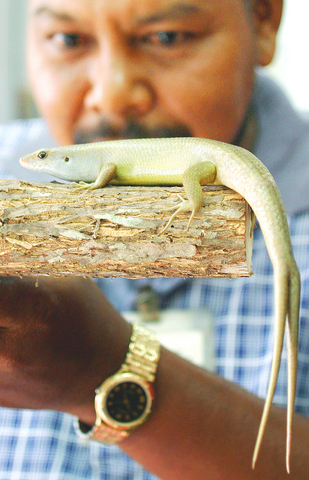
PHOTO : AP
多數蜥蜴有兩隻眼睛、兩隻耳朵、兩條手臂、兩條腿和?兩條尾巴?不,不對!大部份的蜥蜴只有一條尾巴。你能想像照片中的男子發現這隻蜥蜴時有多驚訝嗎?
這條蜥蜴有兩條尾巴,所以看起來和其他蜥蜴有點不同。大體來說,蜥蜴不論有幾條尾巴都對人類有益,牠們愛吃可能會叮咬或騷擾人類的昆蟲。
有時人類自己就是進食者。蜥蜴在世界某些地區被認為是佳餚,許多人也愛把蜥蜴當寵物。你能想像向朋友炫耀照片中這條「雙尾蜥蜴」嗎? (翻譯:鄭湘儀)

Many consumers are guilty of filling drawers or closets with old laptops, cellphones, fitness trackers and other electronic devices once they are no longer needed. It’s hard to know where to recycle such items, or it seems costly and inconvenient to do so. The world generates millions of tons of electronic waste — also called e-waste — each year. According to the UN’s most recent estimate, people worldwide produced 62 million metric tons of e-waste in 2022, and only about 22 percent of it was properly recycled. The US’ Environmental Protection Agency estimates that less than a quarter of e-waste is
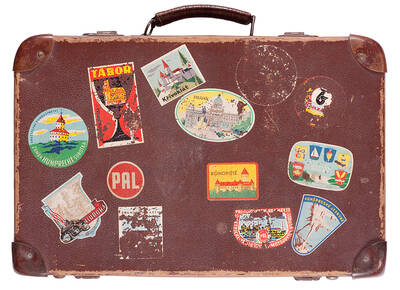
Travel fever is back, and it’s contagious. After years of being kept home during the COVID-19 pandemic, people are once again eager to explore the world. Rather than just book any trip, travelers are getting smarter about how they scratch that travel itch. Microcation Defined as four days or fewer and over 160km away from home, the microcation perfectly matches the post-pandemic mindset. After long periods of remaining indoors, people are making up for lost time by taking short, frequent getaways throughout the year. These brief trips avoid the work-life imbalance that comes with long absences. With only a few days away, one’s

You’re sitting in class when a classmate asks to borrow a pencil. It seems like a small favor, so you agree without hesitation. The following week, the same classmate asks to share your notes. Later, they request help with a group project. You agree each time — after all, you helped out the first time — but before you know it, it has become automatic. This scenario demonstrates the “foot-in-the-door technique,” a psychological concept that shows how agreeing to small, acceptable demands makes it easier to accept larger ones later on. The name for this strategy comes from door-to-door

Continued from yesterday(延續自昨日) https://www.taipeitimes.com/News/lang Gig Tripping “Gig tripping” combines concerts with travel. People fly to see their favorite artists perform — usually abroad—and spend a few days sightseeing before or after the show. While die-hard fans have done this since the 1960s, the post-pandemic travel boom changed the game. Even people who aren’t superfans are now booking international concert trips because they want to make the most of travel opportunities. This trend exploded in the US, as the math makes sense. Domestic concert tickets are so costly that flying abroad for the show plus tourism expenses often matches or even beats the price


 RSS
RSS