


School faculty and staff members would need to have received a first dose of a COVID-19 vaccine at least 14 days before or provide proof of a negative COVID-19 test taken up to three days prior to be allowed entry when classes resume next month, guidelines proposed by the Ministry of Education showed yesterday.
The proposed guidelines on the prevention of COVID-19 on school campuses drafted by the ministry would cover kindergartens to high schools.
They were announced ahead of Sept. 1 — when public and private high schools and under are to begin the 2021-2022 academic year.
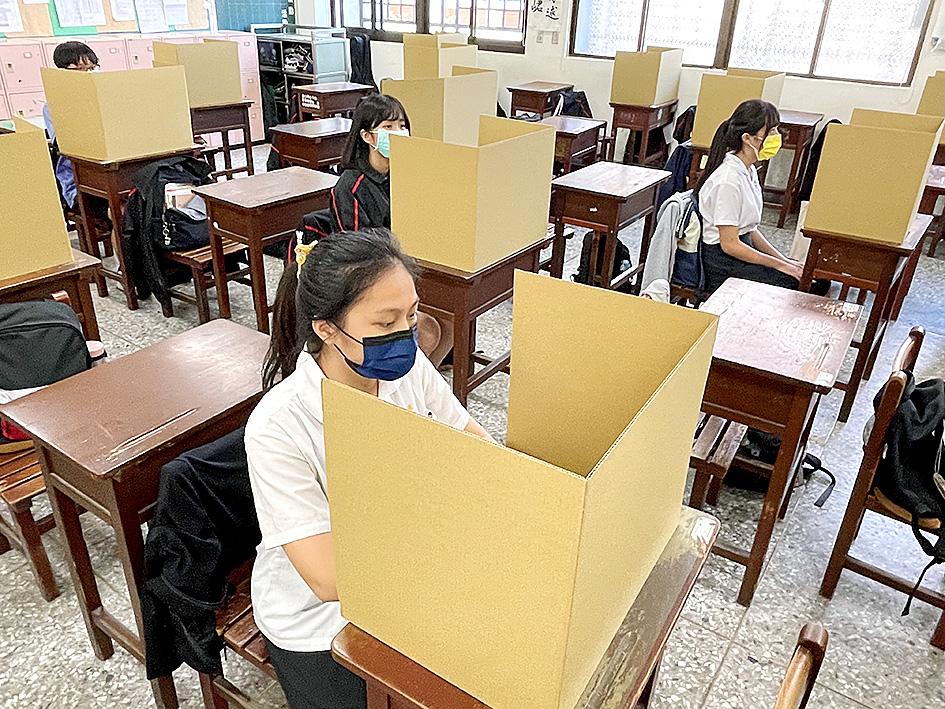
Photo: Su Meng-chuan, Taipei Times
Besides providing initial proof of a negative result from a rapid antigen or polymerase chain reaction (PCR) test before they enter campus for the first time following the summer break, faculty and staff members who have not been vaccinated at least 14 days prior would also need to undergo a rapid antigen or PCR test once every seven days thereafter, the K-12 Education Administration said in a statement.
In general, parents and visitors would not be permitted to enter schools, it said, but exceptions could be made by school officials if there was a recognized need.
People with a fever or acute respiratory infection would be prohibited from campuses, it added.
Students and teachers should have their temperatures taken upon arrival at school, as well as before afternoon classes begin, the guidelines show.
Masks should be worn at all times, except when eating or drinking.
The ministry also included protocols on the disinfection of school premises, as well as guidelines on how schools should handle large gatherings, physical education classes, on-campus dining and other activities.
The draft guidelines have been submitted to the Central Epidemic Command Center for approval and would be reassessed once every two weeks after school starts, with possible revisions depending on the COVID-19 situation, the agency added.
To help schools make COVID-19-related preparations for the start of school, the ministry is to provide about NT$300 million (US$10.8 million) to subsidize the purchase of needed supplies, Minister of Education Pan Wen-chung (潘文忠) told an online news conference.
That would include dividers for dining areas, rapid test kits and backup supplies of masks, he added.
Earlier yesterday, Taiwan People’s Party Legislator Ann Kao (高虹安) and Hou Chun-liang (侯俊良), president of the National Federation of Teachers’ Unions, told an online news conference that educators who have not been vaccinated against COVID-19 through no choice of their own should not have to pay to receive mandatory rapid screening for the virus.
The cost of the testing should be paid by the government, they said.
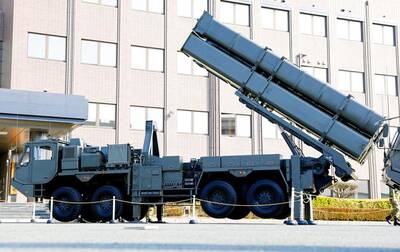
Japan has deployed long-range missiles in a southwestern region near China, the Japanese defense minister said yesterday, at a time when ties with Beijing are at their lowest in recent years. The missiles were installed in Kumamoto in the southern region of Kyushu, as Japan is attempting to shore up its military capacity as China steps up naval activity in the East China Sea. “Standoff defense capabilities enable us to counter the threat of enemy forces attempting to invade our country ... while ensuring the safety of our personnel,” Japanese Minister of Defense Shinjiro Koizumi said. “This is an extremely important initiative for
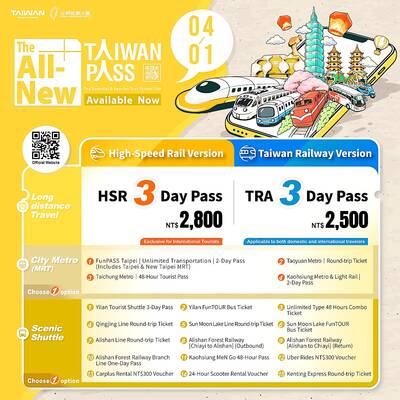
MORE POPULAR: Taiwan Pass sales increased by 59 percent during the first quarter compared with the same period last year, the Tourism Administration said The Tourism Administration yesterday said that it has streamlined the Taiwan Pass, with two versions available for purchase beginning today. The tourism agency has made the pass available to international tourists since 2024, allowing them to access the high-speed rail, Taiwan Railway Corp services, four MRT systems and four Taiwan Tourist Shuttles. Previously, five types of Taiwan Pass were available, but some tourists have said that the offerings were too complicated. The agency said only two types of Taiwan Pass would be available, starting from a three-day pass with the high-speed rail and a three-day pass with Taiwan Railway Corp. The former costs NT$2,800

POLLS CONCERNS: There are concerns within the KMT that a Cheng Li-wun-Xi Jinping meeting could trigger a voter backlash in elections in November Chinese Nationalist Party (KMT) Chairwoman Cheng Li-wun (鄭麗文) accepted an invitation from Chinese President Xi Jinping (習近平) to visit next month, her party and Chinese state media reported yesterday. Cheng, who took up her role in November last year, “gladly accepted” the invitation to lead a delegation to China, the KMT said in a statement, confirming a Xinhua news agency report. Cheng “looks forward to joint efforts by both parties to advance the peaceful development of cross-strait relations, promote cross-strait exchanges and cooperation, and work for peace in the Taiwan Strait and greater well-being for people on both sides,” the statement said. Chinese
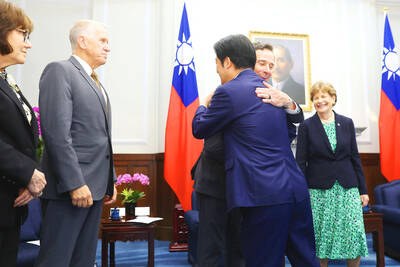
SIGNIFICANT TO THE WORLD: The delegation’s visit aims to send a clear message that bipartisan support for Taiwan is consistent, US Senator Jeanne Shaheen said The US Senate’s bipartisan support for Taiwan remains strong and Taiwan-US ties would continue for decades to come, a US Senate delegation said in Taipei yesterday, while calling on the legislature to swiftly pass a special defense budget bill. A US delegation led by Democratic US Senator Jeanne Shaheen and Republican US Senator John Curtis — both members of the US Senate Committee on Foreign Relations — arrived in Taiwan yesterday for a two-day visit. The other senators of the delegation included Senate Taiwan Caucus cochair Thom Tillis and Senate Committee on Armed Services senior member Jacky Rosen. Shaheen told a news


 RSS
RSS