

The central government sets the nation’s environmental strategy and directs the push for net zero. It proposes laws and decides how most tax dollars are spent. The country’s local governments aren’t powerless, however. They draft local ordinances, assign manpower to carry out inspections, and — a recently-published assessment of environmental governance at the city/county level makes clear — have their own priorities.
On Dec. 24, the Taiwan Environmental Protection Union (TEPU, 台灣環境保護聯盟) released its latest Municipal and County Government Sustainable Governance Evaluation Report. After analyzing 99 metrics, the NGO declared that the environment-related policies and implementation of Kaohsiung City, Tainan City and Pingtung County were “excellent,” while those of Changhua County, Chiayi County, Hsinchu City, Hualien County, Kinmen County, Miaoli County and Yunlin County were “good.”
Referring to the local elections scheduled for later this year, TEPU’s leaders expressed a hope that citizens “will use the results of this report as a reference when voting” — especially as 12 of the country’s 22 subnational divisions didn’t respond to TEPU’s request for data. During the press conference at which it unveiled its ratings, the NGO pointed out that the non-participating cities and counties are in most cases governed by the Chinese Nationalist Party (KMT), and said their failure “demonstrates arrogance and a regressive attitude toward ‘open government’ and ‘citizen participation.’”
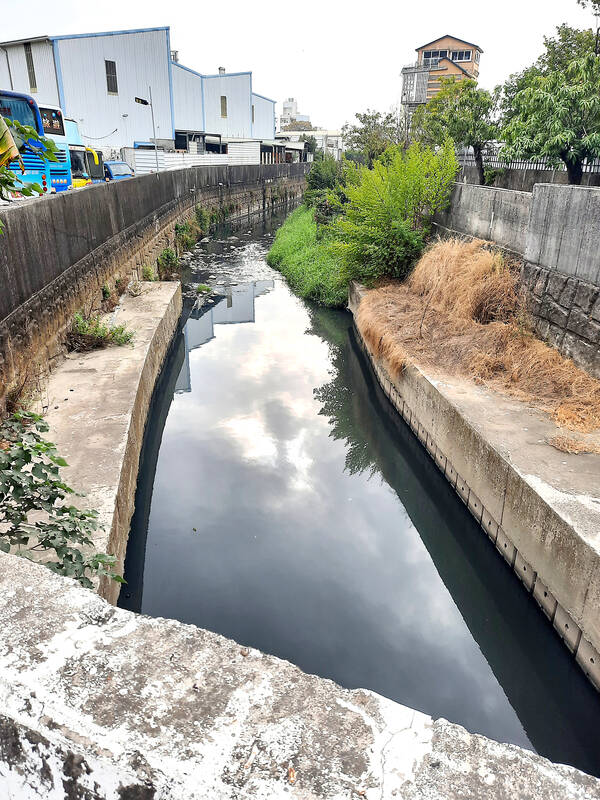
Photo: Steven Crook
Taipei and New Taipei joined the annual survey between its launch in 2016 and 2021. New Taipei maintained an “excellent” status until 2020, while Taipei reached that same tier in 2017 after an initial “good” rating. However, in 2021 — the only year in which all of Taiwan’s cities and counties took part — both metropolises slipped to “good,” trailing four other local governments. Since that downgrade, neither the capital nor the
municipality which surrounds it have engaged with TEPU’s assessment process, suggesting those in charge are more interested in winning accolades than identifying areas where they might improve.
SURPRISES
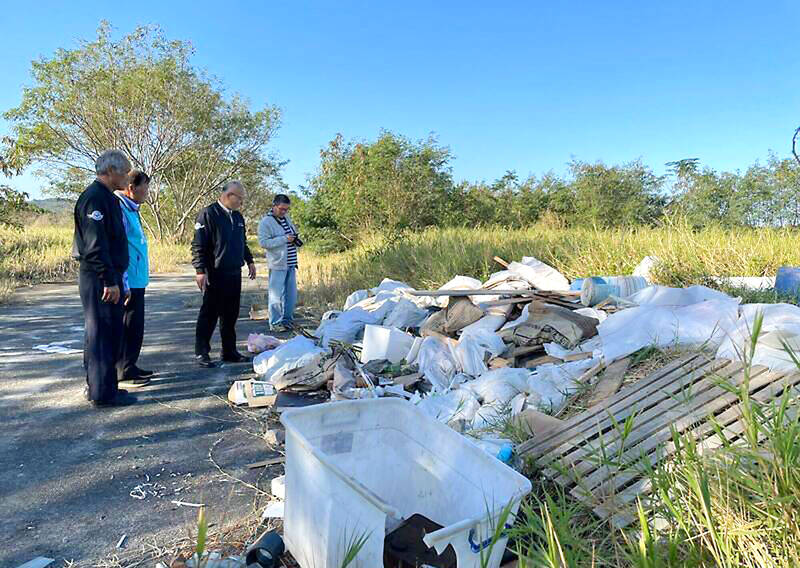
TT file photo
The full report, which can be downloaded from TEPU’s Web site, features 40 bar charts, and several of them contain surprises.
According to chart no. 10, eight of the 10 local governments reported roughly similar per capita amounts of garbage for 2024, from 1.27kg per day in Yunlin County to 1.7kg in Hsinchu City. For Kinmen County, however, the daily average was 0.579kg. For Changhua County it was even lower, just 0.538kg.
Kinmen doesn’t have much industry, but in terms of economic profile, Changhua isn’t very different from its neighbors. TEPU’s report doesn’t comment on this startling statistic, which on the face of it suggests the latter county may have a problem tallying the amount of waste that’s being generated, or that huge quantities (given its population of 1.21 million, perhaps over 300,000 metric tons per year) are being disposed of unofficially, informally and/or illegally.
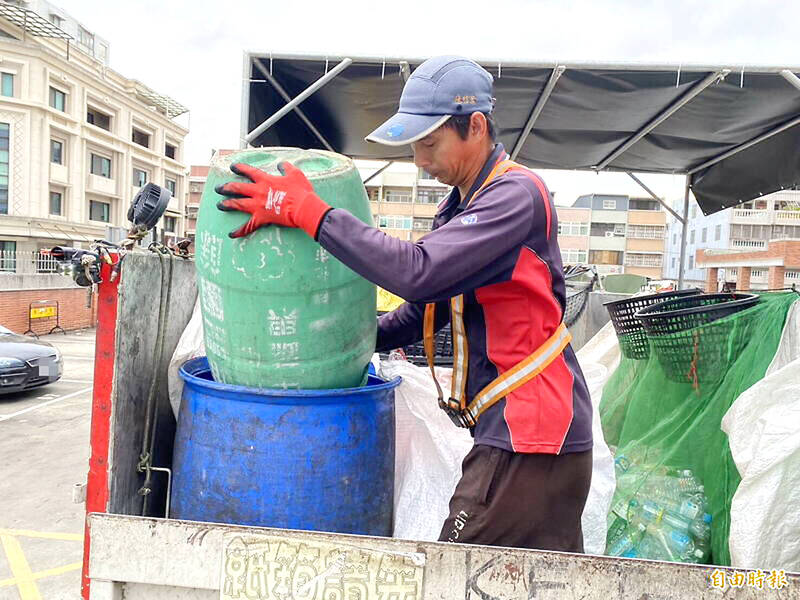
Photo: Chang Tsung-chiu, Taipei Times
Local policies seem to explain at least part of the disparity. In July 2024, the Changhua County Government implemented some of the country’s strictest trash-processing rules. Sanitation workers are now encouraged to open garbage bags before they’re tossed into the compactor truck; if they find recyclables or kitchen waste, they reject the entire bag. Trucks arriving at incinerators are also inspected, and if they contain more than a handful of recyclable items, the whole truckload must be returned to the township it came from. The trouble this causes for township-level sanitation teams seems to be a more effective deterrent than the financial penalties other cities and counties impose on townships or districts that fail to keep recyclables out of the household waste stream.
In a press release published on the ministry’s Web site (Sept. 3, 2024), the Ministry of Environment asked local environmental protection bureaus to “learn from the successful experience of Changhua County, strengthen the promotion of mandatory waste sorting and the enforcement of bag-breaking inspections, in order to reawaken the public’s environmental awareness.”
Public transportation usage rose in nine of the subdivisions, but dropped by a stunning 49.37 percent in Hualien (chart no. 32). This is likely because far fewer tourists visited the county after the April 3,
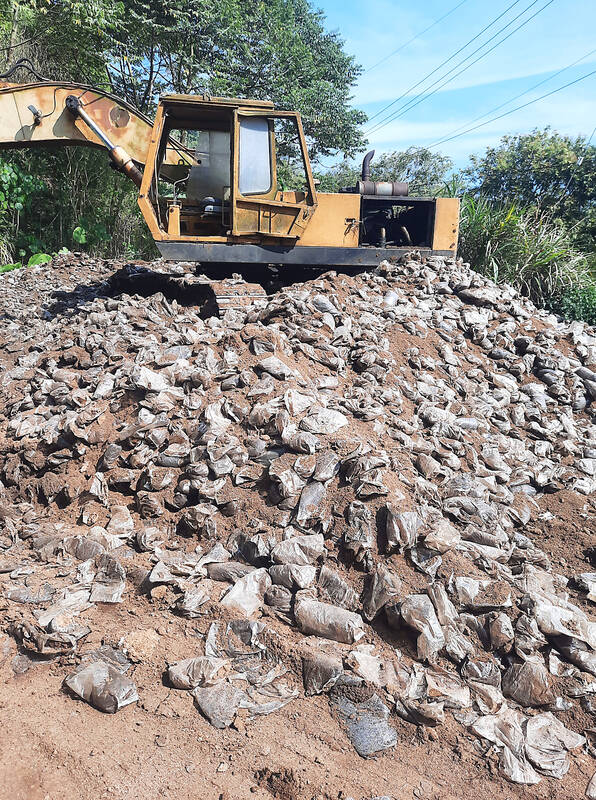
Photo: Steven Crook
2024 earthquake devastated its number-one attraction, Taroko Gorge (太魯閣).
The biggest increases in ridership weren’t in densely populated places like Hsinchu or Kaohsiung, but in Pingtung (up by 20.56 percent), Miaoli (25.92 percent) and Yunlin (42.87 percent). On July 18 last year, Storm Media reported that tens of thousands of commuters in Yunlin have switched from cars and motorcycles to buses and trains since the local TPASS was launched in late 2023. The county government can’t take much of the credit for this national initiative, however, as it’s underpinned by hefty financial support from the central government.
Chiayi County was the only area to post a decline in per capita electricity consumption between 2023 and 2024 (chart no. 4), but this is another variable over which local politicians have little year-to-year influence. What’s more, an increase in electricity usage could in fact be a positive sign, if it’s a consequence of people swapping gasoline-burning vehicles for EVs.
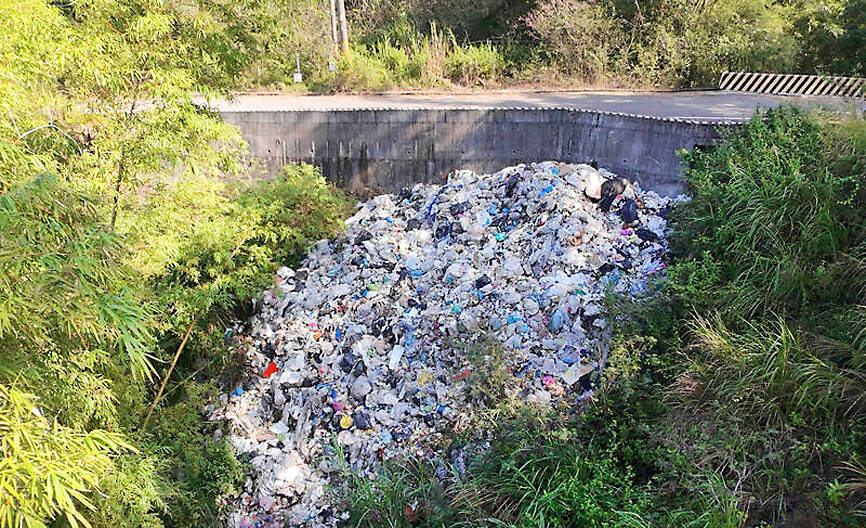
Photo: Lee Hui-chou, Taipei Times
It’s not clear from the report whether illegal land clearance (which often involves felling trees so crops can be grown) is a more serious problem in Yunlin County than elsewhere, or if those who attempt it there are more likely to be caught. In 2024, the county handled 354 cases, twice as many as the other nine reporting governments combined (chart no. 28).
Miaoli resolved six times as many cases of illegal discharge of pollutants as any other local government (chart no. 8). TEPU praised the county’s government for its “commendable proactive crackdown.”
When it comes to taking action against factories operating illegally on agricultural land (chart no. 30), there are huge differences from one jurisdiction to another. Kaohsiung dealt with 895 cases, Chiayi with 239 and Changhua with 233. Hualien and Kinmen both recorded zero cases in 2024; their figures may actually better reflect reality than the single case reported in Pingtung.
COMPLAINTS
Chart no. 7, which compares the volume of environmental complaints, isn’t much use. Because the 10 local governments vary so greatly in population, calculating complaint volume per 1,000 residents would be an improvement, and would show that Hualien folks are two-and-a-half times more likely to make a report than people in Kaohsiung. This doesn’t mean, of course, that environmental violations are more common in the east. People there may have more confidence in the local authorities, or — as discussed recently in this column (see “Overcoming the gulf between good intentions and action” Dec. 24, 2025) — there may be a greater awareness of reporting mechanisms.
For chart no. 7, as with several other charts in the report, some analysis of trends would add a great deal of value. Has the number of complaints increased or decreased? And what percentage of cases are resolved to the satisfaction of the complainant?
Chart no. 22 is similarly flawed. Knowing how many people have been assigned to water-quality maintenance tasks doesn’t tell us much if we don’t know the length of the waterways they cover or the potential threats, which could be anything from pig farms to papermaking plants. Chart no. 23 compares budgets for water-quality preservation and indicates that Pingtung spends nearly 10 times more than Hualien, even though the latter covers a much greater area. “Hualien County and Kaohsiung City have serious river pollution and their budgets could be increased,” TEPU notes in its report.
Despite the assessment’s gaps, by shining a spotlight on Taiwan’s cities and counties, TEPU is doing meaningful work. Expressing regret that so many local governments opted to sit out the most recent evaluation, the NGO says it’ll “continue to communicate with counties and cities, hoping to change the negative attitudes of some [and] encourage them to view the oversight of non-governmental environmental groups positively. Our efforts will not cease.”
Steven Crook, the author or co-author of four books about Taiwan, has been following environmental issues since he arrived in the country in 1991. He drives a hybrid and carries his own chopsticks. The views expressed here are his own.

The comical bit of parachute journalism by Simon Shuster in the Atlantic last week under the title “Will Taiwan Just Give Up?”, drew much attention for its numerous minor errors, largely forgivable, its total lack of understanding of Taiwan and its history and its strange, pro-China interpretations, including taking Chinese Nationalist Party (KMT) Chairwoman Cheng Li-wun (鄭麗文) seriously. The laughter and indignation that essay generated among Taiwan aficionados is an indicator of how far Western journalism on Taiwan has come. Twenty years ago, it would have been another piece for the pile. Today, it is an obvious outlier. Shuster’s piece was
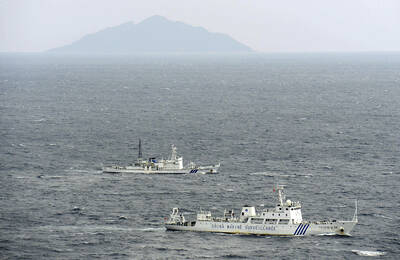
For a small nation, Taiwan has an unusually long list of territorial disputes. In part or in whole, it has disputes over the Spratly Islands (Nansha Islands, 南沙群島) with Vietnam, the Philippines, Malaysia and Brunei. It also has another territorial dispute with Vietnam over the Paracel Islands, and with Japan over the Senkaku Islands (Diaoyutai Islands, 釣魚台). Of course, the biggest territorial disputes are with the People’s Republic of China (PRC), which not only claims all of the above, but also Pratas Island (Dongsha, 東沙島), Kinmen, Penghu and all of Taiwan itself. This creates considerable headaches politically for the government, especially
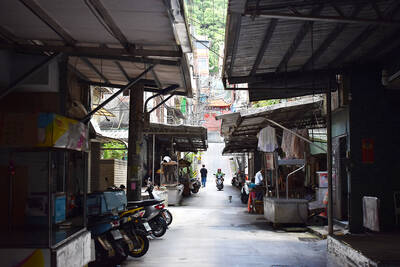
Sept 14 to Sept 20 Hwang Tae-im’s in-laws were among the many Korean families that congregated in Keelung after World War II, hoping to board a ship home. Japanese colonial rule had ended in both Korea and Taiwan, and many Koreans were eager to return to their newly-liberated homeland. Around 3,000 Koreans were recorded living in Taiwan in 1943, with Keelung hosting the largest population at 612. However, only one ship arrived to repatriate civilians, leaving many, including Hwang’s in-laws, stranded in Keelung. When the Korean War broke out in 1950, they gave up going home and settled in Keelung’s
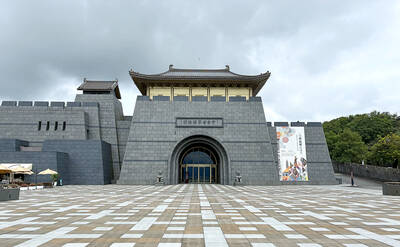
The one-day trip begins at the geographical center of Taiwan: Puli Township’s (埔里) Hutou Mountain Geographic Center of Taiwan Monument (臺灣地理中心碑), embedded at the foot of Nantou County’s dense forested slopes. It sits entrenched in forest vegetation amid the tall, spindly bodies and spiky heads of the betel nut trees; the air is cool, and its surroundings are mostly silent save the sounds of late-season cicadas. Roughly two minutes from the first destination, and after a bend in Yongfeng Road (永豐路), there’s a glimpse of a resplendent golden dome on the horizon. It’s the cap of the 135m-tall main building of the


 RSS
RSS