


When a photo of a wall covered in lush green foliage showed up on Grace Clarke’s Instagram feed, she felt an immediate urge to track it down. Stressed out and headed to a meeting at Madewell, where she works as a social media copy editor, Clarke saw that the wall’s location was on East Eighth Street in Manhattan at a meditation studio called MNDFL, which opened in November.
The next morning, Clarke, 29, went to the studio and spent 30 minutes in a meditation class led by Lodro Rinzler, one of MNDFL’s founders. Since that session in December, Clarke has attended classes nearly every other day, often early in the morning, before work.
“Having a place with a stripped-down aesthetic and a menu of classes makes it feel very approachable and promotes a sense of calm amid the craziness,” she said. “It’s a time-efficient way to quiet my mind so I can think more thoughtfully in life and work.”
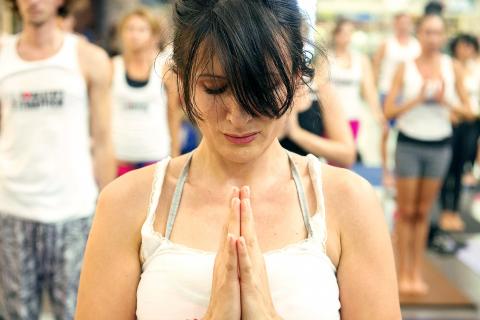
Photo: EPA/Shiraaz Mohamed
With increasing attention being paid to the physical and emotional benefits of meditation — lowered levels of stress and anxiety, an improved immune system, better sleep and a drop in blood pressure, to name a few — the practice is finding new adherents in New York City. As meditation studios like MNDFL and Unplug are opening, classes and events are also being held in public parks, art museums, hotels and branches of the New York City Public Library.
RELIEVING STRESS
Meditation has been around for more than 2,500 years, but it has taken a secular approach and scientific research — not to mention added publicity from technology companies like Google and Apple, which encourage employees to meditate — to reintroduce it into popular culture. But can meditation, and its cousin, “mindfulness,” become staples of urban life the way that yoga, a rarity until the early 1990s, has become a widespread activity?
Learning to focus on the breath, the sounds of a Tibetan singing bowl or the loving kindness in your heart may not be for everyone, but given its numerous benefits, more New Yorkers are deciding that meditation seems worth a try.
“The secular approach to meditation is opening a lot of doors right now when it comes to brain health and stress relief,” said Dawn Eshelman, head of performing arts at the Rubin Museum of Art, where she has been involved in starting meditation sessions. “That’s something a lot of people can understand and relate to. And who wouldn’t want less stress in their lives?”
Sharon Salzberg, a meditation teacher with 45 years of experience and the author of the best-selling book Real Happiness, said: “There’s been a whole secularization of the movement, and you now hear about it in a medical context and as stress reduction more than anything, like the mental gym. It can be off-putting to walk into a room with statues that you may not be able to relate to. So why not create that environment where people can drop things that are causing them stress, and do it in a contemporary way that doesn’t freak people out? It meets a lot of needs.”
SLOWING DOWN
For many, meditation studios and classes have become a way to slow down, something many New Yorkers crave in this era of constant connection.
“People’s phones are making them bananas,” said Dina Kaplan, founder of the Path, which offers weekly meditation gatherings at the Standard hotel in the East Village and a monthly event that pops up at different venues. “There are lots of ways to make your body beautiful, but if you want to make your mind function better and find meaning in your life, meditation is the best way.”
The cozy, contemporary lounge area at MNDFL fills up before and after each class with people hanging out and sipping tea. Ethan Herschenfeld, a 47-year-old actor and opera singer, took his first meditation class in December and has since gone to classes almost daily, experimenting with MNDFL’s varied offerings (Breath, Mantra and Heart, for example), which are each based on a different tradition.
“Meditation brings me serenity and helps me deal with the things that are out of my control,” he said.
All sorts of people are finding themselves sitting together.
“Our customer is everyone, because there is an investment banker sitting next to a tree hugger next to a doctor next to a stressed-out mom,” said Suze Yalof Schwartz, owner of Unplug, which is based in Los Angeles and is expected to open a New York location this year. “I see how people feel better after coming to the studio one time, and the more they come the more I see their attitude toward life changing.”
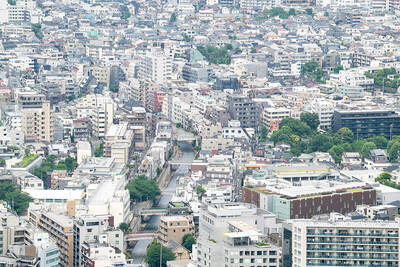
The canonical shot of an East Asian city is a night skyline studded with towering apartment and office buildings, bright with neon and plastic signage, a landscape of energy and modernity. Another classic image is the same city seen from above, in which identical apartment towers march across the city, spilling out over nearby geography, like stylized soldiers colonizing new territory in a board game. Densely populated dynamic conurbations of money, technological innovation and convenience, it is hard to see the cities of East Asia as what they truly are: necropolises. Why is this? The East Asian development model, with
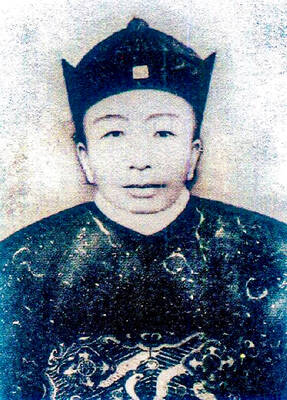
June 16 to June 22 The following flyer appeared on the streets of Hsinchu on June 12, 1895: “Taipei has already fallen to the Japanese barbarians, who have brought great misery to our land and people. We heard that the Japanese occupiers will tax our gardens, our houses, our bodies, and even our chickens, dogs, cows and pigs. They wear their hair wild, carve their teeth, tattoo their foreheads, wear strange clothes and speak a strange language. How can we be ruled by such people?” Posted by civilian militia leader Wu Tang-hsing (吳湯興), it was a call to arms to retake

This is a deeply unsettling period in Taiwan. Uncertainties are everywhere while everyone waits for a small army of other shoes to drop on nearly every front. During challenging times, interesting political changes can happen, yet all three major political parties are beset with scandals, strife and self-inflicted wounds. As the ruling party, the Democratic Progressive Party (DPP) is held accountable for not only the challenges to the party, but also the nation. Taiwan is geopolitically and economically under threat. Domestically, the administration is under siege by the opposition-controlled legislature and growing discontent with what opponents characterize as arrogant, autocratic

Desperate dads meet in car parks to exchange packets; exhausted parents slip it into their kids’ drinks; families wait months for prescriptions buy it “off label.” But is it worth the risk? “The first time I gave him a gummy, I thought, ‘Oh my God, have I killed him?’ He just passed out in front of the TV. That never happens.” Jen remembers giving her son, David, six, melatonin to help him sleep. She got them from a friend, a pediatrician who gave them to her own child. “It was sort of hilarious. She had half a tub of gummies,


 RSS
RSS