


Glazes are an integral part of the beauty of ceramic work. The Yingko Ceramics Museum (
Underglazing is the most traditional of the techniques used by potters in Yingko. In this technique, the clay is painted with colors, then coated with a layer of transparent glaze, and finally sent into the kiln for firing at a temperature of about 1,300 degrees Celsius.
A more complex method is the use of overglaze, in which vessels are coated with a layer of transparent glaze, sent for firing and taken out for painting. After the coloring and painting, they undergo a second firing. This process is capable of producing more extravagant designs and is often used for traditional motifs with flowers and birds.
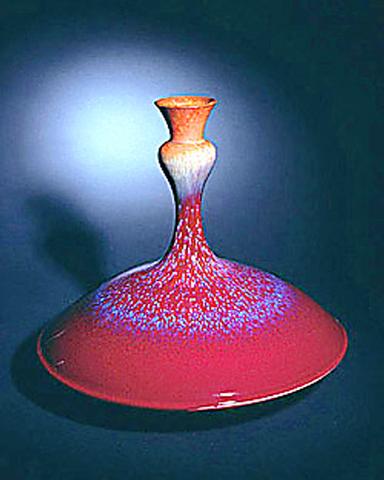
PHOTO COURTESY OF YCM
In the past, the kilns of the Yingko region produced many vessels based on traditional designs of the imperial era, which were sometimes even passed off as genuine antiques.
As part of the current exhibition, the work of Hsu Chao-tsung (許朝宗), as seen in Bottle with Auspicious Animals, and Lin Ming-ti's (林明體) Big Bowl in Copper Red (釉袖紅大碗) still retain the classic, stately feel of court ceramics from the imperial era. Favoring underglazing techniques, and operating out of commercial workshops producing high quality reproductions of antiques, their work represents a traditional vein in Yingko's development.
The market for Yingko's imitations of ancient porcelain gradually fell off toward the end of the 1980s, but research on new glazes and designs has begun to influence local artists, who are using it to revitalize the age-old ceramic tradition of Yingko. The exhibition has two halls dedicated to works using crystal glaze and colored glaze, the fruits of modern artists who have gone beyond traditional glazes and designs.
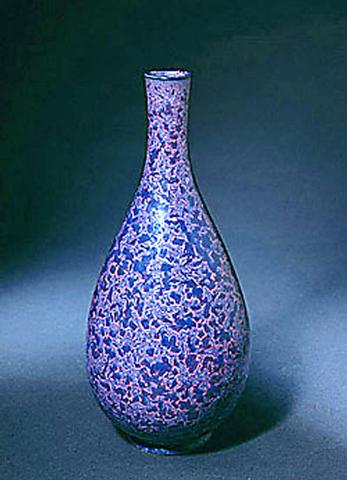
PHOTO COURTESY OF YCM
Walking around Yingko, particularly the Old Street area, you will see tiny vases of crystal glaze selling for NT$100 a pair at many pottery shops. They are usually monochrome, with the design picked out in a crystalline glaze. This technique was developed by artist Sun Chao (孫超) in the 1980s, and is much imitated by workshops in Yingko. The exhibition showcases the real potential of crystal glaze techniques, which goes well beyond these simple souvenir works.
The key to producing crystallized patterns that look like flowers or butterflies is the addition of metallic oxides to the glaze, and the use of a three-stage firing process. Different metal oxides bring out crystals of different patterns. Ceramist Peng Wen-hsiung (
The selection on display chose from among 250 submitted works, and offers much more in terms of quality and quantity than the products displayed on nearby Old Street. Because of the quality of the displays, the museum has enjoyed over 470,000 visits since it opened its doors last November.
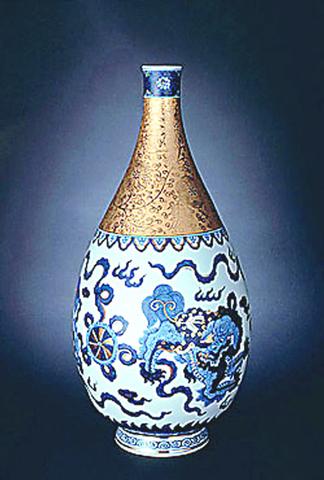
PHOTO COURTESY OF YCM
What: The Beauty of Glazes in Yingko Ceramics (
When: Until Oct. 10
Where: Taipei County Yingko Ceramics Museum (
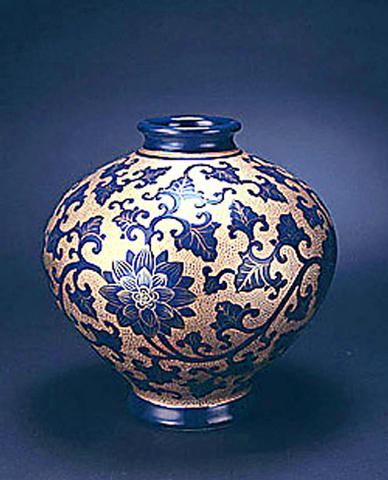
PHOTO COURTESY OF YCM
On Aug. 18, between 3pm and 8pm, the museum will hold a workshop for the making of underglaze mugs in honor of Chinese Valentines Day. Call 02-8677-2727 ext. 710 for more information. On the five following Saturdays, Aug. 25, Sept. 1, 8, 15, 22 between 9am and 5pm, the museum will offer tours of Yingko's many kilns, which will include lunch at the museum and a gift of a ceramic dining setting. There will also be a chance to mold your own pottery. Cost: NT$990 per person, call 2679-6166 or 2670-5800 for registration.
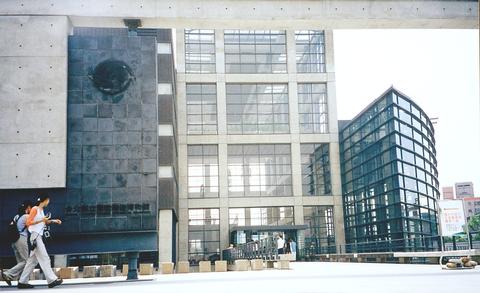
PHOTO: CHANG JU-PING, TAIPEI TIMES
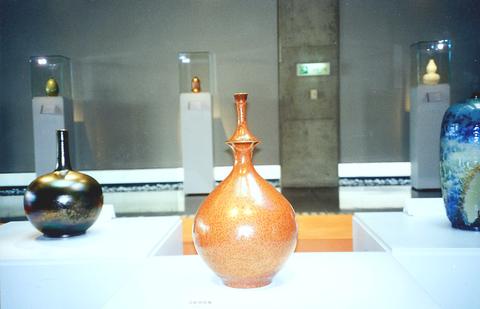
PHOTO: CHANG JU-PING, TAIPEI TIMES
Ajay Verma, a consultant gastroenterologist at Kettering general hospital in Northamptonshire, says our gut is a “complex machine.” “It is constantly providing us with the nutrition we need, initially to grow and develop, and then for us to survive, thrive and repair from injury and illness.” How can we keep it functioning well? Put simply: “Make sure what you put into it is balanced, and that you clear out its waste products adequately,” Verma says. “In a general gastroenterology clinic, the most common conditions we see are irritable bowel syndrome (IBS), gastroesophageal reflux disease, inflammatory bowel disease and constipation,” says Nisha
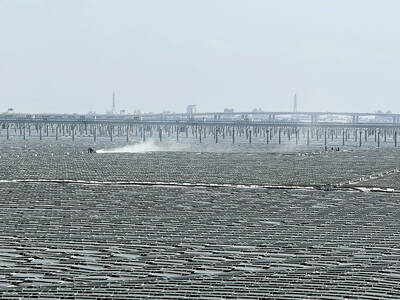
The arithmetic is straightforward and uncomfortable. By the end of 2025, Taiwan had committed itself to a 50-30-20 electricity mix — half natural gas, 30 per cent coal, 20 per cent renewables. The Ministry of Economic Affairs’s (MOEA) own monthly energy reports tell a different story. Natural gas reached 47.8 per cent of generation last year. Coal stood at 35.4 per cent, comfortably above its target ceiling. Renewables came in at 13.1 per cent, well short of the 20 per cent Taipei had pledged a decade earlier. Installed renewable capacity reached roughly half of the 12 gigawatts (GW) the government

There are shadowy cabals plotting to sell out Taiwan to be annexed by China, by invasion if necessary. Fortunately, they are buffoons. In 2019, former Bamboo Union gangster and founder of the China Unification Promotion Party (CUPP), Chang An-le (張安樂, colorfully known as “White Wolf”), led a protest at the Legislative Yuan against comments made by then-premier Su Tseng-chang (蘇貞昌) that in the event of an attack by China, he would never surrender, but would protect the nation by fighting to the end, even if he only had a broom. Chang had party members bring a wooden casket that they

Taiwan’s drone exports are taking off, fuelled by the war in Ukraine, as Taiwanese companies seek a stake in the fast-growing global market for unmanned aerial vehicles (UAV). Low-cost drones used for reconnaissance and strikes are in high demand as governments around the world boost defense spending in the face of intensifying conflicts. A relative new player in the increasingly competitive industry, Taiwan’s pitch is to be an “Asian hub” for the production of UAVs and components free of Chinese materials, or “non-red.” That means its UAVs can be up to three times more expensive than their Chinese competitors, like the world’s biggest


 RSS
RSS