


Shell PLC maintained the pace of its share buybacks even as profit dropped by more than expected and net debt rose due to weaker trading amid lower oil prices.
Shell chief executive officer Wael Sawan partly attributed the under-performance to the expiry of some liquefied natural gas hedging contracts, something that affects profit but not cash flow. Shell’s cash generation was strong and the company had a "tremendous year," he said in an interview with Bloomberg TV yesterday.
London-based Shell is the first oil and gas major to report fourth-quarter earnings, which are expected to be weaker across the board for an industry that has been buffeted by faltering demand and gloomy forecasts.
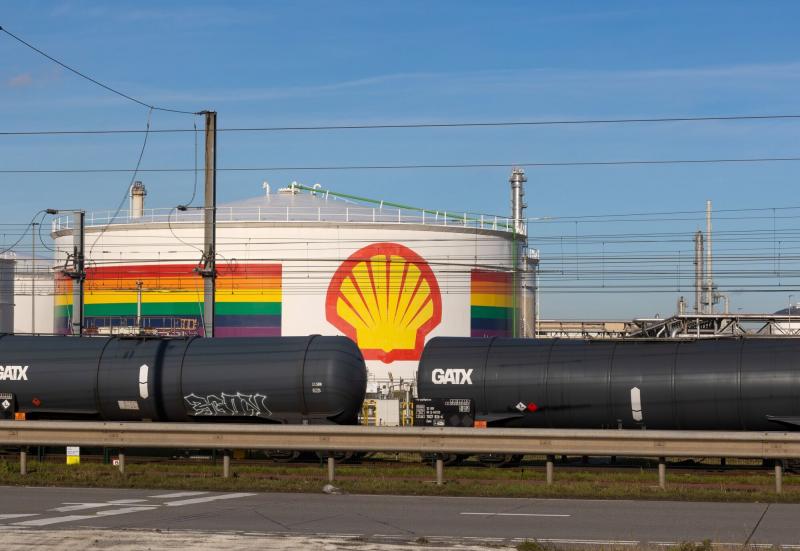
Photo: Peter Boer, Bloomberg
Shell continued its buybacks at a pace of US$3.5 billion a quarter and raised its dividend by 4 percent, as expected. Most of its peers are also predicted to maintain investor returns, covering any shortfall in their free cash flow with fresh borrowing. BP PLC might be the exception, having warned last year that buybacks could be cut.
Shell’s adjusted net income for the period was US$3.66 billion, down from US$7.31 billion a year earlier, according to a statement. That missed the average analyst estimate of US$4.36 billion.
The miss was a result of a broadly weaker performance across multiple parts of the energy giant’s global business. The company cited higher exploration write-offs, lower margins from crude and oil products trading, and weaker liquefied natural gas trading.
The company's profit miss reflected "a larger loss than expected in chemicals, and weaker oil trading," RBC Capital Markets analyst Biraj Borkhataria said in a note.
"Strong cash generation" was a bright spot in what were otherwise "relatively soft earnings," he added.
Shell's cash flow from operations was US$13.16 billion for the period, almost US$2 billion more than expected.
Sawan said Shell has completed "the 13th consecutive quarter of at least US$3 billion of buybacks."
Net debt rose to US$38.81 billion, up from US$35.23 billion in the prior period, although still low by historical standards.
Capital expenditure came in at US$21.08 billion last year, below the company’s prediction of US$22 billion. Pausing a biofuels project in Rotterdam helped to attain this level, chief financial officer Sinead Gorman said on a call with reporters.
Shell will keep a lid on spending, which is key to maintaining the resilience of the company in what is likely to be "a year of uncertainty and volatility," Sawan said.
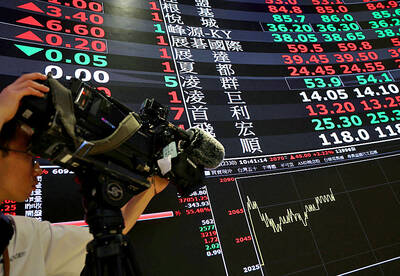
After several years flying high as Asia’s best Nvidia Corp proxy, Taiwan Semiconductor Manufacturing Co (TSMC, 台積電) is increasingly vying with other artificial intelligence (AI) stocks for investor attention. Stock traders are chasing a wider array of beneficiaries as mainstream usage of AI creates demand for hardware beyond the most-advanced chips TSMC makes for Nvidia. Subthemes from the deepening memory crunch to advances in robotics are also luring bids. At the same time, investment caps on single stocks are pushing funds to diversify, while retail investors long familiar with TSMC through its US depositary receipts are being offered a broader set of
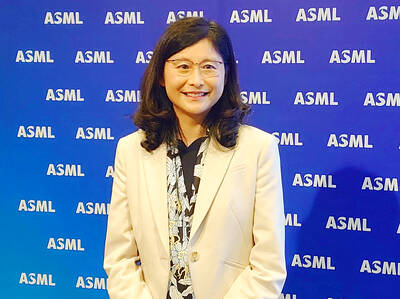
Netherlands-based semiconductor equipment supplier ASML Holding NV yesterday said that it is planning to hire an additional 1,000 people in Taiwan this year in response to growing demand from clients. ASML had previously planned to recruit 600 people this year, but that the plan has been adjusted upward, ASML vice president and ASML Taiwan general manager Grace Wang (汪佳慧) told reporters. ASML has a workforce of more than 4,500 in Taiwan, accounting for about 10 percent of its global total, Wang said. This year’s recruitment campaign would focus on adding people in the customer support, manufacturing and supply chain domains to assist ASML
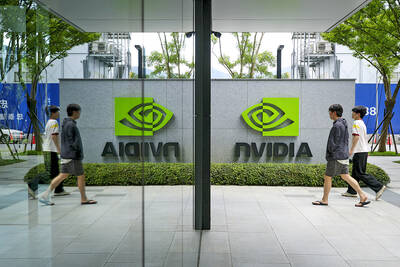
UNDER MICROSCOPE: Taiwan detained three people who allegedly conspired to buy servers in Taiwan and export them using fraudulent documentation, prosecutors said Nvidia Corp chief executive officer Jensen Huang (黃仁勳) on Saturday urged Super Micro Computer Inc to tighten up on compliance after Taiwan detained three people this week for allegedly making fraudulent declarations about artificial intelligence (AI) servers made by its US partner. The development marked the nation’s first crackdown on semiconductor smuggling, which grew after the US slapped restrictions on exports of high-end chips such as Nvidia AI accelerators to China. Nvidia is “rigorous” in explaining regulations to all of its partners, Huang told reporters after arriving in Taipei. “Ultimately Super Micro has to run their own company,” he said in response to

Nvidia Corp yesterday announced that CEO Jensen Huang (黃仁勳) would attend an employee meeting in Taipei tomorrow to celebrate the launch of the company’s Taiwan headquarters project. Huang would attend a gathering at the site of Nvidia’s planned headquarters in Beitou Shilin Technology Park (北投士林科技園區), the company said in a statement. After arriving in Taiwan on Saturday last week, Huang told reporters that he plans to meet with Quanta Computer Inc (廣達) chairman Barry Lam (林百里) and Taiwan Semiconductor Manufacturing Co (TSMC, 台積電) chairman C.C. Wei (魏哲家), and would attend the groundbreaking ceremony for Nvidia’s Taiwan headquarters tomorrow. Nvidia has not yet applied


 RSS
RSS